
Reading time: about 4 minutes
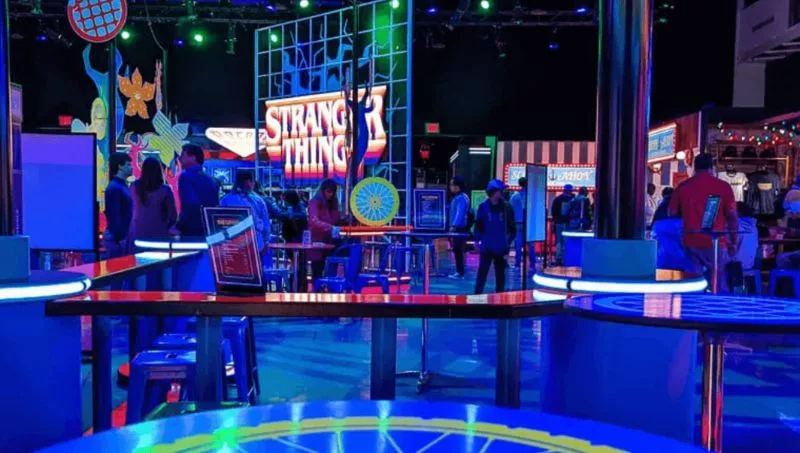
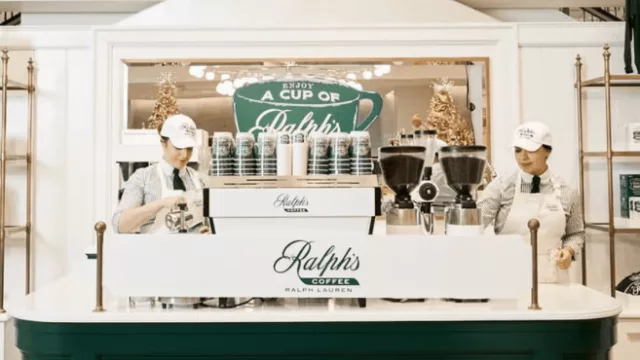
All the brands, without exclusivity: top toy brands, sneakers, fast food, non-alcoholic beverages, cosmetics, luxury apparel, home decor, coffee, snacks, sweets, chocolates, cookies, streetwear, technology, camping, gadgets, jewelry, watches, leather goods, books, boutiques, perfumes—and yes, bicycles, hotel limited editions, retail, cars, and more—are developing experiences, limited editions, events, activations, thematic bars, alongside Stranger Things. Welcome to the new, expanded Crossing Marketing, Brand Thematic Universe.

Do you already have your own Chief Culture Officer—your super Head of Culture—ready to design the same for your product or service brand, now a universe to be developed?
-
When Reed Hastings and Marc Randolph founded Netflix in 1997, it would have been hard to imagine that a show about teens facing interdimensional monsters would become the definitive paradigm for what marketing scholars call the “transmedia storytelling ecosystem,” also framed as the new Crossing Marketing, Head of Culture, and Brand Thematic Universe. Stranger Things isn’t merely audiovisual content: it’s a cultural-synchronization phenomenon that has generated more than $500 million in licensed products and rewritten the rules of brand engagement in the streaming era, all within 2025 alone.
The Final Gate: How Stranger Things Redefined Product Placement and Created an Unprecedented Brand Ecosystem
-
Exactly hours before the premiere of its final season — structured as a three-part narrative arc: November 26, December 25, and the apocalyptic finale of December 31, 2025 — the universe created by the Duffer brothers has metamorphosed into what MIT’s Henry Jenkins calls “convergence culture”: a space where the boundaries between product, narrative, and experience fully dissolve.
The Anatomy of a Phenomenon: When Numbers Speak the Language of Disruption
-
Parrot Analytics data reveal an indisputable truth: Stranger Things commands demand levels 87% higher than the streaming-series average. But these numbers, impressive as they are, barely scratch the surface of its true impact. Season 4 detonated 1.35 billion hours watched in its first four weeks — more viewing time than the nominal GDP of nations devoted to a single narrative. The extraordinary thing isn’t popularity per se, but how this show has catalyzed what Douglas Holt, author of How Brands Become Icons, terms “cultural branding”: the ability of a property to become the repository of collective anxieties, desires, and nostalgia.
The Nostalgia Renaissance: Neuroeconomics of Commercial Nostalgia
-
Since its 2016 debut, Stranger Things has conducted an unprecedented emotional archaeology. The Duffer brothers didn’t simply recreate the eighties; they recalibrated our collective memory of that decade, inserting their narrative into the gaps of our nostalgia. Neuroscience explains this with surgical precision: when we feel nostalgia, our brains release dopamine and oxytocin simultaneously, creating a neurochemical cocktail that pairs pleasure with security. Brands aligned with Stranger Things aren’t selling products; they’re marketing emotional states, vectors of generational belonging.

The Brand Ecosystem: A Dissection of an Omnichannel Strategy
-
Chips Ahoy Chewy: The Gamification of Snacking
The Chips Ahoy collaboration goes beyond mere co-branding. Its chocolate cookie with a red strawberry-flavored center — evoking the Upside Down fractures — features a QR code that unlocks “Rescue Happiness,” an ARG (Alternate Reality Game) that turns passive consumption into active participation. This is the practical application of what game designer Jane McGonigal, author of Reality Is Broken, describes as “engagement architectures”: structures that turn users into protagonists.
-
Doritos Black Garlic Dip: Aesthetics as a Selling Point
Doritos UK’s black garlic dip embodies a masterclass in “dark aesthetics marketing.” Its deep black hue is not accidental; it’s meticulously designed to resonate with the Upside Down’s sinister atmosphere. As Virginia Postrel notes in The Substance of Style, in the experience economy aesthetics are not superficial: they are functional.
-
Kellogg’s Demogorgon Crunch: Morning Merchandising
Kellogg’s cereal with waffle-shaped pieces and themed marshmallows exploits what anthropologist Grant McCracken calls “meaning transfer”: objects carrying cultural meaning. Every spoonful becomes a ritual of belonging to the fan tribe.
-
Chupa Chups: The Synesthesia of Narrative Flavor
With nine unique flavors tied to specific characters, Chupa Chups Spain executed a “character-driven product development” strategy. This isn’t just a lollipop: it’s a sensory experience that lets consumers “taste” the personality of their favorite characters, a form of parasocial intimacy made tangible.
-
Gatorade Upside Down: Performance and Fiction
The reintroduction of Citrus Cooler Edition 1987 alongside the new Upside Down Citrus Cooler in blue-violet tones represents what sociologist Zygmunt Bauman would call “liquid modernity merchandising”: products that exist simultaneously across multiple temporalities, blending past (1987), present (functional hydration), and future (the Upside Down world aesthetic).
-
Culture Fly’s Demogorgon Popcorn Bucket: The Scarce Object of Desire
The 30 cm vinyl-and-metal popcorn bucket, sold out in pre-orders, is not just a container: it is what economist Thorstein Veblen would call “conspicuous consumption” — ostentatious display — where possession signals status within the fan community.
The Engineering of the Farewell: Monetizing the Ending
-
What’s truly disruptive about this wave of collaborations is their strategic timing. Netflix and its commercial partners have grasped something fundamental: endings carry exponential commercial value. As Derek Thompson explains in Hit Makers, narrative closures generate “anticipatory nostalgia” — an emotional state where consumers experience future loss in the present, maximizing purchase urgency. The three-part final-season rollout isn’t accidental: it fragments collective mourning into three monetizable moments, extending the engagement cycle and multiplying brand-activation opportunities.
Implications for the Future of Brand Storytelling
-
Stranger Things has set the blueprint for what we might call “IP-centric commerce”: entire economies built around specific intellectual properties. According to Variety, this franchise has generated a commercial ecosystem that rivals traditional cinematic franchises, but with a crucial advantage: serialized format intimacy creates deeper, more sustained emotional bonds. Brands participating in this ecosystem aren’t advertising; they’re co-creating culture. As Grant McCracken states in Chief Culture Officer, XXI‑century companies don’t sell to culture: they converse with it, shape it, and share it.
The Tangible Legacy of the Intangible
-
When the final episode airs on December 31, 2025, Stranger Things will have achieved something extraordinary: transforming a fictional narrative into real commercial infrastructure. Every product, every collaboration, every limited edition is an artifact that extends the series beyond its narrative conclusion. This is more than marketing; it’s memorial engineering. Brands aren’t selling Stranger Things‑related products; they’re selling the possibility of keeping a shared experience alive, materializing the inmaterial, making the Upside Down tangible.

At the intersection of entertainment, commerce, and culture, Stranger Things has proven that the real monster isn’t hiding in alternate dimensions, but in our unlimited capacity to turn emotions into economies. And that, perhaps, is the most jaw‑dropping — and fascinating — lesson of all.
To be continued tomorrow…
Read Smart, Be Smarter!
Infonegocios Miami: a publication written by the Anglolatina business community.
Follow for more analysis: @InfonegociosMiami
https://infonegocios.miami/suscribite-al-newsletter
Contact: [email protected]
Infonegocios NETWORK: 4.5 million Anglo‑Latinos united by a passion for business.
Join us and stay informed.
Infonegocios Miami—Economic, Cultural, and Business Intelligence with a Global Lens
Follow for more analysis: @InfonegociosMiami
© 2025 Infonegocios Miami.






Tu opinión enriquece este artículo: