
Market opening, tariff elimination, and intellectual property protection will spur investment
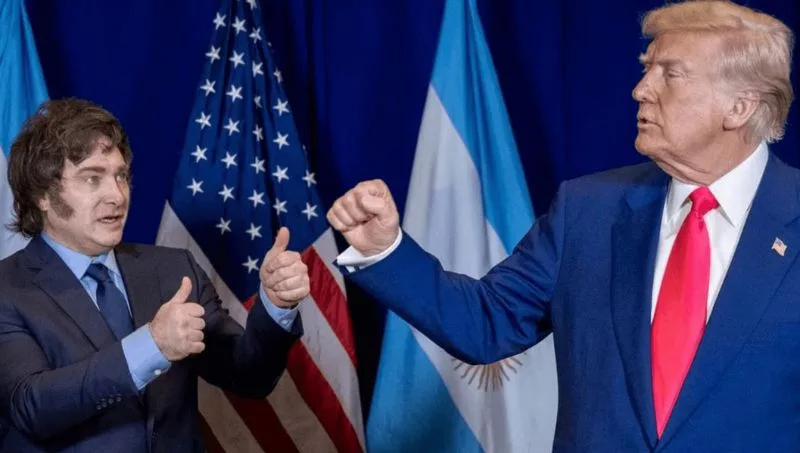
In what could be one of the most significant economic agreements in recent decades, Argentina and the United States announced a framework for reciprocal trade liberalization that will benefit both nations in strategic sectors. While final details are expected in the coming weeks, the understanding already outlines substantial changes in tariffs, intellectual property protection, and environmental and labor regulations.
This agreement not only facilitates bilateral trade; it also redefines Argentina’s role in the global economy: from a protectionist country to a trusted partner that adheres to international rules.
If implemented with transparency and strategic vision, it could mark a turning point for foreign investment and sustainable growth in the region.

Pillars of the agreement:
Reciprocal market opening
Argentina will reduce tariffs for certain U.S. imports, including:
-
Pharmaceuticals
-
Agricultural machinery
-
Technology and information technology
-
Automotive engines
-
Agricultural products
The United States will eliminate tariffs for:
-
Strategic minerals (lithium, copper, gold)
-
Gas and other natural resources
-
Primary Argentine products
Tariff reviews for steel and aluminum
Both parties will work in the coming months to adjust tariffs under Section 232, crucial for Argentina’s metal industry.
Intellectual property (IP) recognition
Argentina commits to respecting patents for medicines and biotechnology, a fundamental step to:
-
Attract high-tech investments
-
Move away from the perception of copying innovations
-
Integrate into global trade “through the front door”
Social and environmental commitments
-
Combating labor exploitation: both countries will block imports from nations that do not respect international labor rights
-
Environmental protection: cooperation to combat illegal logging and promote sustainable practices
Expected impact:
For Argentina:
-
Access to modern technology and machinery at lower cost
-
Attraction of investments in high-value-added sectors
-
Positioning as a reliable supplier of minerals and energy
For the United States:
-
Secured supply of critical resources (lithium, copper)
-
Expanded market for pharmaceuticals and technology products
-
Strengthened ethical and sustainable supply chains
Next steps:
The announcement provides a framework only. Technical teams from both countries will work in the coming months to define:
-
Exact lists of affected products (tariff nomenclature)
-
Specific tariff reduction percentages
-
Verification mechanisms for labor and environmental standards
Infonegocios Miami: a business-oriented publication for the Anglo-Latin community.
Follow us for more analysis: @InfonegociosMiami
Read Smart, Be Smarter.
Infonegocios Miami—Economic, Cultural, and Business Intelligence with a Global Lens

Read Smart, Be Smarter!
https://infonegocios.miami/suscribite-al-newsletter
Contact: [email protected]
Infonegocios NETWORK: 4.5 million Anglo-Latinos united by a passion for business.
Join us and stay informed
© 2025 Infonegocios Miami.











Tu opinión enriquece este artículo: