
Election night last Tuesday was a spectacle that kept millions of Americans and Latin Americans on edge. Against the backdrop of a pandemic that has reconfigured daily life, Kamala Harris, the Democratic vice president, emerged as a historic figure, aspiring to be the first woman president of the United States. Meanwhile, Donald Trump, the former Republican president, sought to reclaim power after four years of opposition. The result of this contest not only affects the United States but also resonates throughout Latin America, where the political implications are deeply felt.

Trump secured at least 292 electoral votes (he needed 270) according to official data, against 224 for the current vice president.

Summary and Tips
Summary: This article analyzes the election results in the seven key states that defined the contest between Donald Trump and Kamala Harris. It explores voting trends, factors that influenced the results, and future implications for both candidates and the country.
The Importance of the Seven Key States
“In this election, the seven ‘swing’ states became the decisive battleground,” explained a political analyst. These states, which include Pennsylvania, Wisconsin, Michigan, Georgia, North Carolina, Arizona, and Nevada, are critical because their voting can vary from one election to another, influenced by socioeconomic and demographic factors.
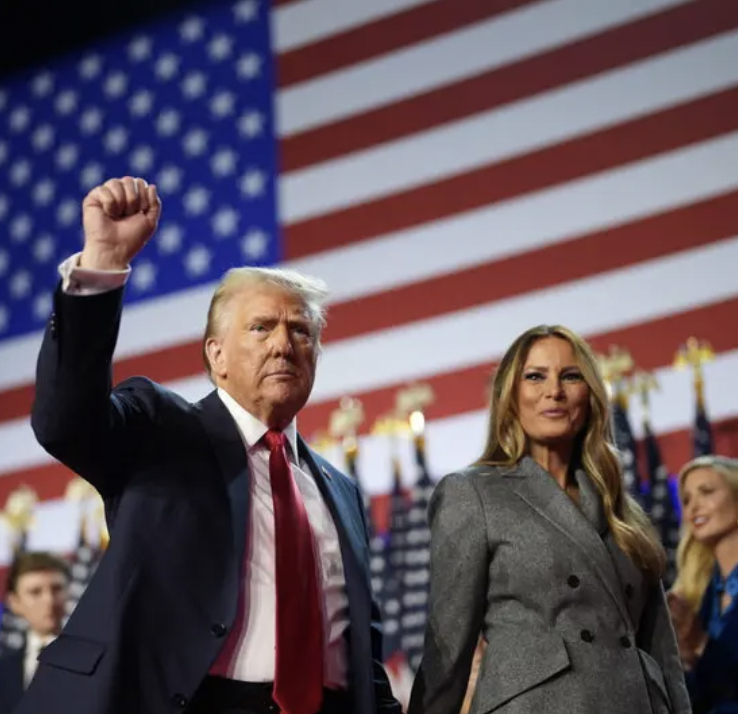

Pennsylvania: The Electoral Treasure
Pennsylvania, with 19 electoral votes, was one of the most coveted states. “The difference in this state was minimal, making it a true battleground,” stated a campaign strategist. Harris started leading with 68 votes to 31, but as the counting progressed, the situation became more uncertain.
Wisconsin and Michigan: Changing Strongholds
Wisconsin and Michigan are two states that have historically been Democratic strongholds. “Deindustrialization and demographic changes have led to greater competitiveness,” commented a sociologist. These states, which Trump won in 2016, are crucial for any candidate seeking the presidency.
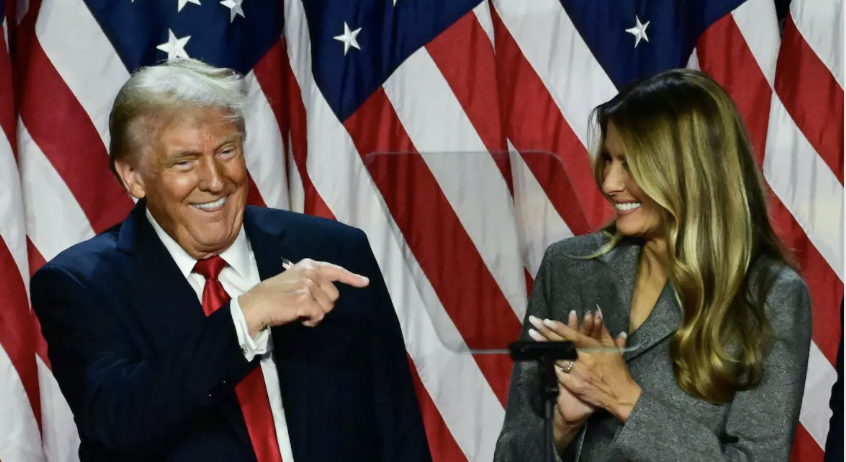
Trump's Strategy
Donald Trump, known for his direct and controversial approach, focused on the economy and immigration as key pillars of his campaign. “Trump’s rhetoric resonated with an electorate that feels forgotten,” said a political marketing expert. However, his rhetoric also polarized many, which may have affected his performance in traditionally Republican states.
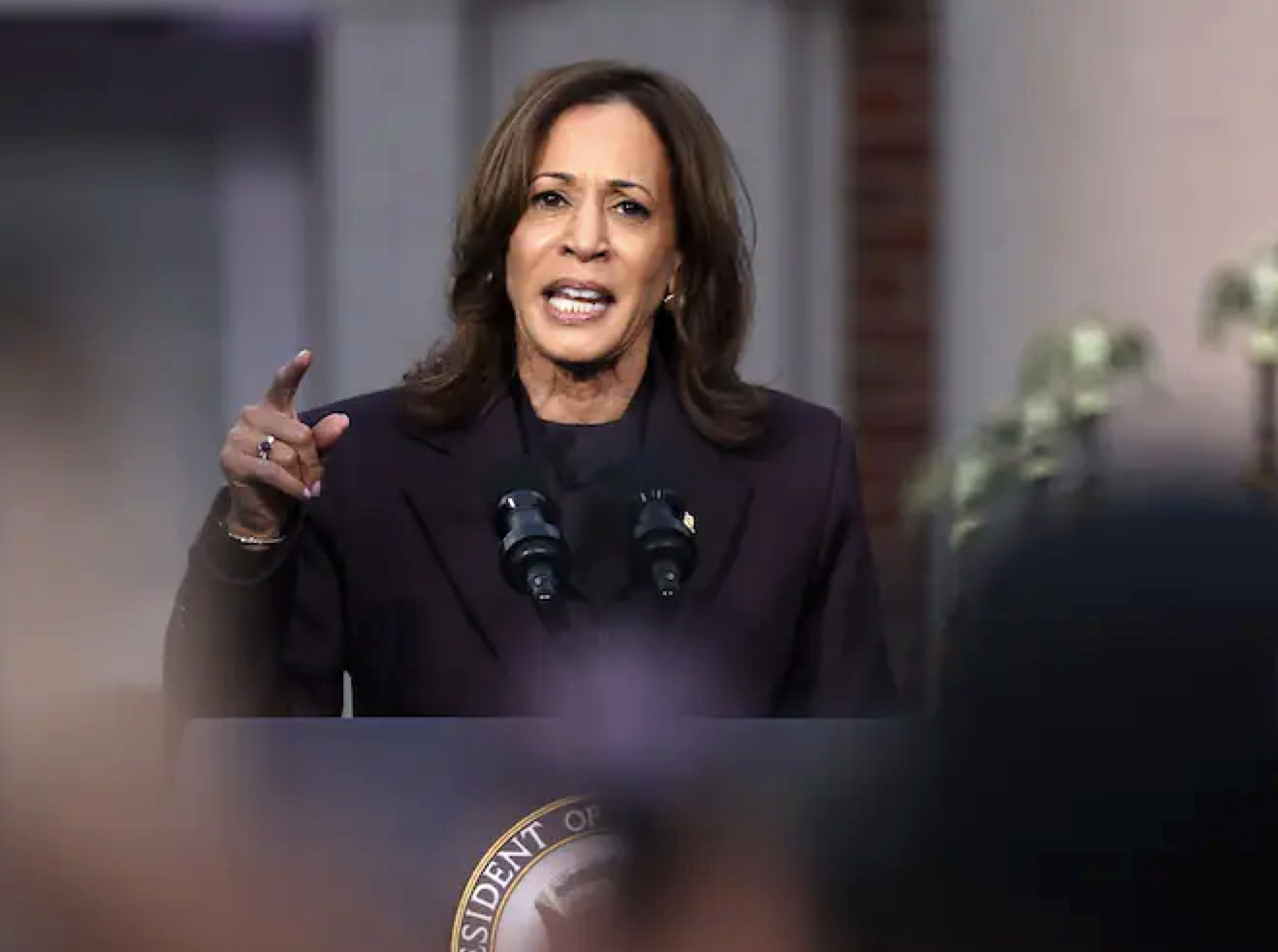
Kamala Harris: The Promise of Change
On the other hand, Kamala Harris, with her focus on inclusion and social justice, sought to attract a diverse base. “Harris represents a generational shift in American politics,” highlighted an analyst. Her victory in states like California and New York reinforces her image as an emerging progressive leader.
Other Key States
Georgia and North Carolina
Georgia, which in previous years seemed a Republican stronghold, showed signs of change. “The unprecedented voter turnout suggests a transformation in the state’s demographics,” explained a commentator. North Carolina, while having voted Republican since 2008, elected a Democratic governor in 2017, indicating a possible openness to change.
Arizona and Nevada
Arizona, with its history of Republican voting, surprised by opting for Biden in 2020. “The issue of immigration is particularly relevant in this state,” commented an immigration policy expert. Nevada, for its part, has been a Democratic stronghold since George Bush in 2004.
State by State:
Arizona
-
Donald Trump: 51.9% (1,152,733)
-
Kamala Harris: 47.2% (1,047,864)
North Carolina
-
Donald Trump: 51.0% (2,875,281)
-
Kamala Harris: 47.7% (2,684,897)
Georgia
-
Donald Trump: 50.7% (2,651,553)
-
Kamala Harris: 48.4% (2,533,819)
Michigan
-
Donald Trump: 50.1% (2,755,528)
-
Kamala Harris: 48.0% (2,642,279)
Nevada
-
Donald Trump: 51.4% (661,470)
-
Kamala Harris: 46.9% (604,204)
Pennsylvania
-
Donald Trump: 50.7% (1,152,733)
-
Kamala Harris:
Pennsylvania
- Donald Trump: 50.7% (1,152,733)
- Kamala Harris: 48.2% (1,047,864)
Wyoming
-
Donald Trump: 71.9% (192,576)
-
Kamala Harris: 25.9% (69,508)

-
Infonegocios RED: 4.5 million Anglophone Latinos reading business news daily.
-
Contacts: [email protected] or [email protected]












Tu opinión enriquece este artículo: