"The 'godfather of AI' reveals the dangers that its misuse is already causing today"

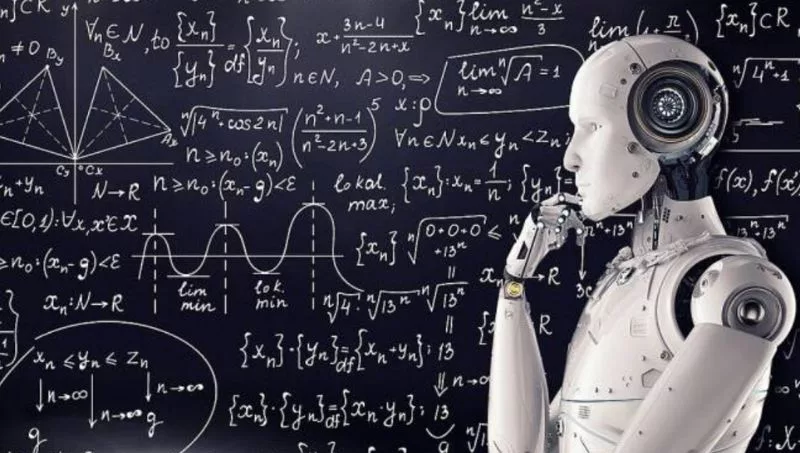
(By Dino Dal Molin) Geoffrey Hinton is known as the "godfather of artificial intelligence". He was one of the pioneers in the research of neural networks and deep learning, laying the foundation for the current development of artificial intelligence, including ChatGPT. Neural networks are systems similar to the human brain in the way they learn and process information, allowing artificial intelligence systems to learn from experience.

Hinton has pointed out that chatbots could soon surpass the level of information contained in a human brain, which he considers terrifying.

Why did he resign from Google?

Hinton resigned from Google because he wanted to speak freely about the dangers of artificial intelligence without worrying about the impact it could have on Google. Although Hinton has stated that Google has been responsible in its approach to artificial intelligence, he has expressed concern about how technology companies are competing in the field of artificial intelligence.

What dangers does he warn about its use today?

Hinton has publicly expressed his concern about the dangers of artificial intelligence, stating that this technology threatens humanity because it works better than the human brain and no one can guarantee that it can be controlled. Hinton has identified three short-term dangers: the creation of digital content that is impossible for the average user to verify, the elimination of jobs in many trades, and the danger of artificial intelligence systems becoming autonomous weapons.

Hinton has pointed out that chatbots could soon surpass the level of information contained in a human brain, which he considers terrifying.

In his opinion, the responsibility lies with scientists who explore the functioning of computer neural networks, but the problem is how to mitigate long-term risks, especially if things smarter than us take control. Hinton is also concerned about the possibility of bad actors using artificial intelligence to automatically produce texts with misleading information or to develop "killer robots".



Tu opinión enriquece este artículo:

American Airlines invierte US$ 1.000 millones que revolucionará el Aeropuerto Internacional de Miami (hasta el infinito y más allá)

(Por Taylor, con Maqueda, edición Maurizio) En una jugada que promete transformar el panorama de las aerolíneas y los viajes internacionales en Estados Unidos, American Airlines ha anunciado una inversión de USD $1,000 millones destinada a la ampliación de la terminal D del Aeropuerto Internacional de Miami (MIA). 

(Lectura de valor, 4 minutos de lectura, material idea para compartir)

American Airlines le da otro vuelo a MIA (Miami Internacional Airport)

(Por Taylor, edición Maurizio) La aerolínea ha anunciado una inversión monumental de USD $1,000 millones para la ampliación de la terminal D en el Aeropuerto Internacional de Miami (MIA), un proyecto previsto para iniciar en 2027 que promete transformar radicalmente la experiencia del viajero.

(Lectura de valor, 4 minutos de lectura, material idea para compartir)

Mundial 2026: Sheinbaum garantiza seguridad en Guadalajara y resto de sedes (lo que ningún medio te dice, aquí)

(Por Ortega, Maqueda, edición Maurizio) La Presidenta Claudia Sheinbaum ha respondido con firmeza a las dudas sobre la capacidad de Guadalajara para albergar partidos de la Copa Mundial 2026. "No existe riesgo alguno", declaró este martes, asegurando que hay "todas las garantías" para que el torneo se desarrolle con normalidad y seguridad para los visitantes. ¿Pero eso es toda la verdad?

(Contenido de alto valor estratégico, 4 minutos, información ideal para compartir)

Netflix anuncia al mundo que se cae la compra de Warner (y quizás la operación de crossing media más importante de la historia de los medios)

(Redacción Miami) El comunicado oficial de Netflix: “Creemos que habríamos sido grandes administradores de las icónicas marcas de Warner Bros. y que nuestro acuerdo habría hecho crecer la industria del entretenimiento, al mismo tiempo que preservaría y crearía más empleos de producción en Estados Unidos”.

(Lectura de valor, 4 minutos de lectura, material idea para compartir)

El código del Ormuz, la apuesta detrás del barril de crudo a US$ 100

(Por Mauvecin, Maurizio y Taylor) Cuando los titulares gritan sobre el estrecho de Ormuz, la mayoría piensa en un mapa, barcos y un cuello de botella. Lo que solo el 0.5% de las mentes estratégicas procesa es que estamos ante el mayor juego de póquer geopolítico desde la Crisis de los Misiles de Cuba, pero con crudo, drones y algoritmos financieros como fichas. 

(Lectura de valor, 4 minutos de lectura, material idea para compartir)