Regarding the elections, Saviano stated that Maduro "declared a false electoral victory," that "the vote count is irregular," and that "the elections took place in an atmosphere of constant intimidation."
The writer, under police protection for books revealing mafia activities like Gomorrah (2006), said that "Venezuela is a narco-state." And he added: "Any left-wing party that defends Maduro becomes an accomplice of a ruthless narco-regime that has dragged Venezuela into indescribable misery."
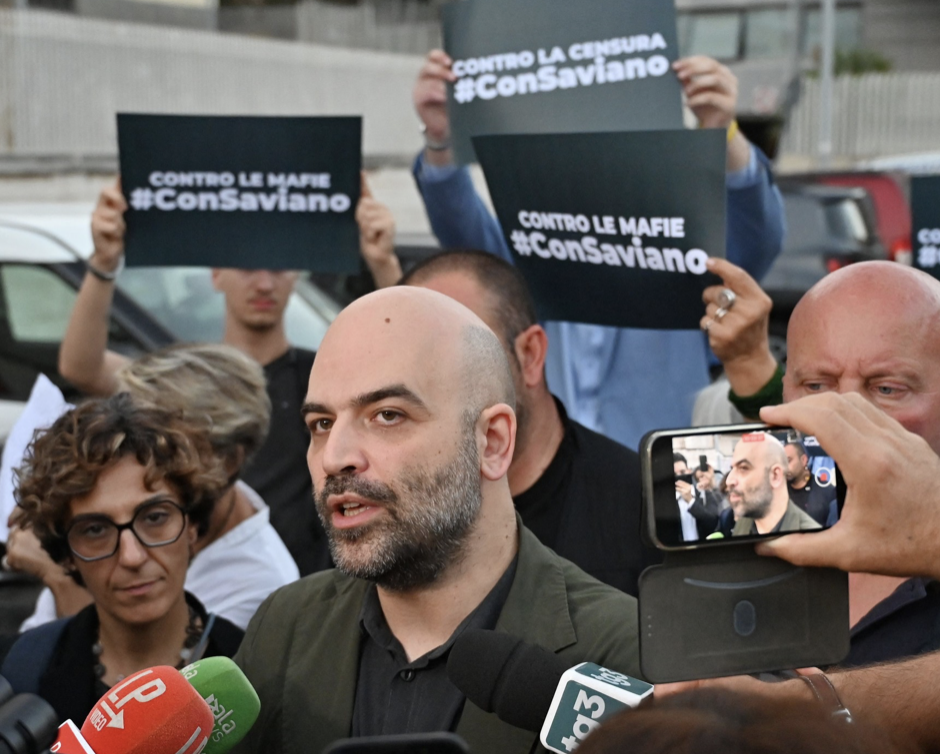
In his incisive column titled "Maduro's two nephews, a symbol of the regime in the land of drug traffickers," Saviano addresses the striking case of Efraín Campo Flores and Francisco Flores, nephews of Cilia Flores, detained in Haiti for attempting to traffic cocaine to New York. "Maduro is a tyrant in a narco state," according to the Italian anti-mafia writer Roberto Saviano. Regarding the elections, the writer, who is under police protection for books revealing mafia activities, stated that Maduro "declared a false electoral victory."
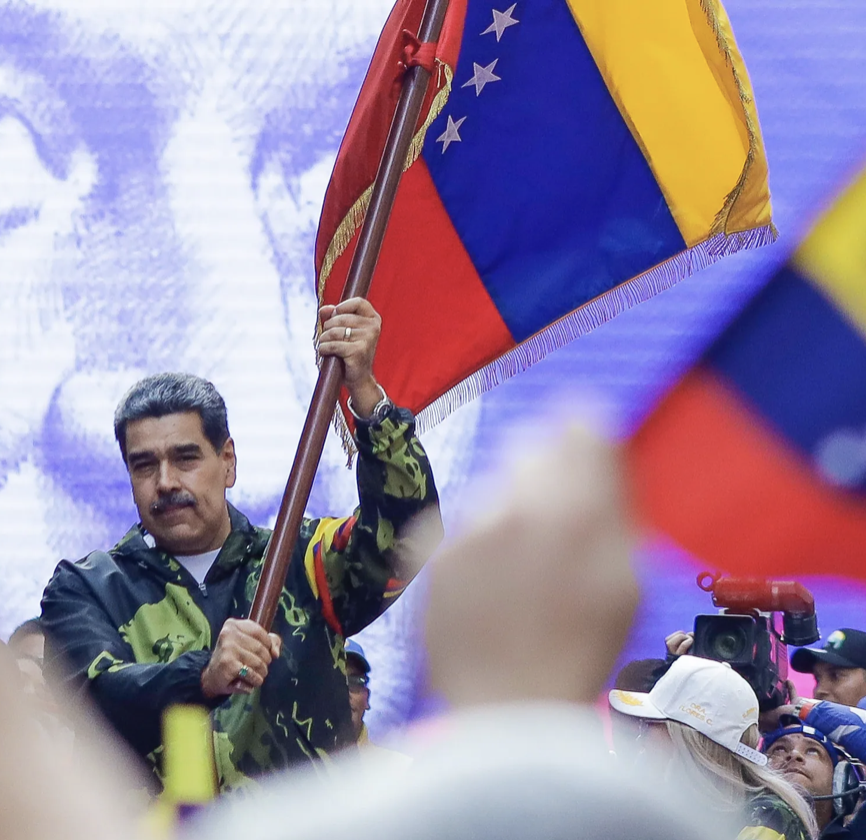
Roberto Saviano's report on socialist narco-statism in Venezuela, under the government of Nicolás Maduro, focuses on several key points that reveal the deep infiltration of drug trafficking into the country's governmental structures.
The impacts are adverse, and this is just the beginning of the hiding of scandalous business in politics, which to keep pushing is used the trite resource that it is the lies of the "right" that revealed routes of whitewashing of taking dollars (which involves Iran, Argentina, Ecuador, Bolivia, and Venezuela, for example).
This report and others like it shed light on the politicians, parties, and organizations that have supported these types of totalitarian regimes disguised as revolutionary governments.
Narco-state disguised as a revolution: Saviano highlights how Maduro's Chavista regime has turned Venezuela into a narco-state, using left-wing rhetoric to cover up its illicit activities. This approach calls into question the ideological legitimacy of those who continue to support Chavismo for political or ideological reasons, despite overwhelming evidence of corruption and drug trafficking.
Organized crime at the highest levels: The case of Maduro's "narcosobrinos," with access to state resources and direct connections to political power, illustrates how drug trafficking has permeated governmental structures in Venezuela. This infiltration of organized crime into the power spheres raises serious questions about the integrity and legitimacy of Maduro's government.
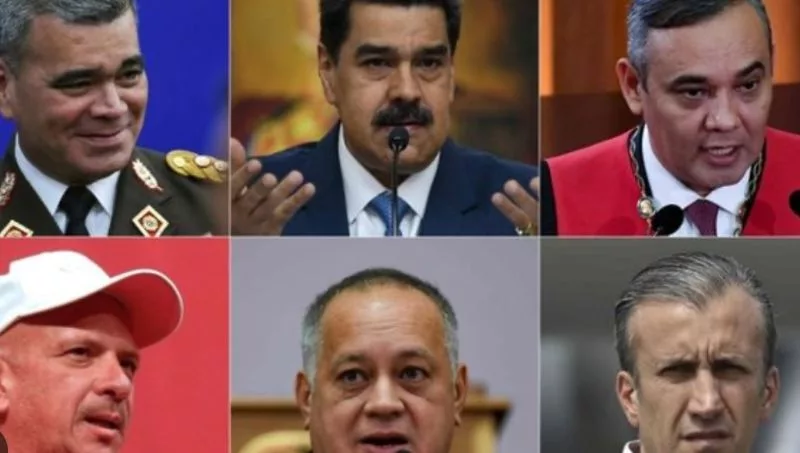
Complicity of the military forces: Saviano also points out the complicity of the Venezuelan military forces in the drug trafficking network, especially through figures like Diosdado Cabello, who has been linked to the "Cartel of the Suns." This connection between military power and drug trafficking highlights the institutionalized corruption that undermines the foundations of any democratic regime.
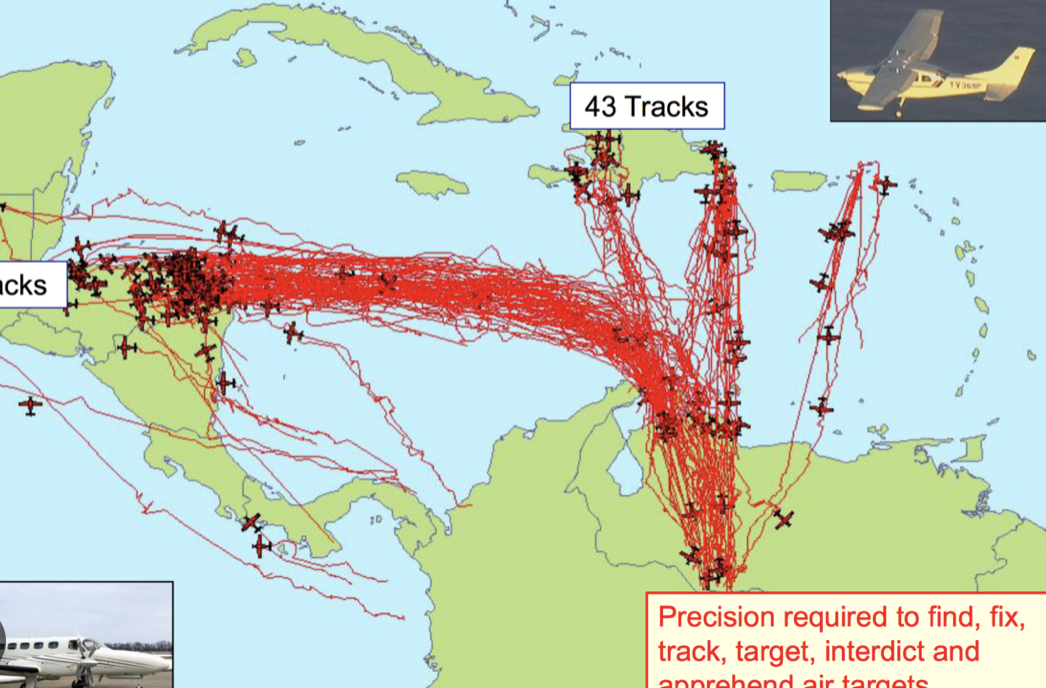
Response to the economic crisis: In a context of oil crisis, Saviano suggests that Venezuela's transition to a narco-state can be seen as a strategy to compensate for the loss of income. This dynamic highlights how corruption and drug trafficking can be used as means to maintain power in times of economic and political crisis.
"A military caste directly manages the trafficking of cocaine and oil exports in Venezuela," stated Saviano in various messages published on the social network X.
He also denounced that Maduro "declared a false electoral victory" in the elections on July 28, where he considered the vote count to be "irregular" and that "the elections took place in an atmosphere of constant intimidation."
He also maintained that in Venezuela, "trials are bought with bribes and contracts are exclusively entrusted to relatives and friends of political leaders," in a publication to which he added the hashtag.
In general, Saviano's report sheds light on the complex intersection between organized crime, political corruption, and revolutionary rhetoric in regimes like Maduro's in Venezuela. His analysis questions not only the legitimacy of such governments but also the responsibility of those who support them, whether for ideological, political, or economic reasons. The revelation of these uncomfortable truths can have a profound impact on public perception, international politics, and Venezuela's diplomatic relations with other countries.
This event illustrates the penetration of drug trafficking in the highest circles of Venezuelan power, demonstrating the systemic corruption that prevails in the country. The writer, renowned for his courageous exposure of international mafias, points out that the "narcosobrinos" had privileged state resources for their operations, including access to the presidential hangar and private planes. Their arrest revealed a network of complicity involving the government in international drug trafficking, with connections reaching alarming levels.
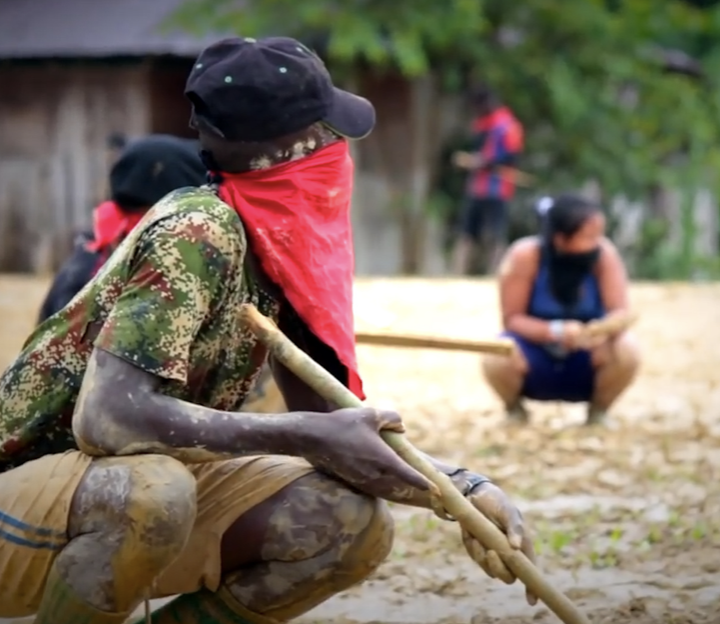
Saviano highlights the valuable collaboration of protected witnesses who have corroborated Venezuela's involvement in global drug trafficking, emphasizing how the regime uses illicit revenue to finance electoral campaigns and co-opt the armed forces. This web of corruption, according to the author, has turned Venezuela into a narco-state where social justice is merely a disguise to cover up its criminal activities.
-
The case of the "narcosobrinos" is just the tip of the iceberg, according to Saviano, who points out that the DEA has documented the infiltration of cartels in Venezuelan ports, with the complicity of senior government officials, including Diosdado Cabello, linked to the "Cartel of the Suns." In the context of an economic crisis, drug trafficking has become a way to offset the fall in oil revenues, demonstrating the sinister evolution of power in Venezuela.
In his incisive analysis, Saviano demystifies the revolutionary rhetoric of Chavismo as a smokescreen to perpetuate its misdeeds, diverting attention from the true nature of the regime. In the writer's words, "Those who truly believe that these traffickers in the name of ideology are only creating a smokescreen to defend their business."
A compelling denunciation that sheds light on the dark reality of Maduro's socialist narco-state.
This comprehensive report by Roberto Saviano exposes the web of corruption and drug trafficking that has permeated the power structures in Venezuela, highlighting the urgent need for a radical change to restore dignity and legality in a country that has been devastated by the unbridled ambition of a few.









Tu opinión enriquece este artículo: