Quick Tips ("IN Miami Micro-Note"):
5 key insights to understand the economic magnitude of the 2025 FIFA Club World Cup™
This phenomenon, blending sports, economics, and business strategy, reveals how club football has become a global economic engine with benefits that go well beyond the pitch. Want to see how these figures impact business and what opportunities they present for companies and markets in LATAM, Miami, the US, and Spain? Keep reading.
The New Era of Football and Million-Dollar Business
-
Record-breaking cash prizes: FIFA allocated a total of $1 billion USD in awards—an all-time high in club football worldwide.
-
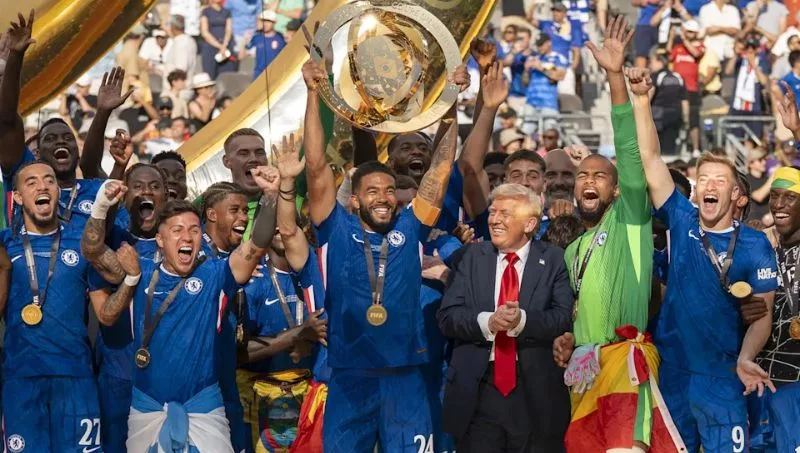
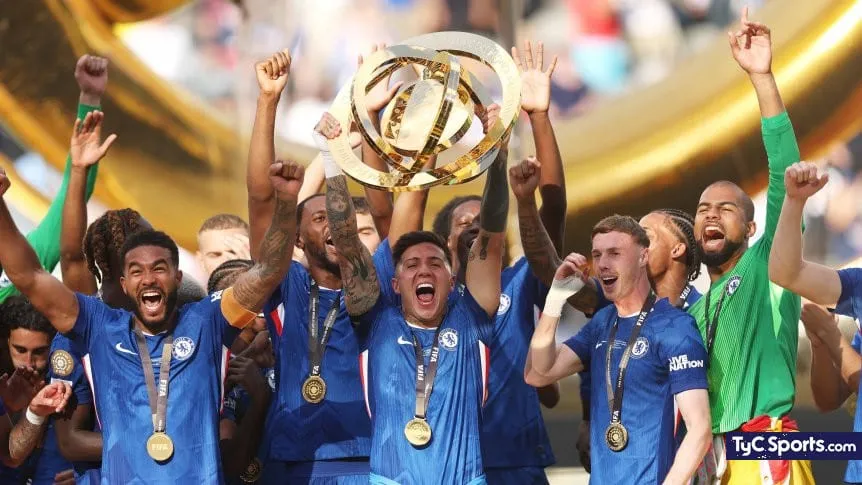
Champion’s prize: Chelsea took home $156 million USD just for winning the final—more than many professional leagues in Europe and America.
-
Global development investment: $250 million USD in programs for football development and growth in over 200 countries, boosting the global sports economy.
-
Growing prizes in group stages and knockout rounds: Each victory in the group phase pays $2 million USD, and the champion receives $40 million—fueling competitiveness.
-
Impact on emerging markets: Clubs from North America, Africa, and Asia received up to $15 million USD per participation, fostering football growth in non-traditional regions.
The Magnitude of the Prizes and Their Impact on the Global Football Economy
The revolution in cash prizes at the World Cup
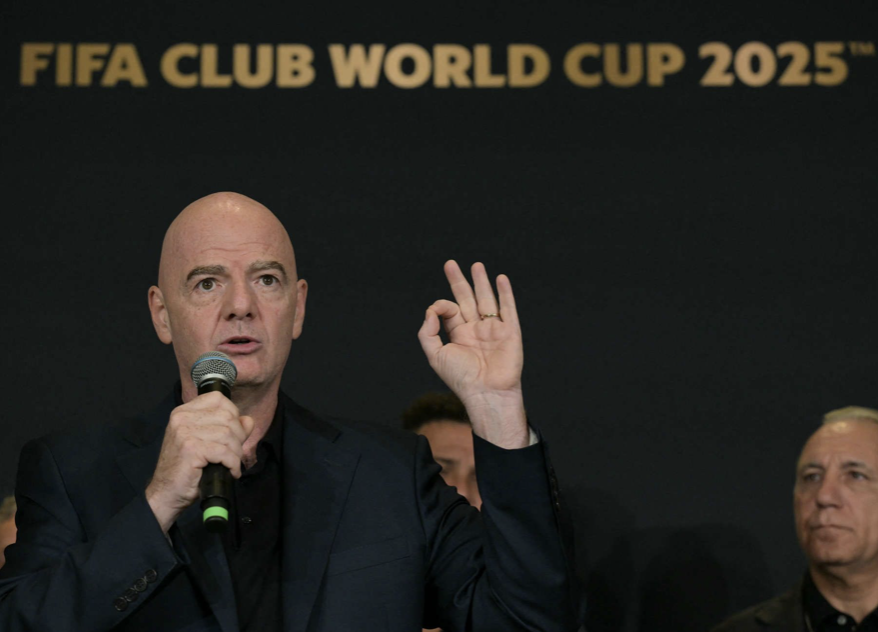
The 2025 FIFA Club World Cup™ became the tournament with the highest economic distribution in football history. FIFA, aiming to boost the sport globally, allocated a total of $1 billion USD in prizes among the 32 clubs, plus a solidarity program contributing another $250 million USD to football development worldwide.
Chelsea, as the champion, received $156 million USD—a record-breaking figure surpassing all previous benchmarks and far exceeding the prizes of other tournaments like the UEFA Champions League, which distributed around $150 million USD in 2024 to its finalists.
Key data and figures reflecting economic impact
-
Cash prize for the champion: $40 million USD, with scaled rewards in earlier rounds ($2 million USD per group win, up to $30 million USD for runners-up).
-
Distribution by continent: European clubs received between $12.81 million and $38.19 million USD, while South American clubs earned $15.21 million USD—highlighting a distribution favoring more developed football regions.
-
Financial impact on clubs: For teams like Chelsea, these earnings are opportunities to strengthen squads, invest in signings, comply with Financial Fair Play, and boost their global brand.
Impact on Markets and Investment
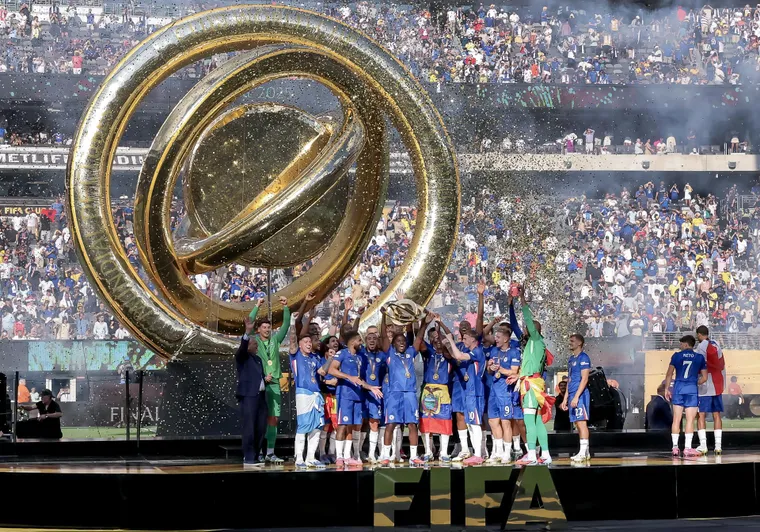
This massive cash flow not only benefits clubs but also triggers a domino effect across the sports industry: new sponsorships, strategic alliances, and business opportunities in emerging markets like Miami and LATAM, where football is booming and seeking to establish itself as a major economic and cultural driver.
FIFA’s Strategy: Beyond Sport, Social and Economic Impact
The distribution model and funds allocated to social programs show FIFA’s commitment to a more inclusive, globally impactful football—promoting development in resource-limited regions and driving economic growth through sport.
The success of the 2025™ Club World Cup economically and in audience engagement confirms that football is much more than a game. It’s an investment platform, a cultural force, and a business strategy that offers unique opportunities for brands, investors, and countries eager to position themselves in the sports economy.
Football as an Economic and Social Motor
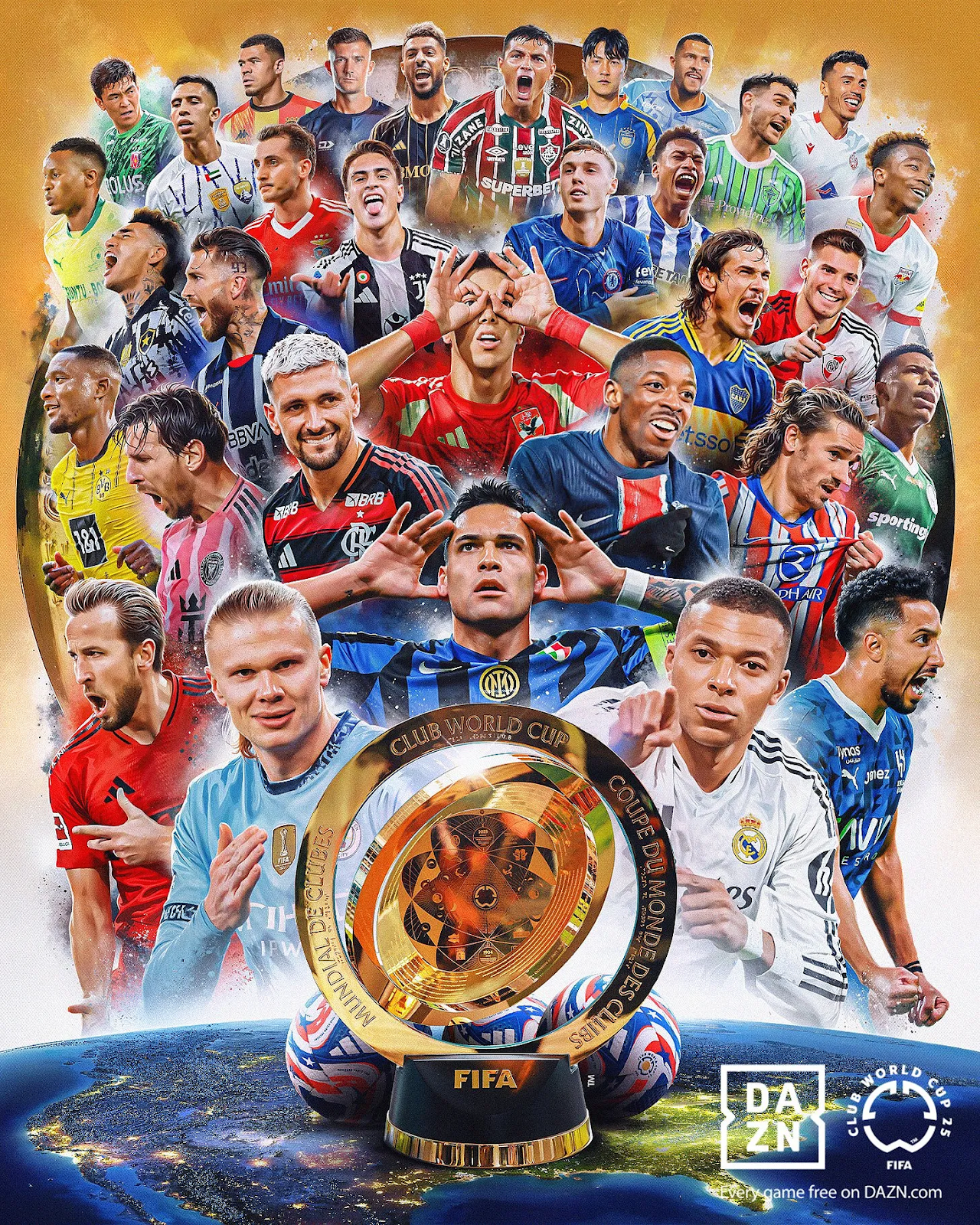
Chelsea’s victory and the $156 million prize reflect a clear trend: club football has become a global economic phenomenon, generating benefits beyond the field and impacting emerging and established markets alike. For business leaders, investors, and brands in Miami, LATAM, and the US, understanding this dynamic is essential to harness opportunities for growth, innovation, and leadership in an increasingly competitive and multicultural market.
Sports no longer just spark passion—they also create wealth and social development.
FAQs
Why are the prizes at the FIFA Club World Cup so high compared to other tournaments?
Because FIFA invests in a model designed to enhance competitiveness, boost club investments, and grow the sport worldwide, generating exponential economic and social returns.
How can a business leverage this growth in global football?
By engaging in sponsorships, strategic alliances, and marketing campaigns that emotionally connect with global audiences, leveraging sport’s visibility to strengthen brands and expand into emerging markets.
What opportunities does this football economic boom offer for countries like the US and LATAM?
New investments in infrastructure, talent development, event creation, and international partnerships that drive regional economic and cultural growth.
Long live football—may the beautiful game continue to surprise us!

Suscribete:
-
Subscribe for free to receive the most strategic, agile, and valuable insights at: https://infonegocios.miami/suscribite-al-newsletter
Infonegocios NETWORK: 4.5 million Anglo-Latinos united by a passion for business.
Contact Infonegocios MIAMI:
marcelo.maurizio@gmail.com
Read Smart, Be Smarter!

-
Uruguay: https://infonegocios.biz
-
Argentina: https://infonegocios.info
-
Paraguay: https://infonegocios.com.py
-
Madrid: https://infonegocios.madrid
-
Barcelona: https://infonegocios.barcelona









Tu opinión enriquece este artículo: