
Wildfires, Controversies, and Devastating Losses
Summary and Key Takeaways:
The wildfires in California are not just a natural disaster; they reflect the social, political, and emotional tensions we face as a society. "It's essential that we learn from these crises to improve our future responses." Clear communication, preparedness, and community support are vital in tackling these challenges.
-
Mayor Karen Bass faces backlash for her silence regarding the wildfire response.
-
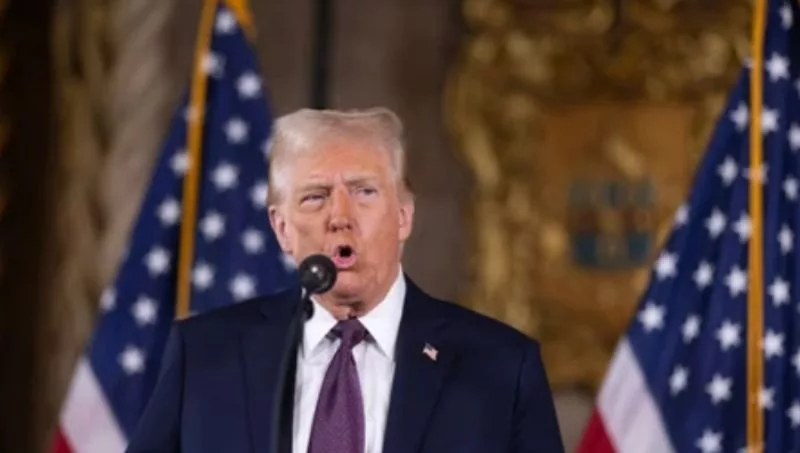
Donald Trump criticizes Governor Gavin Newsom for the lack of preparedness and water resources.
-
Cameron Mathison, the actor from "General Hospital," shares his heartbreaking experience after losing his home.
Stay Informed: The situation can change rapidly; keep up with updates on the fires and government responses.
Support the Victims: Contribute to organizations assisting those who have lost their homes.
Prepare an Emergency Kit: Having a plan and an emergency kit can make a significant difference in critical situations.
-
Karen Bass: Silence and Criticism
"Mayor Karen Bass was left speechless when a reporter asked her about her absence during the wildfires." Returning from a trip to Ghana, she encountered a Sky News correspondent who questioned whether she felt she owed an apology to the citizens. "Bass remained silent," prompting a wave of criticism regarding her management. "Her lack of response has left many wondering about her commitment to community safety."
Emotional Impact
Bass's reaction can be interpreted as a defense mechanism in the face of public pressure. According to neurolinguistics studies, silence during crises can amplify perceptions of incompetence. "Effective communication is crucial for maintaining public trust," experts in behavior assert.
-
Donald Trump: Attacks in Times of Crisis
Amid the devastation, "Donald Trump seized the opportunity to criticize Governor Gavin Newsom." During a meeting with Republican senators, Trump emphasized the lack of water and resources as factors exacerbating the situation. "He referred to the wildfires as a 'true tragedy' and pointed out that it was a 'mistake' by the governor not to ensure adequate access to hydrants."
Political Reactions
Such statements, while polarizing, are common in crisis situations. Behavioral science suggests that during disasters, public figures often seek to capitalize on public discontent to bolster their image. "Political rhetoric can influence public perception beyond the facts."
-
Cameron Mathison: A Story of Loss and Resilience
Actor Cameron Mathison, known for his role in "General Hospital," has shared his heartbreaking experience after losing his home in the Eaton fire. "Mathison reported that while his family is safe, he is left with only a few articles of clothing and personal mementos." His story resonates with many, reflecting the vulnerability of citizens in the face of natural disasters.
The Power of Narrative
Personal stories, like Mathison's, have a powerful impact on collective empathy. "Humans are wired to connect emotionally through narratives," explains a neurolinguistics specialist. "These stories can mobilize the community to act, whether through donations or support for the affected."

-
Subscribe for free to receive the most strategic, agile, and valuable insights at: https://infonegocios.miami/suscribite-al-newsletter

Infonegocios NETWORK: 4.5 million Anglo-Latinos united by a passion for business.
Contact Infonegocios MIAMI:
[email protected]







Tu opinión enriquece este artículo: