(High-value strategic read — 4 minutes. Built to be shared and saved.)

(The Business Architecture 99% of the Market Is Ignoring)
The Integral Brand Ecosystem: The Business Architecture 99% Ignore
Here's the uncomfortable truth no consultant drops on you in the first meeting — because they know it'll shake you:
Communication and branding? That's the smallest slice of the time, promotional logistics, and capital the ecosystem actually requires to build a real brand.
The other 90% is what determines whether that investment generates sustained relevance — or evaporates in 72 hours like 97% of campaigns currently do.

That 90% is called the thematic world amplification ecosystem — and it's engineered across four core layers:
The Activation Layer
-
Influencer networks segmented by niche, geography, and cultural moment
-
Live experiential activations: pop-up showrooms, themed bars, community-driven events — channel promos, pricing strategy, product extensions, value-adds
-
POP materials and merchandising that extend the brand universe straight to the point of sale
-
Packaging that communicates — not just contains
The Brand Infrastructure Layer
-
The right internal human capital — the Head of Culture that LEGO has, and that 99% of companies don't even know they need
-
A sales-promotional-experiential force that lives and breathes the brand narrative
-
Distribution with identity: branded vehicles, last-mile logistics built as brand experiences
-
Heavy transport fleets that turn every highway route into a moving billboard
The Physical Presence Layer
-
Strategic OOH that doesn't interrupt — it belongs to the urban landscape
-
Retail spaces and spacing designed as experiences in themselves
-
Brand boutiques where the product is the pretext and the experience is the actual product
-
Showrooms that generate organic content without the brand ever having to ask
The Digital Amplification Layer
-
Smart paid media that amplifies what's already working organically
-
Branded content people share because they want to — not because they were paid to
-
Fan communities that evolve into an unpaid sales force
-
Digital culture that transcends the campaign and becomes a market reference point
The Result When All Layers Fire in Sync?
It's not a sales spike.
It's compound relevance — the most valuable and most scarce asset in today's market. It builds slowly, it defends itself through consistency, and it generates returns that no traditional paid campaign can replicate.

The Hidden Genius: The Head of Culture and the Team Nobody Sees
There's something almost no LEGO campaign analysis ever mentions — and it's arguably the most important element of all:
Behind the most-watched spot on the planet sits a team of cultural architects who've been building for years.
LEGO operates with what the industry calls a Head of Culture — a profile that sits at the intersection of brand strategy, cultural anthropology, data intelligence, creative direction, and long-range business vision. Not a traditional CMO. Not a traditional creative director. Something that lives at the crossroads of all of it — and then some.
This team is built to cross-pollinate everything: winter sports with soccer, F1 with fashion, pop culture with collectibles, childhood with adult nostalgia, gaming with physical experiences. Zero friction. Zero departmental silos. A full-ecosystem vision that sees connections where others see separate categories.
The practical output? When LEGO activates football, it simultaneously activates F1. When it activates F1, it activates fashion. Fashion activates street culture. Street culture activates the childhood memories of adults who now have real purchasing power. Everything is connected because someone at LEGO literally has the job of keeping that connection alive.

The question for your business: Who holds that role in your organization?
The Neuroscience Behind Why It Works
This isn't magic. It's applied brain architecture — deployed with precision.
The LEGO spot simultaneously activates three neurological systems that govern memory and purchase decision:
1. The Dopaminergic Reward System
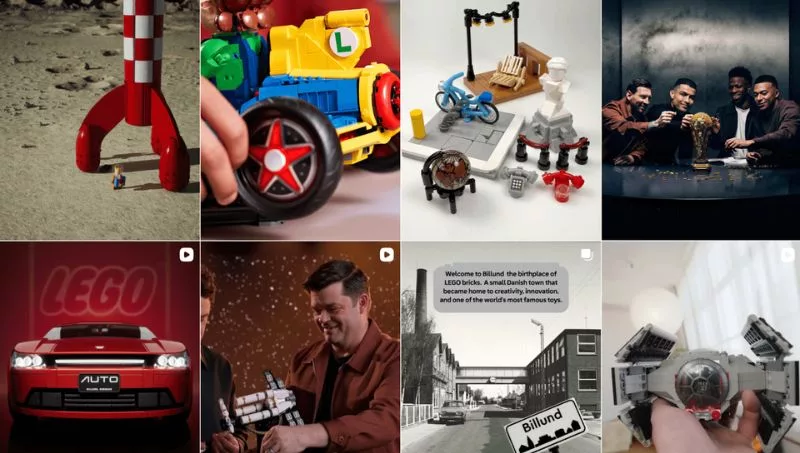
Seeing Messi, Cristiano, Mbappé, and Vinícius together triggers a dopamine release. It's literally pleasurable. The brain links that pleasure to LEGO before the consumer has consciously processed what they're even watching.
2. The Social Identity System
The kid placing the final piece isn't a character. It's the viewer. It's the fan. It's the son. It's the grandchild. LEGO activates universal belonging — the sense that anyone can be part of this story — and the human brain is neurologically hardwired to seek exactly that kind of belonging.
3. Episodic and Nostalgic Memory
For the adult who once played with LEGO, the spot doesn't just activate the present. It reactivates an emotional memory spanning decades. Neuroscience calls this "memory reconsolidation" — when a present stimulus reactivates and strengthens a past memory. LEGO executes this with absolute mastery, generating an emotional connection that no demographic dataset can predict and no product-focused campaign can replicate.
The insight for your brand: People don't remember what they saw. They remember how it made them feel. Design for the feeling — not the product.
The ROI That Never Appears on the Dashboard — But Determines Everything
Here's the concept that separates the top 1% of brands from the rest:
Cultural relevance has no line in the Excel model. But it's the asset that drives every other metric.
The immediate ROI of the LEGO campaign is measurable: collectible set sales, web traffic, share of voice, earned media value. Those numbers are impressive.
But the real ROI — what LEGO is already collecting and will keep collecting for years — is impossible to quantify in real time, and absolutely decisive in the long run:
-
Sustained premium pricing — A culturally relevant brand can charge more. Always. Without rational justification. Because the consumer perceives value where others see only plastic.
-
Substitution resistance — When your brand becomes part of someone's cultural identity, that person doesn't swap you out on price. They don't compare you. They don't discount you. They defend you.
-
Channel negotiating power — Retailers award better placement, better shelf positioning, and better terms to brands that generate pull demand. LEGO doesn't pay for the gondola space it commands.
-
Talent attraction — The best creatives, strategists, and developers in the market want to work on brands that do things that matter culturally. LEGO attracts the top 1% of talent without having to pay the top 1% of salaries.
-
Enterprise valuation — A brand with proven cultural relevance is valued differently in any M&A process, fundraising round, or exit event. The brand premium doesn't show up in accounting. But it's real — and it's massive.
LEGO's investment in this campaign is not a marketing expense. It's an investment in enterprise value.
#LEGO #WorldCupMKT2026 #BrandEcosystem #StrategicMarketing #BrandStrategy #Infonegocios #MiamiBusiness #SportMarketing #Messi #Ronaldo #Mbappe #Vinicius #FIFA2026 #BrandArchitecture #MarketingLatam #BusinessStrategy
Read Smart, Be Smarter.
📩 Subscribe to the Newsletter ✉️ Contact: Marcelo.Maurizio@gmail.com
Infonegocios NETWORK — 4.5 million Anglo-Latinos united by a passion for business. Join us. Stay sharp. Stay informed.
© 2026 Infonegocios Miami. www.Infonegocios.Miami — Economic, Cultural, and Business Intelligence with a Global Lens.











Tu opinión enriquece este artículo: