
-
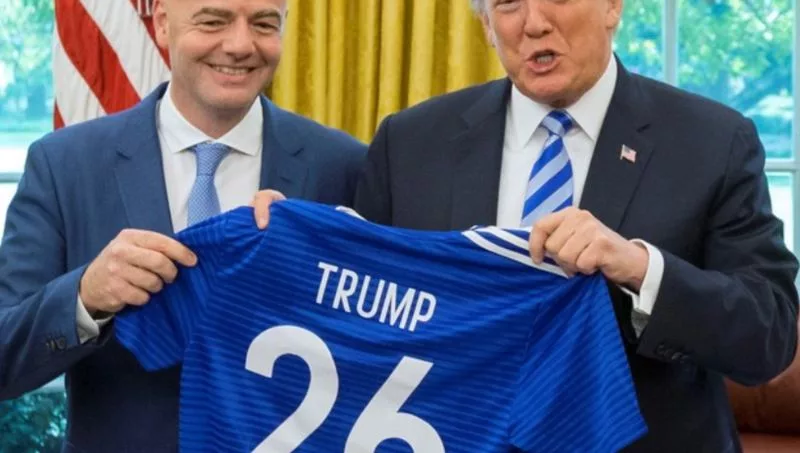
With FIFA putting its trust (and investment) in the U.S., and the Trump administration rolling out a full-on State policy around soccer, America is now the new Mecca where infrastructure, capital, innovation, and culture converge.
The big play?
Every single LATAM brand now has a chance to scale, expand, and go global by riding the “USA Soccer Effect.” This is the moment—business, society, and marketing are finding the American soccer field to be the most fertile ground for the next decade.
-
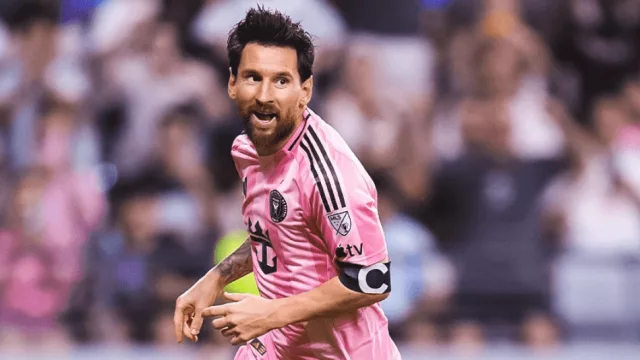
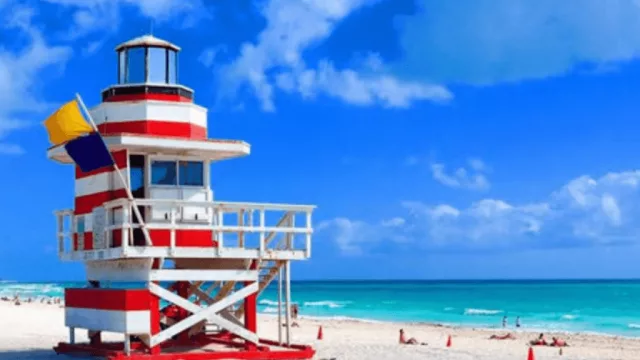
Just as Formula 1 completely changed the marketing game with “Crossing Marketing”—where branding, advertising, activations, omnichannel phygital experiences, and product/category expansion all multiply both investment and returns—now the U.S. is bringing its own unique flavor to soccer. By supercharging the value and thematic scope of sportbiz, America is taking the beautiful game to a dimension Europe couldn’t reach. Smartly, the U.S. merges with the rest of Latin America, and Miami (with Orlando, Florida, Inter Miami, Messi, Beckham) is leading this one-of-a-kind fusion: ANGLOLATINA.
Now is the time for LATAM brands—tech, mass market, media, services, tourism, hospitality, luxury, cosmetics—to invest boldly and fully in this unique universe of passion, culture, business, and experience.
-
USA, FIFA, and the Future of Latin America (It’s Happening Now…)
We’re entering the biggest cycle of soccer events in U.S. history. For LATAM brands and businesses, the time to move is right now: the “FIFA-USA effect” isn’t just redefining the sports industry, it’s opening a once-in-a-generation window for globalization, networking, and social transformation.
Ready to play on the big stage? The ball’s rolling. The opportunities won’t wait.

A) Micro Note IN Miami: The 5 Keys to the Soccer Boom in the USA (And This Time, It’s a Mega Success Across the Board)
Executive summary:
-
The U.S. will host Copa América 2024, Club World Cup 2025, Men’s World Cup 2026, and Women’s World Cup 2027.
-
FIFA and the Trump administration have formed a high-powered joint task force to guarantee the logistics and marketing success of these tournaments.
-
The 2025 Club World Cup will bring 32 teams to 11 cities, 63 games, and an estimated global audience of 1.8 billion.
-
Projected economic impact: Over $10 billion across jobs, tourism, real estate, sponsorships, tech, and consumer spending.
-
The “Messi Effect” and MLS: The U.S.—especially Miami—is now the #1 destination for soccer investment, with major appeal for LATAM brands and fans.

Strategic Tips for LATAM Brands & Business Leaders
-
Get ahead of the curve: Lock in partnerships, sponsorships, and co-branding initiatives now to own your space.
-
Think multiplatform: Audiences will consume soccer via TV, streaming, social, and live experiences. Omnichannel design is non-negotiable.
-
Innovate with activations: U.S. and global fans expect disruptive, digital, hyper-personalized experiences.
-
Bet on Latin talent: Players, influencers, and regional ambassadors will lead the World Cup storytelling.
-
Leverage the “Made in USA” factor: The American brand boosts perceptions of quality, safety, and innovation worldwide.
B) Expanded Feature IN Miami: USA as the World’s Soccer Hub and the Stage for Mega-Business
1. Why Did FIFA Bet on the U.S.? The Vision Behind the Move
The U.S. has unmatched organizational, logistical, and infrastructure chops—from the record-setting ‘94 World Cup to the recent MLS boom and the “Messi Effect.” With a powerhouse economy, tech leadership, world-class security, and a culture hungry for innovation, FIFA found the ideal playground to modernize and expand its business.
Key numbers:
-
The 2026 World Cup will be the biggest ever: 48 teams, 16 host cities, $5 billion+ in projected direct impact.
-
The 2025 Club World Cup—with 32 clubs—will be the largest club tournament ever.
-
According to EY, FIFA events from 2025–2027 will generate over 200,000 temporary and permanent jobs in the U.S.

“Soccer (fútbol) is the 21st century’s most powerful tool for soft power. The U.S. is ready to lead the next global sports revolution.”
—Gianni Infantino, FIFA President
2. The Trump Administration and Soccer: State Policy, Business, and Legacy
For the first time, the White House has launched a top-level planning team, integrating federal agencies, local governments, and private partners to secure, promote, and market FIFA tournaments. Beyond sports, this is a strategic move:
-
International clout: Showcasing “America’s greatness” as host.
-
Boosting the local and national economy: Tourism, transit, construction, entertainment, tech.
-
Social cohesion: Soccer as a bridge among communities, ethnicities, and generations.
-
Country branding: Projecting the “American way” and global leadership in a competitive geopolitical landscape.

The FIFA-USA task force coordinates everything—security, visas, mobility, infrastructure, international promotion—mirroring the Olympics and Super Bowl model, but on a global scale.
3. Opportunities for LATAM Brands: How to Ride the FIFA-USA Wave
Soccer in the U.S. is the ultimate soft power and business platform for the next five years.
Major Latin American companies—banks, fintechs, beverages, food, tourism, retail, fashion, tech—are finding a direct pipeline to globalization by linking up with FIFA events in the U.S.
Case studies & strategies:
-
Regional & global sponsorships: LATAM Airlines, Corona, Bimbo, and Mercado Libre are already activating for Copa América and World Cup ‘26.
-
VIP hospitality & events: Miami, NYC, LA—these cities will be networking and business hubs for leaders from across the Americas.
-
Storytelling: The emotional bond between Latin players and U.S. Hispanic/Anglo-Latino communities is pure gold for marketing campaigns.
Data: 24% of fans attending World Cup 2026 will be Hispanic or Latin American residents in the U.S. (US Soccer Foundation).
4. The “Messi Effect,” MLS, and the New Soccer Order
Messi’s move to Miami and the MLS’s explosive growth have changed the U.S. soccer narrative. Now, “soccer” is rivaling the NFL and NBA for young audiences and digital engagement.
-
MLS: 20%+ growth in attendance, 35%+ in franchise values (2023–2025, Forbes).
-
Miami: The Latin soccer capital and an innovation hub for sports entertainment.
Adidas, Apple, Heineken, and Hard Rock have already launched global campaigns tied to MLS and FIFA mega-tournaments.
5. Infrastructure, Jobs, and Urban Transformation: The Legacy of the Mega-Tournaments
FIFA events don’t just bring the show—they leave a legacy of new transport, stadiums, hotels, city planning, and workforce development.
Host cities—from Miami to Houston, NYC to LA—are prepping for an unprecedented investment wave.
Impact numbers:
-
Over $4 billion in new and renovated infrastructure for 2025–2027.
-
Creation of “FIFA zones” and innovation districts in key cities.
-
Inclusion and development programs for youth and vulnerable communities.

C) FAQs
Why did FIFA pick the U.S. for so many tournaments?
For its unmatched organizational skills, infrastructure, safety, and market potential.
What’s the real economic impact?
Projections top $10 billion across tourism, jobs, construction, tech, and consumer spending.
How can LATAM brands get in on the action?
Through sponsorships, activations, strategic alliances, VIP hospitality, and regional marketing campaigns.
Will soccer overtake other sports in the U.S.?
Not replace, but it’s cementing itself as the most global sport with the biggest growth upside for new audiences.
What’s the legacy for host cities?
Modern infrastructure, job creation, urban development, social inclusion, and international visibility.
Subscribe for free to receive all strategic information and be part of the largest business and culture community across the Anglophone-Latino world!:
Contact Infonegocios MIAMI:
Read Smart, Be Smarter!






Tu opinión enriquece este artículo: