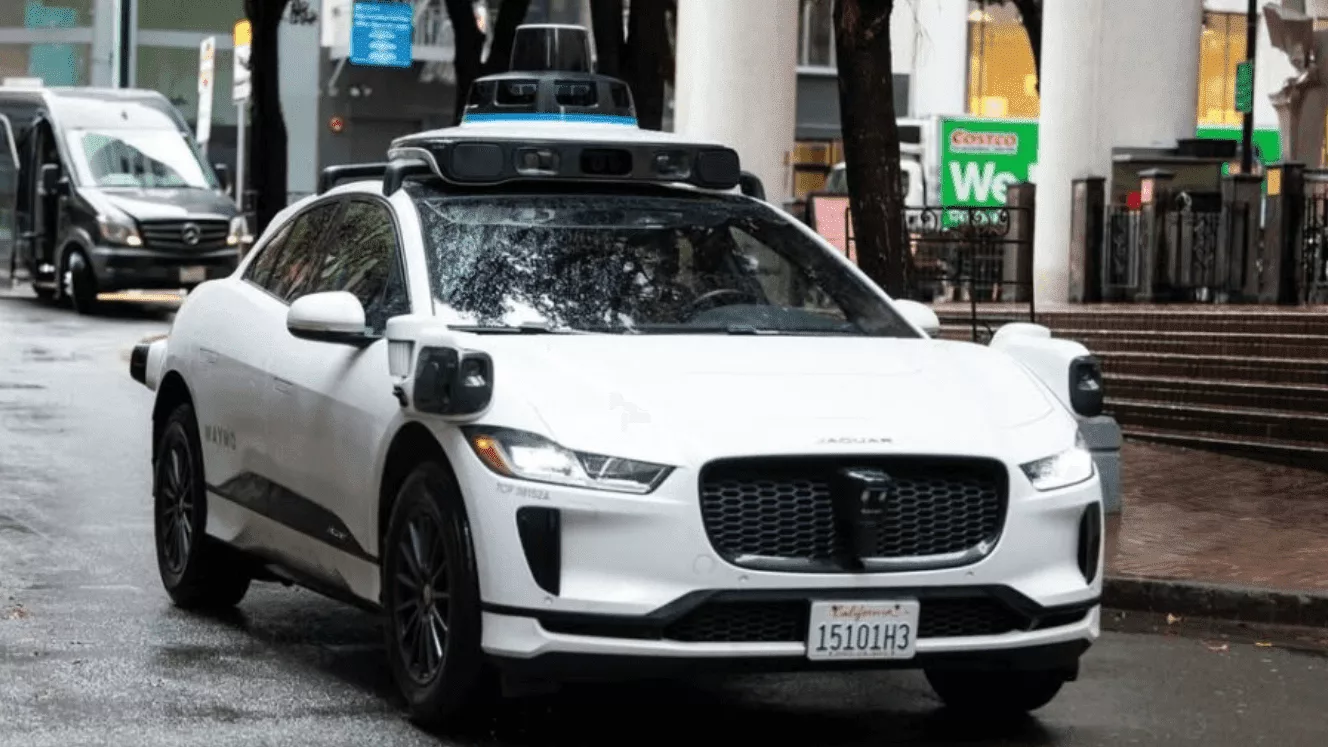
Waymo Conquers Miami: How Autonomous Vehicles are Rewriting the Rules of Real Estate, Tourism, and the South Florida Economy
An exclusive analysis of the economic and urban impact.
THE ARRIVAL: MORE THAN TECHNOLOGY, AN ECONOMIC PLATFORM
Miami has officially become the sixth U.S. market where Waymo, Alphabet’s (Google) subsidiary, operates its commercial autonomous transport service. This inclusion places South Florida at the epicenter of future mobility, alongside Phoenix, San Francisco, Los Angeles, Austin, and Atlanta.
But this isn’t simply “more driverless Uber.” It’s the most sophisticated digital-on-wheels infrastructure ever deployed, and its arrival in Miami—a global city with a highly developed service economy—will serve as a global case study for 21st-century urbanism.
THE ROADMAP: WHERE TECHNOLOGY MEETS CAPITAL
The initial service area covers 155 km² (60 square miles), precisely matching the city’s highest-value corridors:
-
Downtown & Brickell: the financial district where decisions move trillions.
-
Wynwood & Design District: the epicenter of the creative economy and luxury retail.
-
Midtown: high-end residential and mixed-use development.
-
Coral Gables: the corporate and elite residential enclave.
The temporary exclusion of Miami Beach is strategic, not technical. Waymo is validating its operating model in complex but controllable conditions before facing the logistical chaos of South Beach. Its arrival there, anticipated in the coming months, will be the true baptism by fire.
ECONOMIC ANALYSIS: THE 5 IMMEDIATE IMPACTS
REAL ESTATE VALUATION: The “Waymo Effect”
Properties within Waymo’s service area have strong potential for differential appreciation. Developers are already including “Waymo access” as a premium amenity. In Brickell, analysts project a 3–5% increase in the value of apartments and offices with direct autonomous connectivity.
A condo in Edgewater with a Waymo stop 100 meters away could command a premium of around $50,000 over similar units outside the zone. This creates a new location benchmark: not distance to the metro, but density of autonomous routes.
REDEFINING HOSPITALITY AND TOURISM
Waymo isn’t competing with Uber; it’s creating a superior category. Luxury hotels in Coconut Grove and Coral Gables are exploring “Waymo Inclusive” packages where premium autonomous transport is included in the rate.
Competitive advantages for Miami:
-
International travelers: eliminates language barriers with drivers.
-
Luxury tourists: offers absolute privacy and consistent service.
-
Business travelers: enables working en route with total focus.

The multi-stop travel function is a quiet disruptor: a executive could conduct hotel-meeting or meeting-flight transitions in a single service, saving roughly 30% of time.
RESTRUCTURING THE “LAST MILE” MODEL
Integration with Metromover and future public-transit expansions will be critical. Waymo solves the “last mile” problem with an efficiency that shuttles have never achieved. This could raise public transit use by 15–20% along the served corridors.
NEW URBAN DATA ECONOMY
Each Waymo trip generates terabytes of data on traffic flows, mobility patterns, and pedestrian behavior. This digital pulse of the city has immeasurable value for:
-
Real estate developers: where to place the next mixed-use.
-
Retailers: when and where to open stores.
-
Municipal government: how to optimize signals and infrastructure.

Waymo becomes, almost inadvertently, the most sophisticated urban intelligence platform in Miami.
IMPACT ON THE JOB MARKET AND NEW PROFESSIONS
Yes, it will displace some driving jobs, but will create new professional categories:
-
Autonomous fleet operators: remote monitoring and exceptions.
-
Urban integration specialists: linking Waymo to buildings and services.
-
Mobility-as-a-Service (MaaS) analysts: optimizing multimodal fleets.
THE TECHNOLOGY EDGE: WHY WAYMO WINS IN MIAMI
LOCAL CONTEXT ADAPTATION: BEYOND ALGORITHMS
Waymo did not arrive with a generic solution. Its system was trained specifically for Miami’s idiosyncrasies:
-
Aggressive drivers: algorithms anticipate abrupt maneuvers typical on I-95.
-
Extreme weather: advanced radar operates under heavy tropical rains.
-
Large-scale events: learned from Art Basel, Ultra Music Festival, Grand Prix.
-
Flooding: detection of flooded streets and automatic re-routing.
THE OPERATING SECRET: AUTONOMY WITH A SAFETY NET
The “autonomous but monitored” architecture is the key:
-
In-vehicle decision-making: 99.9% of decisions are AI-powered in real time.
-
Remote support center: for the 0.1% of edge cases (blocked street due to unforeseen events).
-
No remote control: only recommendations the vehicle evaluates.
This triad ensures scalability (a single operator can oversee multiple vehicles) without compromising safety.
PRIVACY AS DIFFERENTIATOR
In a celebrity-heavy city with high-stakes transactions, Waymo’s privacy model is a marketing asset:
-
Microphones always off unless the user activates assistance.
-
Cameras only for basic safety (seatbelt detection, object detection).
-
No recording of conversations and no facial recognition.

Compare with an Uber, where the driver could record or share information.
ROADMAP 2026–2027: WHAT’S COMING
GEOGRAPHIC EXPANSION ON THE HORIZON
-
Q2 2026: Official arrival in Miami Beach (already in testing).
-
Q3 2026: Connection to Miami International Airport (MIA).
-
Q4 2026: Expansion to Fort Lauderdale and connection to FLL.
-
2027: Operation on highways (I-95, Florida Turnpike, I-75).
SERVICE EVOLUTION
-
Waymo One: Current public service (waitlist of 10,000+).
-
Waymo Via: Freight and logistics service (in development).
-
Waymo Enterprise: Corporate fleets on a subscription basis.
INTEGRATION WITH THE ECOSYSTEM
-
Travel apps: integration with Google Maps, Apple Maps, Kayak.
-
Payment systems: integration with Apple Pay, Google Wallet, cryptocurrency.
-
Hotels and resorts: remote check-in during the journey.
REGULATORY CHALLENGE AND ADOPTION
LOCAL GOVERNMENT COORDINATION
Waymo operates under a unique city cooperation framework:
-
Emergency protocols: fleet can be remotely withdrawn during hurricanes or crises.
-
Anonymous data sharing: for urban planning.
-
Restricted zones: respecting sensitive areas (schools, special events).
PUBLIC ACCEPTANCE: THE NUMBERS
Waymo internal surveys in Miami show:
-
78% of first-time users feel “safer” than in a vehicle with a driver.
-
92% value privacy and service consistency.
-
65% of cyclists report greater trust in autonomous vehicles (predictable).
The key psychological factor: removing the “driver’s lottery” (bad mood, poor driving, uncomfortable conversations).
MIAMI AS GLOBAL LABORATORY
-
Waymo’s arrival in Miami transcends transportation. It’s real-scale implementation of a smart city. Each trip moves not just a person, but generates data, optimizes infrastructure, and redefines property value.
-
For business: a 20–30% reduction in corporate transportation costs and a recruiting edge (“work in a city with autonomous mobility”).
-
For tourism: creates a competitive differentiator vs. other cities.
-
For urban development: offers the first scalable solution to the chronic congestion and “last mile” problem.
-
Waymo in Miami isn’t the future. It’s the most sophisticated present of urban mobility, and its success here will determine how global cities move in the next decade.
The real journey has only begun.
Read Smart, Be Smarter!
https://infonegocios.miami/suscribite-al-newsletter
Contact- Contacto: [email protected]
Infonegocios NETWORK: 4.5 million Anglo-Latinos united by a passion for business.
Join us and stay informed.
© 2025 Infonegocios Miami.












Tu opinión enriquece este artículo: