50 years since the first mobile phone call, who is the market leader today?

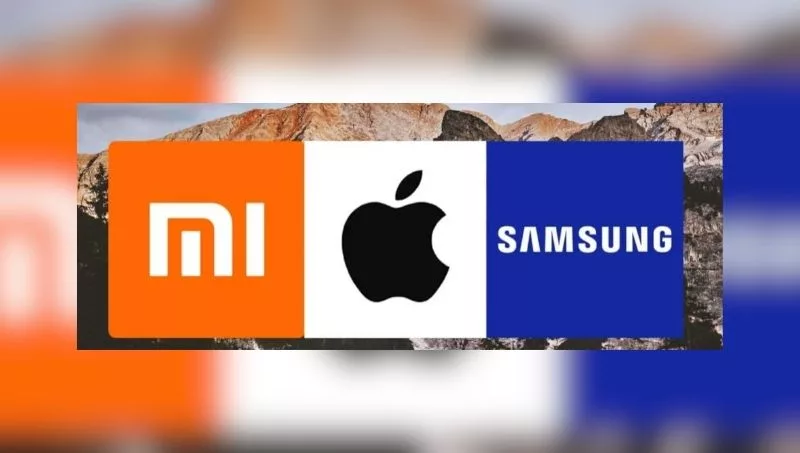
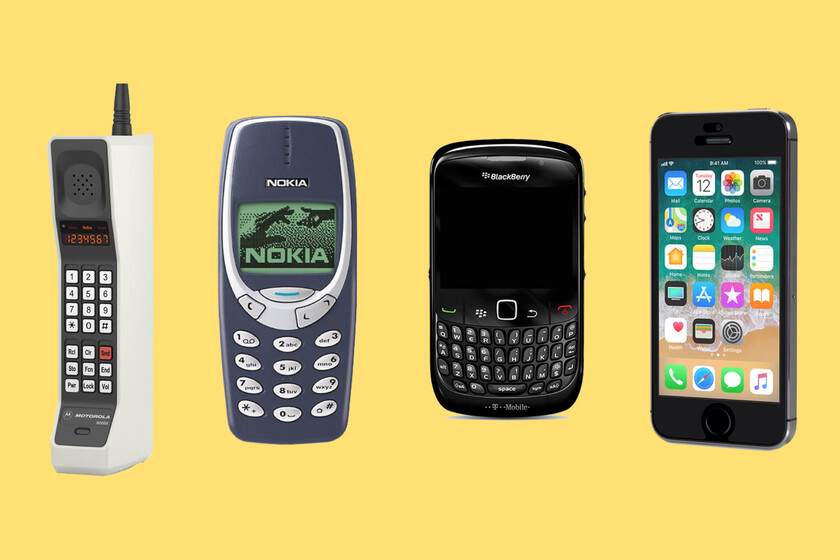
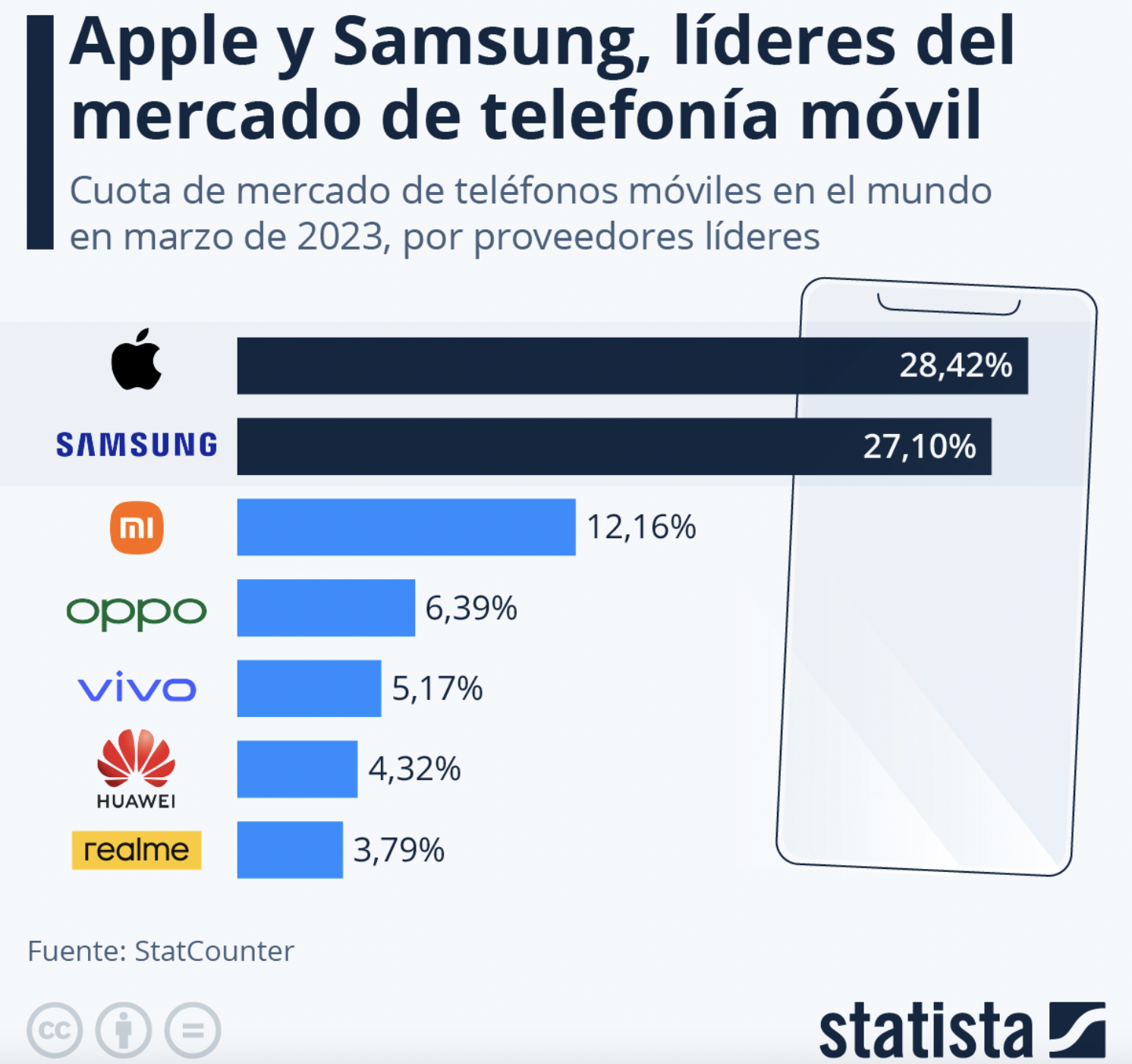
(By Dino Dal Molin, Bizit Global, in co-creation with Marcelo Maurizio) For several years now, Apple and Samsung have led the mobile phone market. As we celebrate the 50th anniversary of the first mobile phone call made by Martin Cooper, it is worth recognizing the significant impact these two companies have had on the industry. From innovative designs to cutting-edge technology, Apple and Samsung have consistently pushed the boundaries of what is possible with mobile devices. 

It will be interesting to see how the market evolves in the coming years and whether new challengers will emerge to disrupt the dominance of these two technological titans. Xiaomi has consolidated its position in third place. What is the distribution of Android and IOS in the world? We share a very interesting and useful report.
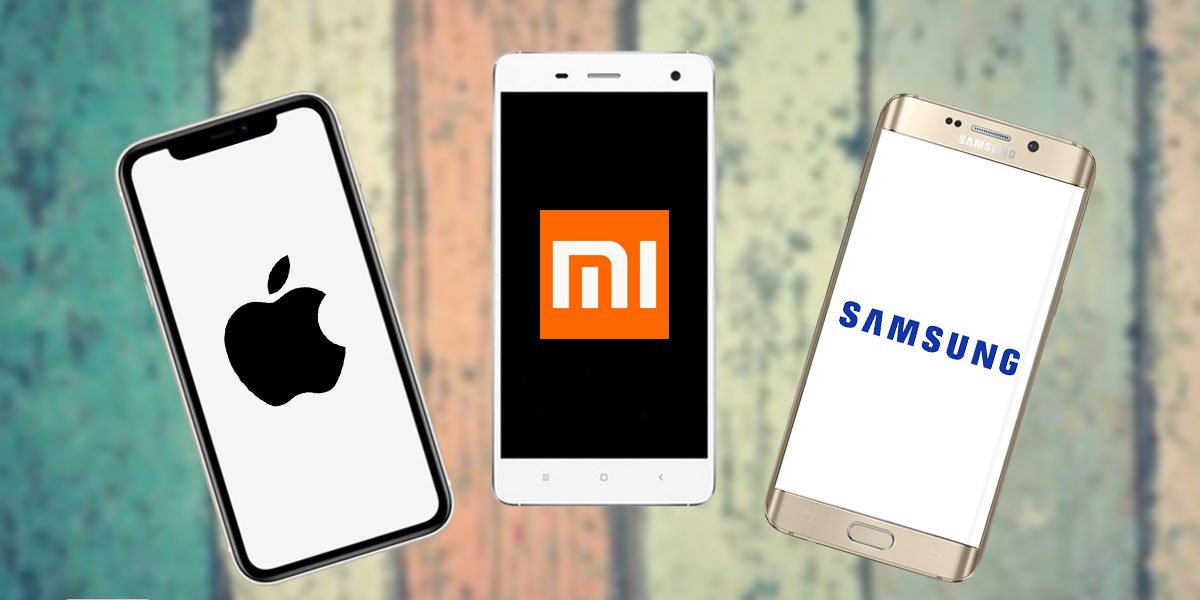
The reason behind the success of these three brands can be attributed to several factors:

Firstly, both manufacturers have achieved great brand loyalty among consumers. Apple has created an iconic brand with its sleek design and innovative features, while Samsung has gained popularity thanks to its wide range of models and advanced technology. Customers trust these brands because they have demonstrated consistency in quality and user experience in their devices.

All information is based on data provided by the prestigious research site (Statista.com)

Secondly, Apple and Samsung have invested a lot of resources in research and development, allowing them to create new products and features. Additionally, both companies have strong control over their software ecosystems, allowing them to seamlessly integrate their devices with other brand products and services. For example, Apple users can access their integrated product and service ecosystem, such as iCloud, Apple Music, Apple Pay, and others.
On the other hand, Xiaomi has managed to enter the competition thanks to its focus on the quality-price ratio. This brand has managed to offer high-quality devices at affordable prices, making it very popular in emerging markets such as India, where Xiaomi is the market leader in mobile phones. In addition, Xiaomi has shown innovation in the design of its devices and user experience, offering unique features and services that attract consumers.

However, competition in the mobile phone market is fierce. Many emerging brands are trying to take a share of the market from Apple and Samsung, such as Oppo, Vivo, Huawei, and Realme. These brands are investing in advertising, marketing, and technology to attract consumers and create a presence in the market. Although these brands do not have the same market share as Apple and Samsung, they are gaining ground and represent a potential threat in the future.
 

It is important to note that the mobile phone market is constantly evolving. Manufacturers must be aware of trends and changes in consumer preferences to remain relevant. Innovation and product quality are key to long-term success in this industry.
Apple and Samsung continue to dominate the global mobile phone market, consolidating their positions as the undisputed leaders in the industry. According to the latest data from StatCounter, as of March 2023, the two technological giants jointly hold over half of the market share (55.52%). Xiaomi ranks a distant third, with a market share of 12.16%.

Oppo, Vivo, Huawei, and Realme complete the top seven global mobile phone providers, each with a significant share of the market. However, it is clear that Apple and Samsung have established themselves as the preferred brands by consumers worldwide.

Tu opinión enriquece este artículo:

Adidas despliega su arma secreta en Londres: el "Hybrid Hotel" (una muestra más de la era del ecosistema-crossing de expansión de categorías)

(Por Maurizio y Rodriguez Otero) Qué más necesitas ver para entender que todo lo que sabías de marketing y del “retorno” quedó absolutamente caduco. "Hybrid Hotel" No es un hotel. Es un manifiesto físico del regreso de la expansión de las experiencias y de categorías a niveles de universos de marca. 

(Tiempo de lectura de valor: 4 minutos)

Marina Corina, análisis estratégico sobre por qué es irrefutable su legitimidad y por qué Maduro es indefendible en todo sentido

(Por Molina-Rovsmistrosky-Maqueda-Maurizio) El Contexto Operacional: Escape Épico y Llegada Triunfal La potencia retórica de las declaraciones de Machado en Oslo se amplifica exponencialmente por el contexto operacional de su presencia: llegó tras viaje clandestino desde Venezuela, donde vivía en clandestinidad rotativa tras amenazas explícitas de prisión por parte del régimen de Maduro.

(Tiempo de lectura de valor: 4 minutos)

El código Kast: cómo la neuropolítica redibuja Chile y el futuro de anglolatina (análisis integral)

(Análisis estratégico, por el equipo de anglolatina: Mauvecin, Molina, Maurizio, Rotmistrosvky, Maqueda, Rodriguez Otero. Dirección: Maurizio) El 58% de Kast no es un giro político casual. Es el primer algoritmo neuro electoral exitoso de LATAM. (Consecuencia del triunfo de Milei en Arg). Descubre el patrón oculto que replicarán 5 países en 24 meses. Análisis estratégico de nivel élite.

(Tiempo de lectura de valor: 4 minutos)

¡River campeón en la Tierra de Messi! La Academia Millonaria gana la Messi Cup (y demuestra muchas cosas más que goles)

(Por Redacción Deportiva Infonegocios Miami, desde la Messi Cup) El equipo Sub-16 del Club Atlético River Plate, dirigido con astucia por Martín Pellegrino, se coronó campeón invicto de la primera edición de la Messi Cup al vencer por 2-0 al Atlético de Madrid en una final vibrante disputada en el Chase Stadium del Inter Miami.

(Tiempo de lectura de valor: 4 minutos)

La Messi Cup en Miami, una planificación estratégica que optimiza el potrero 3.0 y cambia y “limpia” el futuro de las inferiores

(Por el Equipo de Infonegocios Sport (Cánepa-Ortega-Maqueda-Maurizio) Lo que a simple vista parece una anécdota futbolística –River Plate venciendo 2-0 al Atlético de Madrid en la Messi Cup– es, en realidad, la radiografía perfecta de la revolución silenciosa que está reescribiendo el modelo de negocio del fútbol latinoamericano. Ya no se trata solo de ganar copas; se trata de codificar el ADN del futuro fanático global desde los 15 años.

(Tiempo de lectura de valor: 4 minutos)