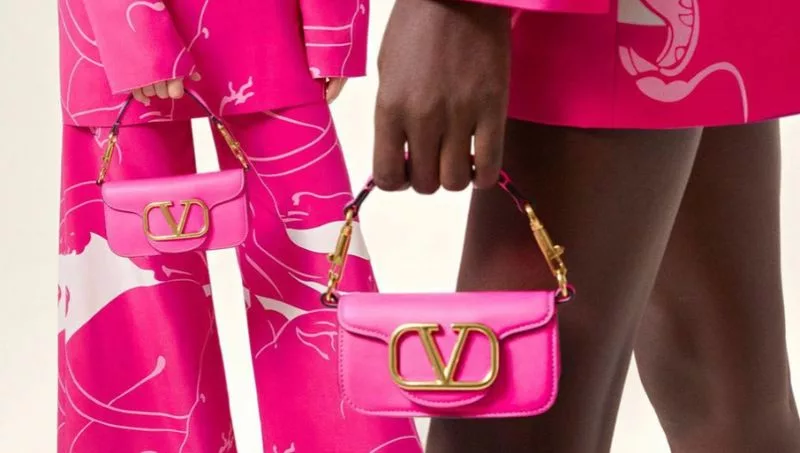
Barbie: how much is the brand worth? The global sensation in the world of marketing

Since its creation in 1959, Barbie has left an indelible mark on popular culture over the last few decades. Its manufacturer, Mattel, has built a massive franchise around the iconic doll, spanning books, comics, video games, TV shows, and movies.

This week marks a significant milestone for the iconic doll, as it will have its first live-action cinematic adaptation starring Margot Robbie as Barbie and Ryan Gosling as Ken, her companion. While the impact of the upcoming release on Mattel's revenues is yet to be determined, the Barbie brand has been a consistent source of profit for the company in the last decade.

According to our data based on Mattel's figures, toy sales experienced a sharp decline starting from 2013, dropping from a global total of USD 6.5 billion in sales to USD 4.5 billion in 2018. Although the pandemic years helped the company recover, there is still ground to cover to reach its former glory.


Statista.com


On the other hand, the Barbie brand managed to surpass the billion-dollar mark until 2018, when sales began to take off again. In 2021, it reached its highest sales value since 2013, raking in USD 1.7 billion worldwide. Brand Finance estimates the value of the Lego brand at nearly USD 7.5 billion, solidifying the Danish company as the most valuable toy brand, with a significant lead. As shown in the following Statista graph, the gap with Bandai Namco, the second-ranked brand, is approximately USD 5.8 billion. The Japanese entertainment group is better known for its video games, but its toy segment boasts numerous popular licenses such as Dragon Ball and Sailor Moon, whose action figures sell in large quantities worldwide. The American company Fisher-Price ranks far behind in third place, with a value close to   USD 880 million.

Statista.com

Although the two most valuable brands hail from Denmark and Japan, the toy industry tends to be dominated by American brands. Seven out of the top ten companies with the highest brand value come from the United States. For instance, Barbie takes the fourth spot with a value of USD 701 million. Over the past 60 years, a true empire has been built around Mattel's flagship doll, which has once again captured everyone's attention thanks to the upcoming live-action cinematic adaptation of Barbie.
Tu opinión enriquece este artículo:

Miami Open 2026: donde el tenis, la cultura y la gastronomía se encuentran

(Por Vera desde el Hard Rock Stadium) Este torneo no es solo uno de los más prestigiosos del circuito ATP y WTA; es una experiencia cultural y gastronómica que atrae a las mejores estrellas del deporte, marcas de renombre y un público entusiasta.

(Lectura de alto valor estratégico, 4 minutos; ideal para compartir y guardar)

Edición especial Apple 50 años: el modelo que el mundo post-COVID está copiando (y por qué Apple lo inventó primero, y no es “tech”)

(Por Maurizio-Rodriguez Otero & Taylor) En 2026, las marcas más vibrantes del planeta están haciendo algo que tiene nombre técnico en la literatura de management actual: expansión de la categoría. No en una línea o en un avance “literal” hacia atrás, en una total redimensión de las formas de relación marca-consumidor. Te lo explicamos. (Y no, ni es imposible, ni es solo para algunas marcas, esto es para todos y hoy). 

(Lectura de alto valor estratégico, 4 minutos; ideal para compartir y guardar)

2026: el verdadero “ecosistema de marca”: mucho más que el “ecosistema de medios” (lo que la mayoría se confunde)

(Por Maurizio-Rodriguez Otero y Maqueda) Hoy en día, el concepto de "ecosistema de marca" ha evolucionado significativamente. Ya no se trata simplemente de un conjunto de medios que apoyan a una marca, sino de un enfoque multidimensional que permite a las marcas crear y ofrecer experiencias inmersivas y significativas. 

(Lectura de alto valor estratégico, 4 minutos de lectura, material idea para compartir)

Edición especial Apple 50 años: el secreto que Steve Jobs nunca publicó y que el Post-COVID está obligando a reescribir a toda marca

(Por Maurizio-Rodriguez Otero & Taylor) Hoy, en un mundo donde la “expansión” de la experiencia es más importante que el producto o el servicio, donde la reinterpretación nos da esta brillante definición: "La innovación no es lo que dices que haces. Es lo que la gente siente cuando te usa." — Steve Jobs, 1997.

(Lectura de alto valor estratégico, 4 minutos; ideal para compartir y guardar)