Why did Russia come forward with this? Is it a desire to provoke conflict?
-
Argentina could experience unprecedented growth on the world stage, but it could also play into the hands of the supremacy of the USA, the West, and paradoxically Israel for many more years.
Let's create a strategic map:
-
- There is a high likelihood of Trump winning the elections.
-
- Milei aligns optimally with Trump and will likely continue a cycle of agreement, similar to how Memen did with Bush.
-
- Milei has declared his excellent relationship with Israel.
-
- Paradoxically, never before could an Argentine president have such a close relationship with the UK.
-
- Argentina is on the path to joining NATO.
-
- Despite tensions, Mauricio Macri, former Argentine president and ally of the current president Milei, has strong ties with much of the Arab world.
-
- Argentina could once again become, as it was a century ago, the absolute leader of South America.
-
- This puts pressure on Brazil, the BRICS, and of course, the positive impact of Western capitalist influences would provide a counterbalance against China, Russia, and the Arab world, to put it in diplomatic terms that are less globalist, more Western-oriented, and opposed to the USA, Europe, and Israel.
-
Now, what if something disrupts this clear geopolitical reality?
-
What would happen to Venezuela and its very insolvent international scheme?
-
Would Argentina and the world resist exploiting such a resource? What new controversy would arise that would inevitably divide opinions among fanatics, environmentalists, idealists, pragmatists, realists, and of course, geopolitical interests?

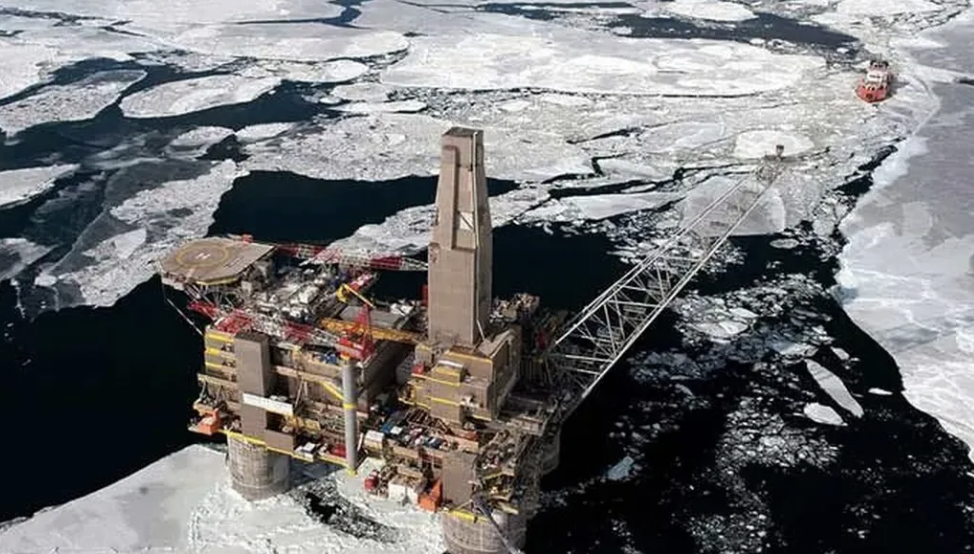
The discovery of this massive oil reserve in Antarctica by Russia has sparked a debate on the feasibility and implications of hydrocarbon exploitation in a region protected by international treaties. Despite existing prohibitions, the revelation of this find has heightened concerns about upholding environmental preservation commitments in the polar region.
When was the discovery of oil in Antarctica made public and what is the magnitude of the reserve found?
In which specific area of Antarctica was the oil located and what is its geographical significance?
Is it possible to amend the Antarctic Treaty to allow for hydrocarbon exploration and what are the implications of this possibility?
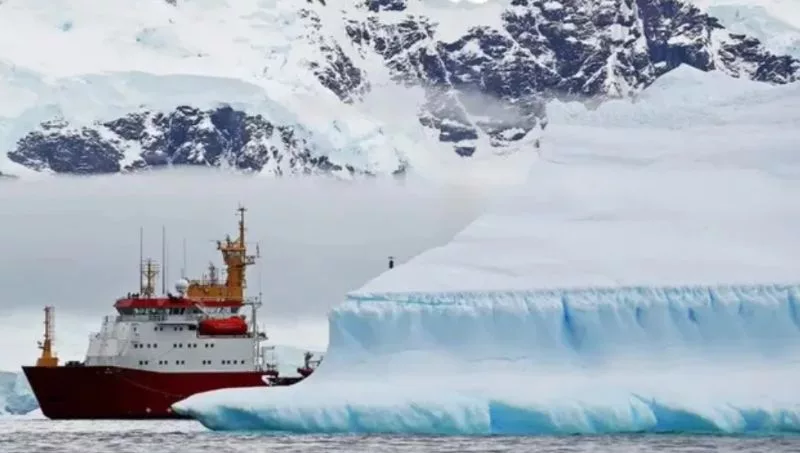
1. The discovery of the oil reserve in Antarctica was announced three days ago when a Russian research vessel reported the presence of 511,000 million barrels of oil, as reported by the British newspaper The Telegraph.
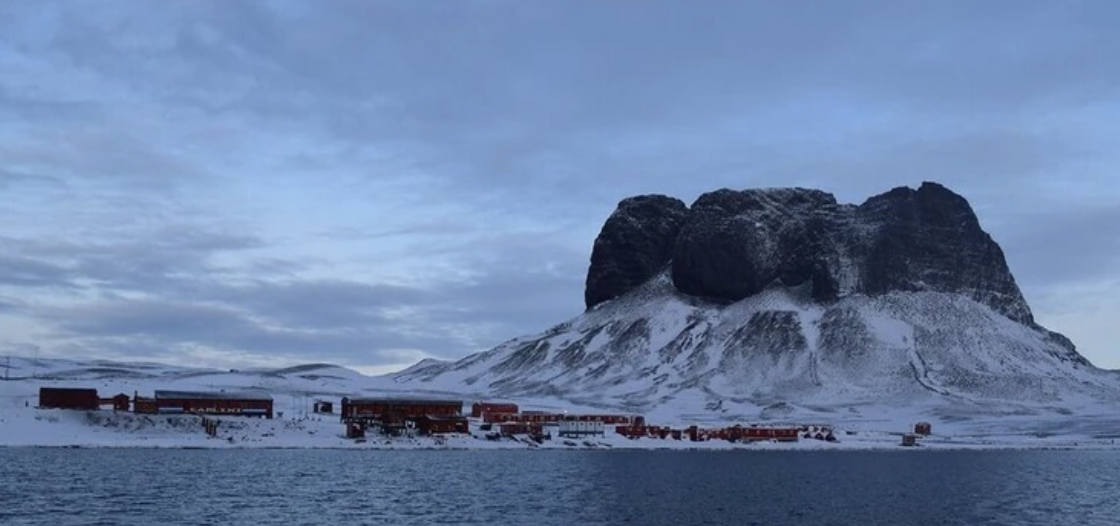
2. The oil was found in the British Antarctic Territory (BAT), which is the largest and southernmost of the UK's 14 overseas territories. This area, covered 99% by ice, has sparked interest and tensions due to its oil potential.
3. Although the 1959 Antarctic Treaty prohibits mining or oil drilling in the region, the possibility of amending it has been the subject of debate. Experts express concerns about the environmental and geopolitical implications of allowing hydrocarbon exploitation in Antarctica, noting that international tensions could compromise the preservation of the polar region.
The discovery of a massive oil reserve in Antarctica raises ethical, environmental, and geopolitical challenges that require an informed and responsible debate. The preservation of this unique and fragile ecosystem should take precedence in any discussion about its potential oil exploitation, considering the long-term implications for the planet and future generations.











Tu opinión enriquece este artículo: