Industry Trends
Mary Barra, CEO of General Motors, acknowledged the EV growth deceleration during a recent earnings conference. GM, among other manufacturers, has scaled back EV production targets due to lower-than-expected demand. Despite this, Barra expressed optimism, aiming for at least a 10% increase in US EV sales this year, up from 7% in 2023.
Ford's Stance
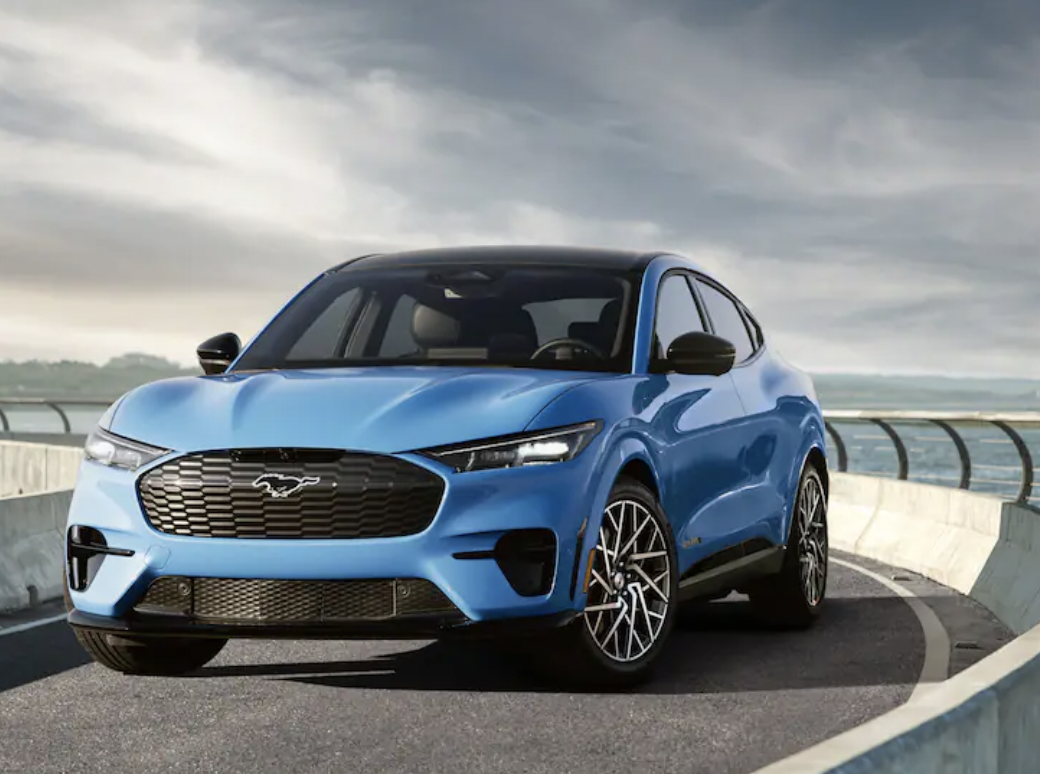
Ford, mirroring GM's strategy, previously trimmed its EV production projections in response to slower growth rates.
Tesla's Challenges
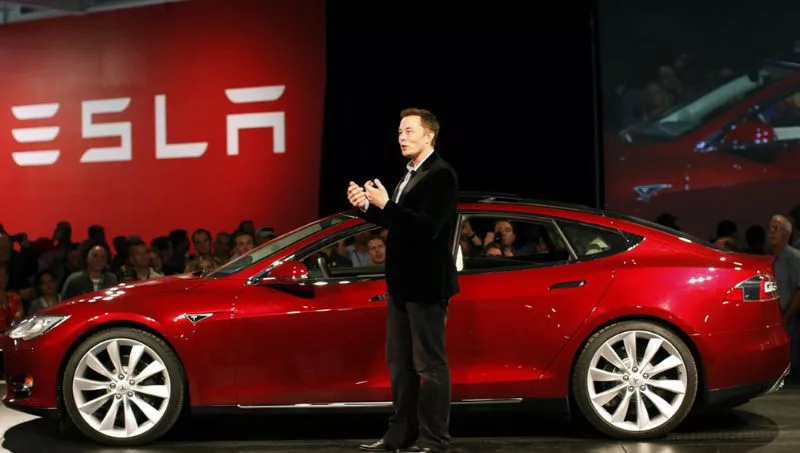
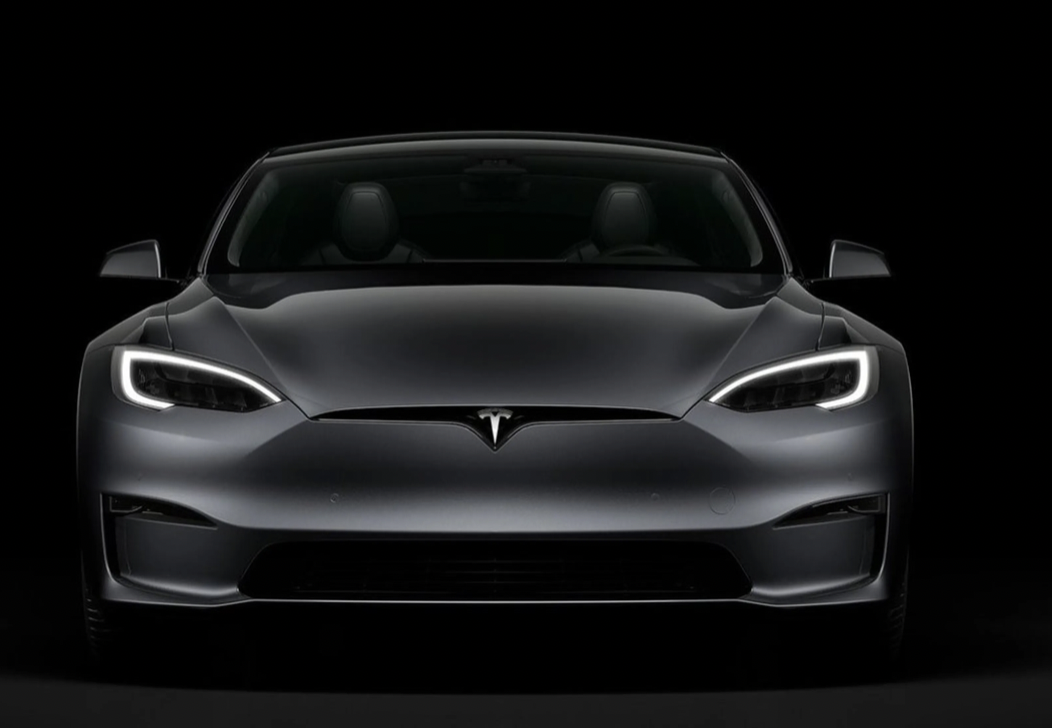
Elon Musk, CEO of Tesla, highlighted short-term challenges, foreseeing a significant sales growth slowdown this year. Tesla's stock valuation dropped by $80 billion amid declining margins and price cuts.
Market Realities
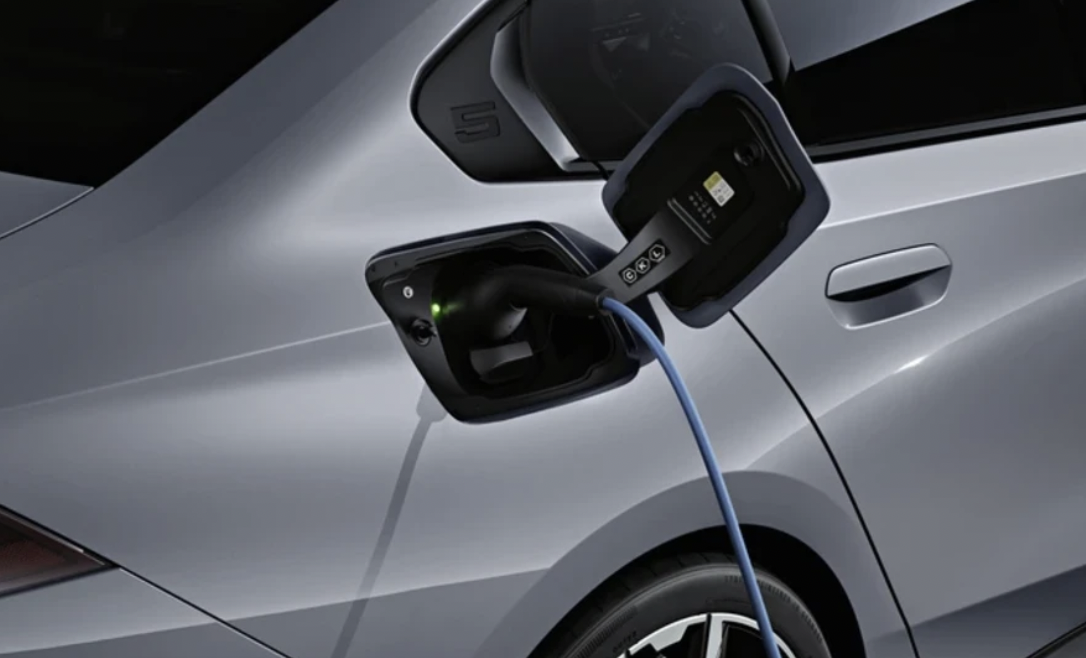
Tim Piechowski from ACR Alpine Capital Research noted consumer anxiety over EV limitations such as charging infrastructure and battery performance in cold climates. He cautioned that the adoption curve might be slower than anticipated.
Supplier Struggles
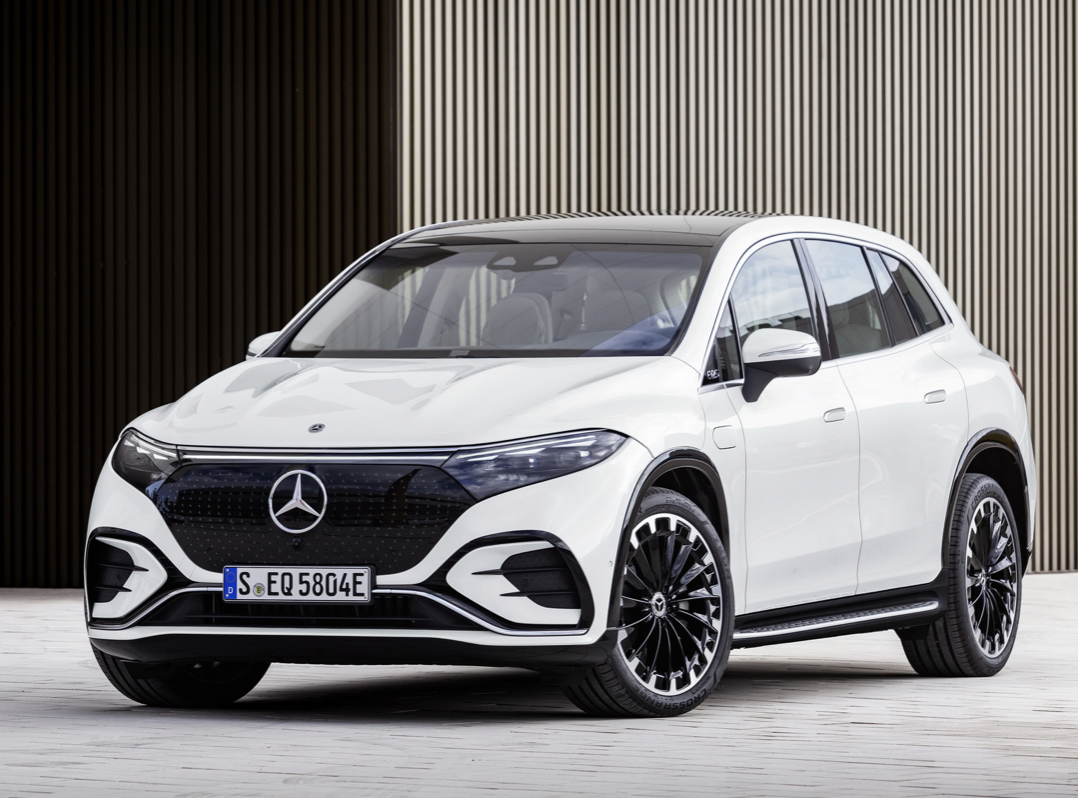
Chinese battery giant CATL and its competitor BYD forecasted lower profit growth due to waning demand and increased competition. This reflects a broader trend of market saturation and excess supply outpacing demand.
Market Analysis
Adam Jonas, an analyst at Morgan Stanley, highlighted a global EV market slowdown, attributing it to oversupply and regulatory challenges.
Alarming Signals
Albemarle, the world's leading lithium producer, announced job cuts and capital expenditure reductions due to plummeting prices, signaling industry-wide adjustments.
Mercedes-Benz's Electric Dilemma
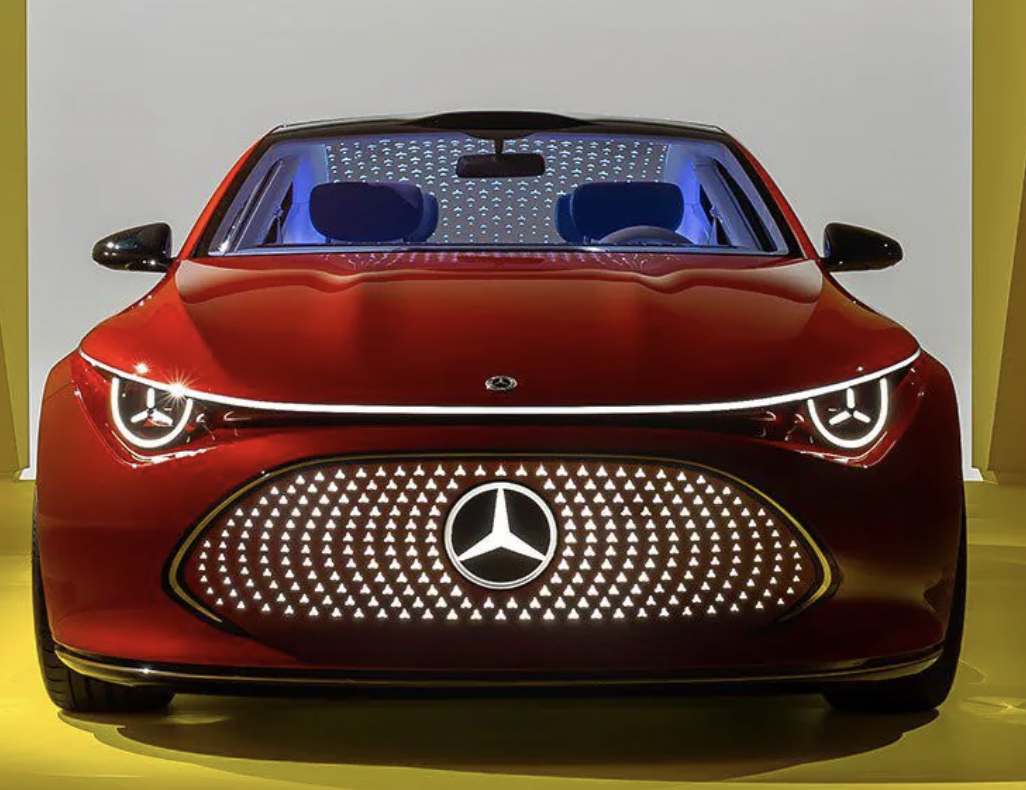
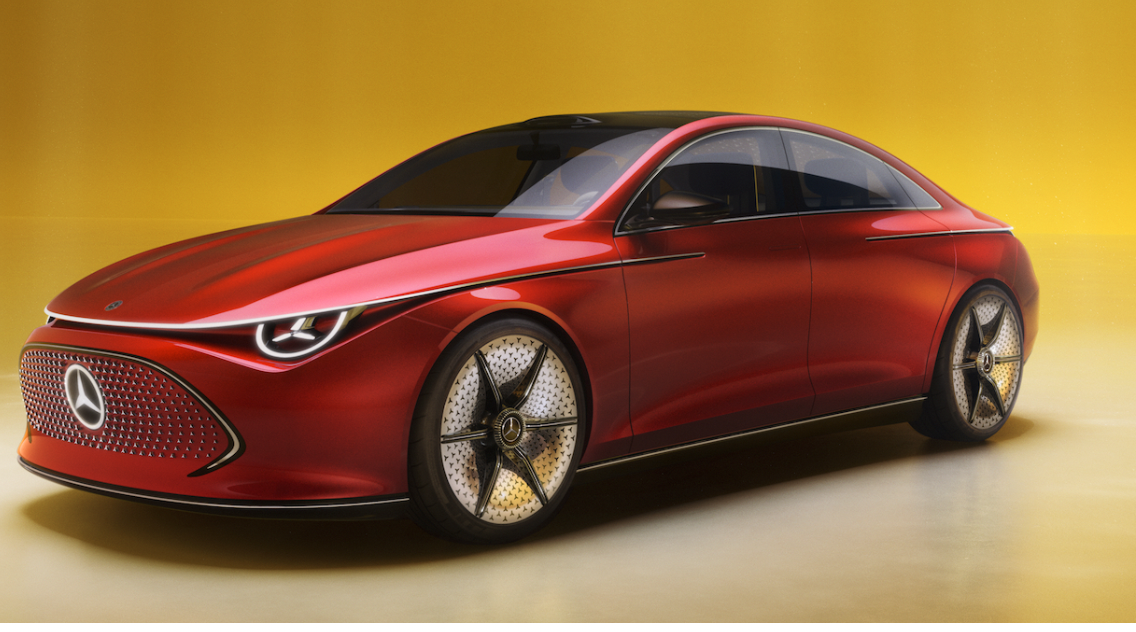
Mercedes-Benz's ambitious plan to exclusively sell electric vehicles by 2030 faces reevaluation. CEO Ola Källenius hinted at maintaining combustion engine options beyond 2030, emphasizing customer demand flexibility and technological leadership.
Market Realignment
Källenius hinted at a potential shift in EU regulations, suggesting that combustion engines might remain available in Europe post-2030, subject to market dynamics and infrastructure readiness.
Realism over Optimism
Mercedes' strategic shift reflects industry realism amid subdued EV sales growth and manufacturing challenges, particularly in key markets like China.
Navigating Market Dynamics
Mercedes confronts the dilemma of maintaining profitability while addressing material sourcing challenges and rising production costs. Despite hurdles, Mercedes aims to sustain its competitive edge while grappling with pricing pressures and supply chain disruptions.
Market Outlook
The future of the European EV market remains uncertain, with shifting consumer preferences, regulatory landscapes, and international trade dynamics shaping industry trajectories.
In summary:
While EVs represent the future of mobility, the industry faces immediate challenges that necessitate strategic recalibration and innovative solutions.
Mercedes-Benz's adaptive approach underscores the complexities of transitioning to an electric future amidst evolving market landscapes.
As Miami gears up for the electric vehicle revolution, industry stakeholders must navigate uncertainties while leveraging opportunities for sustainable growth and innovation.











Tu opinión enriquece este artículo: