Signs of Formula 1's Remarkable Growth:
-
Formula 1 has undergone significant evolution in recent years. With the surge in media coverage and brand interest, it has become a global phenomenon, arguably one of the most notable growth stories of recent times.
The new architects of F1 have employed innovative marketing strategies, immersive real-world experiences, an abundance of phygital actions and themes, product expansion, cross-category initiatives, and co-creations with various forms of entertainment and events. The influx of new sponsor segments has positioned F1 as a prime example of modern management grounded in BRAND CULTURE.
-
The incorporation of advanced technologies, neuroscience, real-time data analysis, and artificial intelligence has transformed the preparation and execution of races.
This not only enhances team performance but also enriches the experience for fans.

Race Summary:
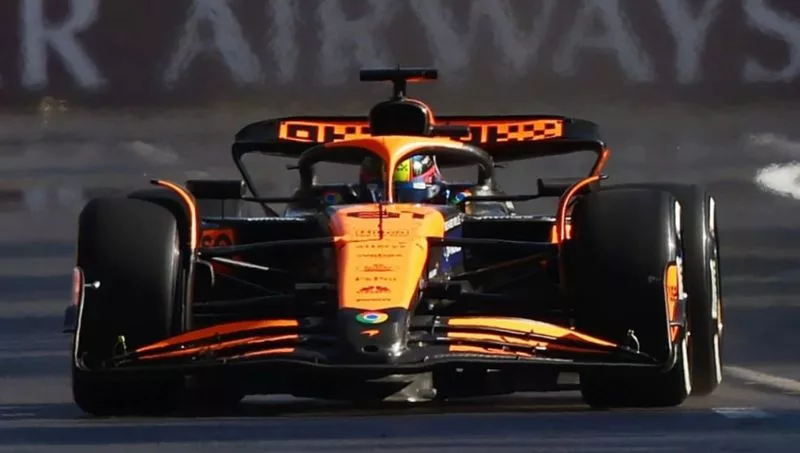
Winner: Oscar Piastri (McLaren) – Second victory of his career.
Franco Colapinto (Arg): Eighth place, securing crucial points.

Context: McLaren positions itself as a leader in the constructors' standings.
And if that weren’t enough:
Highlighted Incident: Collision between Checo Pérez (Red Bull) and Carlos Sainz (Ferrari) at the race's conclusion.

A Context of High Tension
The Azerbaijan GP was thrilling not only for its outcome but also for the intense battles on the track. Oscar Piastri, starting from second position, overtook Charles Leclerc on lap 20 and expertly maintained his lead.
-
Such maneuvers reflect the preparation and training drivers must undergo, where neuroscience and mental conditioning play a critical role. Split-second decisions can determine success or failure.
The collision between Checo Pérez and Carlos Sainz served as a stark reminder that the pressure in Formula 1 is unparalleled. Both drivers were fiercely contesting third place when, in an unexpected turn, they collided, allowing George Russell to ascend to the podium.
-
These incidents are not merely part of the spectacle; they also evoke emotional responses from spectators, immersing them in the adrenaline of competition.

-
IG: @infonegociosmiami



The Rise of McLaren
Piastri's victory and the commendable performance of his teammate Lando Norris, who finished fourth after starting from fifteenth, solidify McLaren as a formidable contender this season.
-
McLaren has overtaken Red Bull in the constructors' standings, marking a historic shift not seen since 2014. This resurgence has been fueled by a blend of technical ingenuity and a team mentality that prioritizes unity and collective effort.

As noted by neuroscientists and neuromanagement experts, the emotional connection teams foster with their followers can be a decisive factor in performance.
Emotions play a crucial role in consumer loyalty, and McLaren has adeptly capitalized on this connection. As fans engage more deeply with the team, their support translates into superior on-track performance.

The Impact of New Talent
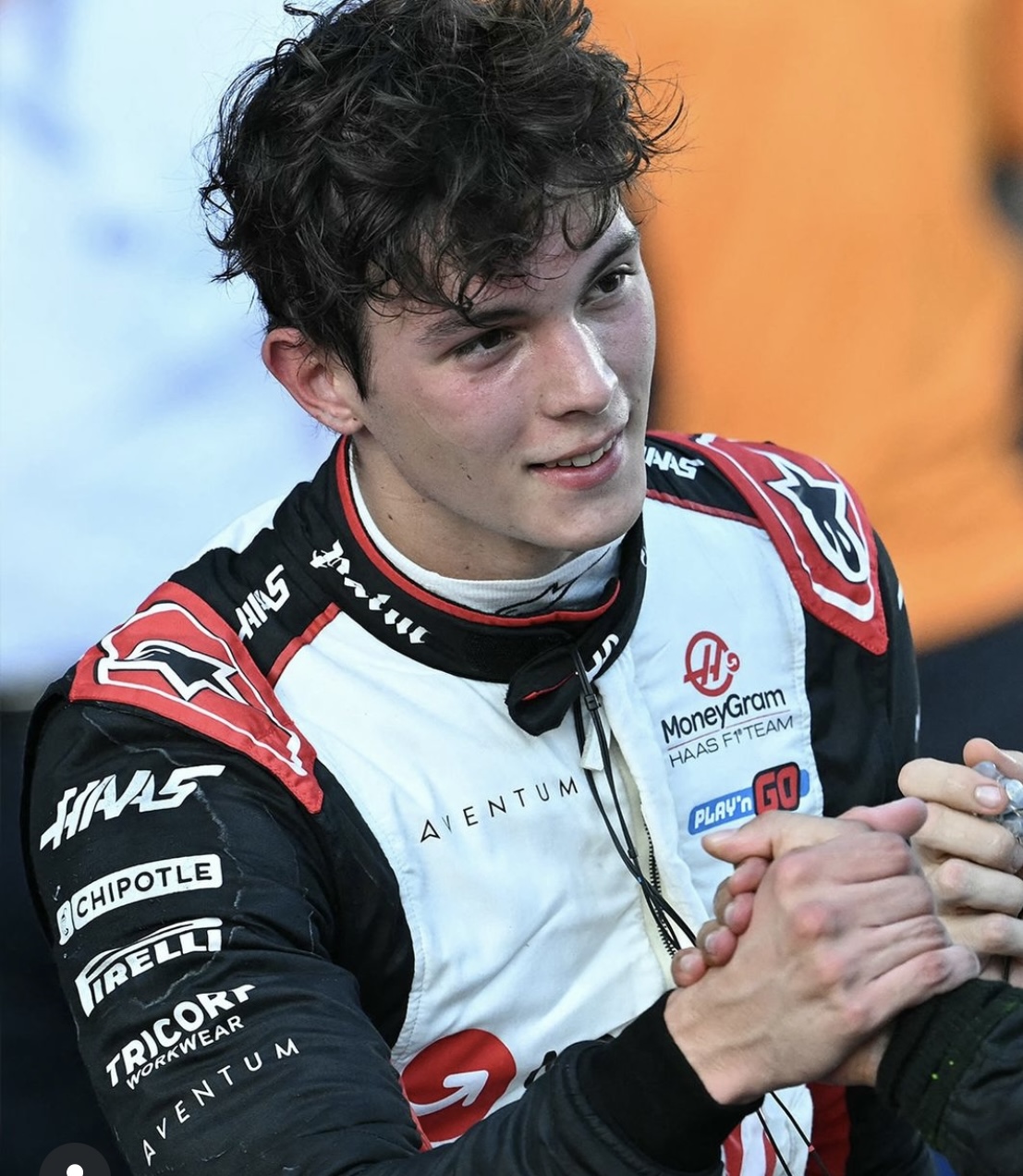
Franco Colapinto, the young Argentine driver, also made his mark in this race, finishing in a commendable eighth place. In his second outing in Formula 1, Colapinto showcased maturity and skill on a circuit that presented significant challenges.
His ability to maintain composure and seize opportunities, such as the collision between Sainz and Pérez, is a testament to the emerging talent in F1. This new generation of drivers is elevating the competitive landscape, attracting a broader and more diverse audience.

-
Registrate sin cargo, y recibe el newsletter solo dejando tu mail y nombre aquí.
-
Sign Up for Free: Register and receive our newsletter by simply leaving your email and name here. (https://infonegocios.miami/suscribite-al-newsletter)
Infonegocios RED: 4.5 Millones de anglolatinos leyendo diariamente las noticias del mundo de los negocios
Infonegocios RED: 4.5 million Anglophone Latinos reading business news daily.
Contacts: [email protected] or [email protected]










Tu opinión enriquece este artículo: