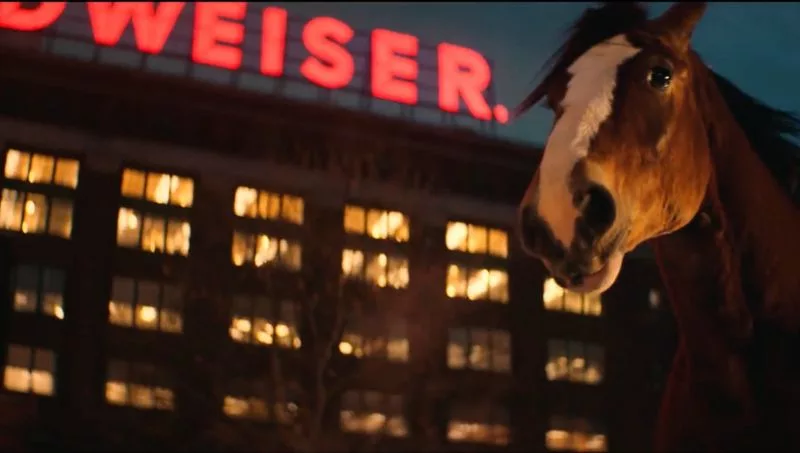
Florida and the USA categorically reject BUD LIGHT's campaign

(By Juan Maqueda y Marcelo Maurizio, from Miami) The advertising campaign featuring a transgender activist as the face of Bud Light has caused a 3% drop in the stock price of its parent company, Anheuser Busch. Bud Light's decision to use a transgender activist as its brand image has resulted in a costly mistake. The beer company has lost $4 billion in market capitalization in just a few days, and the stock price is likely to continue falling. Reports in specialized media this week confirm that the sales drop due to the consumer boycott is still down 17%.

Although the campaign caused a 50% drop in sales when it first came out, and despite Bud Light's quick response with a new counter-campaign featuring traditional and typical American-style spots, the massive response from consumers, both in Florida and across the USA, was: "We don't believe you, it's too late."

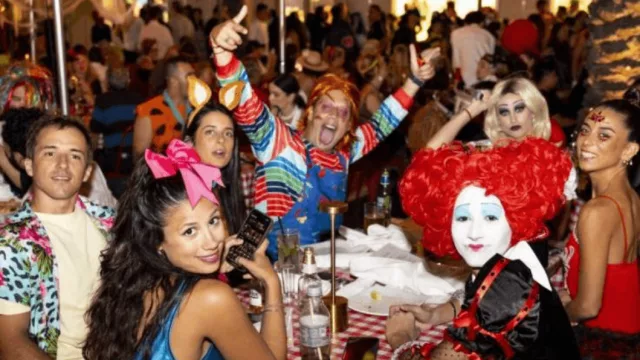
The brand intended to change its target audience and appeal to young partygoers, but the decision has been a complete disaster for the company and has sparked a furious reaction among its customers. While many companies are currently taking an ideological position, some market observers believe that insulting customers with "woke" messages in advertising promotions is not an effective strategy. Instead, companies risk facing negative campaigns, harassment, and protests if they take a stand against ideological pressure groups. Despite this, ideological independence is no longer an option that comes for free. Bud Light's advertising campaign has been considered by many to be a complete disaster for the company and has generated a boycott against the brand.

The advertising campaign sought to change Bud Light's target audience, which is typically consumed predominantly by young people looking for a quick drunkenness without great pretensions in terms of taste and with a low budget. However, the ad featuring Dylan Mulvaney, a transgender activist pretending to be a teenager, has been met with outrage by many consumers. The brand has been accused of insulting its users in its advertising promotions, and many customers have decided to boycott the brand.

What happened?

 Singer Kid Rock uploaded a video to social media in which he is seen shooting at stacked boxes of Bud Light with an MP5 before turning to the camera and saying "fuck Bud Light." The video has been viewed more than 51 million times on Twitter alone. This shows that the advertising campaign has had a negative effect on the brand and its reputation.

But what few are saying is that there were thousands of videos imitating KID ROCK. In addition, there were thousands and thousands of responses against the campaign, both with the influencer and with the new campaign (which we will show you next week), where the public thinks it's a mockery to change from one extreme to another.

What is BUD saying now? 

The brand's new vice president, Alissa Heinerscheid, has publicly commented on the decision to include Mulvaney in the latest advertising campaign, attacking the brand's reputation and core customers for being "frat boys" and allowing customers to drink while enjoying "offensive humor." These types of comments have only fueled the flame of outrage and increased the boycott of the brand.

It is important to note that many companies are currently being pressured by ideological pressure groups to take aggressive stances on progressive issues, in a strict application of "either you're with us or against us." However, this does not mean that brands should sacrifice their customer base and risk a drop in market capitalization.

The big lesson:

 It is important for brands to be authentic and connect with their target audience in a positive and respectful way. Advertising campaigns must be carefully planned and executed to avoid costly mistakes like the one Bud Light made.

But above all, the big lesson is that the hyper-speed of certain actions is usually only a sign of the lack of solidity in solid

Tu opinión enriquece este artículo:

American Airlines invierte US$ 1.000 millones que revolucionará el Aeropuerto Internacional de Miami (hasta el infinito y más allá)

(Por Taylor, con Maqueda, edición Maurizio) En una jugada que promete transformar el panorama de las aerolíneas y los viajes internacionales en Estados Unidos, American Airlines ha anunciado una inversión de USD $1,000 millones destinada a la ampliación de la terminal D del Aeropuerto Internacional de Miami (MIA). 

(Lectura de valor, 4 minutos de lectura, material idea para compartir)

El mundo analiza el “algoritmo Messi”: cómo Inter Miami convirtió un 0-2 en un éxito en todo sentido (el verdadero negocio es la remontada)

(Por Ortega - desde Orlando -, con Maurizio) En la MLS 2026, ganar un clásico no es solo sumar tres puntos: es dominar la conversación. Y eso fue exactamente lo que hizo Inter Miami en Orlando: pasó de un 0-2 en media hora a un 4-2 que reescribe el Clásico de Florida y, sobre todo, deja una señal estratégica para toda la liga

(Lectura de valor, 4 minutos de lectura, material idea para compartir)

Superstar 2.0: Adidas Originals reescribe la cultura streetwear con una hiper campaña global que trasciende el fútbol (Miami queda fascinada)

(Por Maurizio y Maqueda) Campaña cinematográfica dirigida por Thibaut Grevet y protagonizada por figuras globales de música, moda y deporte: Samuel L. Jackson (narrador), Kendall Jenner, Jennie de BLACKPINK, Lamine Yamal, Baby Keem, James Harden, Tyshawn Jones y Olivia Dean.

(Lectura de valor, 4 minutos de lectura, material idea para compartir)

El código del Ormuz, la apuesta detrás del barril de crudo a US$ 100

(Por Mauvecin, Maurizio y Taylor) Cuando los titulares gritan sobre el estrecho de Ormuz, la mayoría piensa en un mapa, barcos y un cuello de botella. Lo que solo el 0.5% de las mentes estratégicas procesa es que estamos ante el mayor juego de póquer geopolítico desde la Crisis de los Misiles de Cuba, pero con crudo, drones y algoritmos financieros como fichas. 

(Lectura de valor, 4 minutos de lectura, material idea para compartir)

El futuro del branding en la era de la hiper saturación: McDonald's Nueva Zelanda y un ejemplo que es escuela para todos

(Por Rodriguez Otero y Maurizio) Desde McDonald 's hasta Apple, la necesidad de innovación en branding nunca ha sido más crítica. En este entorno, es esencial que las marcas no solo se adapten, sino que también lideren con estrategias audaces y creativas. Entonces que le queda al resto del universo de marcas… solo hacer mucho más de lo que están haciendo hasta ahora y con una estrategia de ecosistema crossing. 

(Lectura de valor, 4 minutos de lectura, material idea para compartir)

Coca-Cola Argentina lanza latas Mundial 2026 que arrasan entre los hinchas y los kioscos (y contesta a Coca-Cola Brasil)

(Por Maqueda y Maurizio) A 100 días del mundial, las marcas tienen que hacer mucho más que otros mundiales, las que sean sponsor y las que no. Coca-Cola Argentina (algo así como la Coca Cola campeona del mundo), tiene una gran responsabilidad, acaba de lanzar una edición limitada de 5 latas coleccionables para conmemorar el Mundial 2026, con un diseño que fusiona el clásico rojo de la marca y grafismos en azul y blanco.

(Lectura de valor, 4 minutos de lectura, material idea para compartir)

La mansión del futuro: te mostramos de forma exclusiva el interior de la nueva residencia de Zuckerberg y Chan en Miami

(Por Taylor, con la colaboración de Vera y Maurizio) Te mostramos el diseño más rupturista y fusión que hayas visto. La reciente adquisición de Mark Zuckerberg y Priscilla Chan de una mansión en construcción en Indian Creek Island ha puesto a todos los ojos sobre el mercado inmobiliario de lujo en Miami. 

(Lectura de valor, 4 minutos de lectura, material idea para compartir)