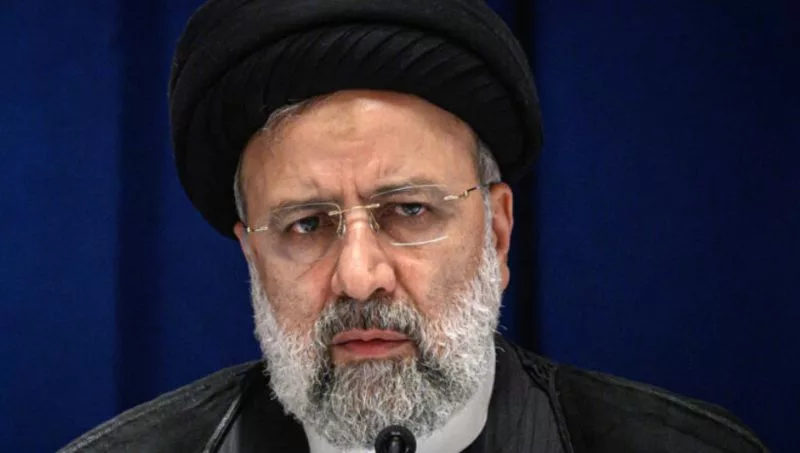
Raisi was traveling to the city of Tabriz in the northwest of the country, having returned from an event at the Iran-Azerbaijan border, according to local media reports.

Insights In:
Reports detail that the helicopter carrying President Raisi and his entourage experienced a forced landing due to adverse weather conditions, triggering a tragedy that has shaken the power structures in Iran.
Political and economic uncertainty looms over the nation as the world watches closely the unfolding events.
Summary of Events:
Rescue and repercussions of the helicopter accident in Iran
-
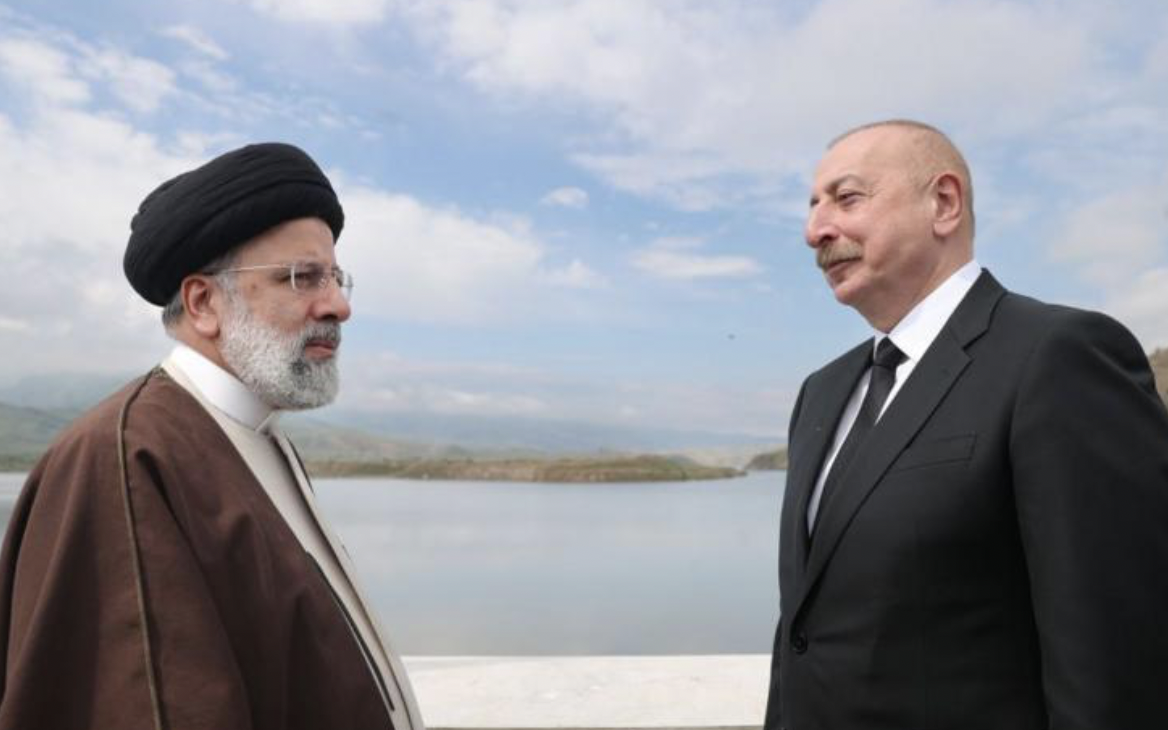
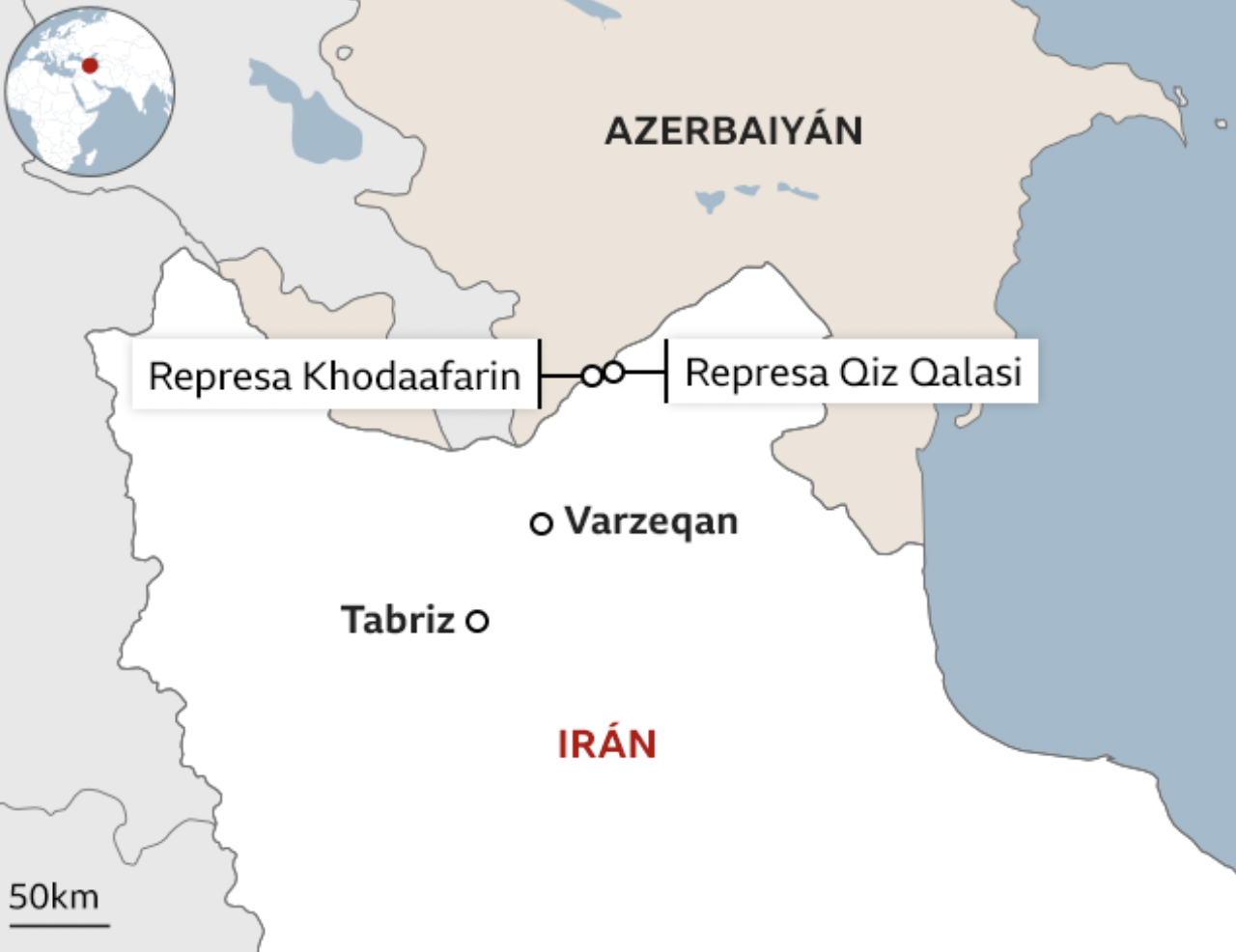
According to local media, President Raisi was heading towards Tabriz after returning from the Azerbaijan border, where he inaugurated the Qiz Qalasi and Khodaafarin dams.
In a tragic turn of events, the President of Iran, Ebrahim Raisi, lost his life in a helicopter accident along with the Minister of Foreign Affairs, Hossein Amir-Abdollahian, and seven others. The rescue team faced challenges due to harsh weather conditions, with dense fog hampering search and rescue operations.
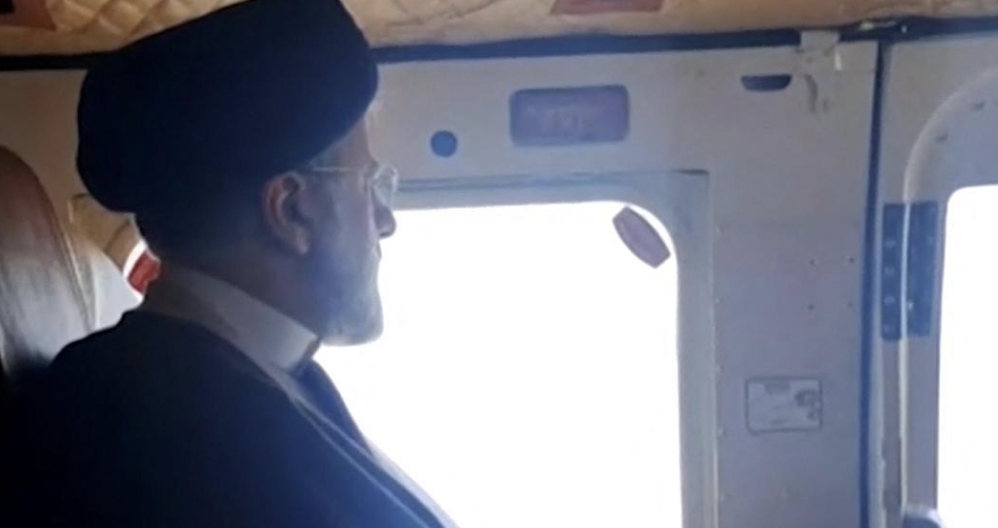
The rescue area is located about 50 km north of Tabriz, in northwest Iran.
The helicopter's forced landing occurred in the midst of dense fog in the northern part of the country, with no "signs of life" according to state television reports. Iran's Supreme Leader, Ayatollah Ali Khamenei, has announced five days of mourning and appointed Mohammad Mokhber as interim president.
Raisi's passing has shocked the international community, with leaders from various nations expressing their condolences. Russian President Vladimir Putin described Raisi as a "true friend of Russia," while Chinese President Xi Jinping remembered him as a "good friend" of the Chinese people. Allies such as Turkey, Pakistan, and Venezuela have also expressed their sorrow over this loss.
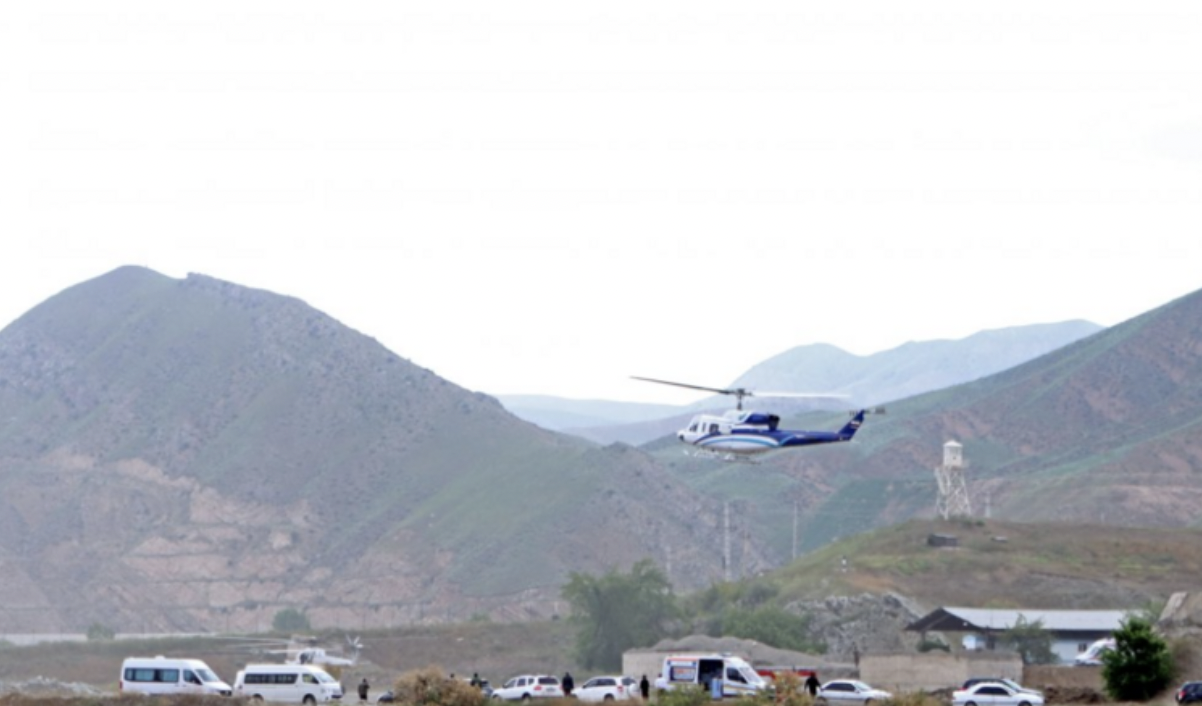
Iranian lawmaker Ahmad Alirezabeigi from the city of Tabriz told the media in Tehran that the other two helicopters in the convoy landed without any issues.
What impact does this accident have on the world:
-
What will be the immediate political impact in Iran following Raisi's sudden disappearance?
-
How will this tragic event affect the region's international relations?
-
What economic implications are expected following the Iranian president's death?
The disappearance of Ebrahim Raisi, known for his ultraconservative stance, raises questions about the future of leadership in Iran and the region's stability. Despite his political profile, key decisions will continue to rest in the hands of the Supreme Leader and the Islamic Revolutionary Guard Corps, maintaining continuity in the country's direction.
Following the tragic news, the Iranian currency experienced a decline against the dollar, which could impact the country's economy. Meanwhile, the European Union expressed its condolences for the deaths, although there have not been many reactions from Western leaders yet.
-
In this context, Iran's political and economic stability could be affected by Raisi's loss, a conservative leader with close ties to Ayatollah Khamenei. Although his figure was important in the Iranian political scene, the key decision-making has always been in the hands of the Supreme Leader and the Islamic Revolutionary Guard Corps.
The death of Ebrahim Raisi in the helicopter accident has generated shock internationally and raises questions about Iran's political and economic future. As the country faces this moment of mourning, the international community closely watches the events in this geopolitically significant nation.









Tu opinión enriquece este artículo: