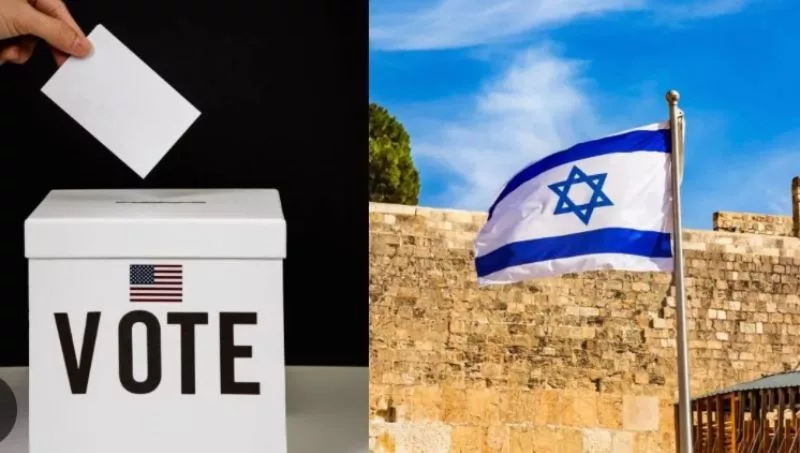

How Does the Jewish Community Vote in Miami and Across the USA?

(By Mary Molina and Maurizio) The Jewish vote in the United States is a crucial component of the electoral landscape, and its influence has been evident in multiple elections throughout history. This demographic tends to be highly engaged in politics, with a historical pattern of predominantly supporting Democratic candidates. However, the dynamics can vary depending on several factors, including the candidates' policies, international relations, and specific social issues.


Historical Trends

Historically, American Jews have favored Democrats, especially since the 1930s, when Franklin D. Roosevelt's New Deal helped solidify their support for the Democratic Party. In recent elections, this support has been significant, though with nuances reflecting specific concerns, such as policies towards Israel and civil rights.



Influence in Elections

The Jewish vote has proven decisive in key elections. For instance, in the 2020 election, Joe Biden received about 77% of the Jewish vote, while Donald Trump garnered roughly 30%. However, in the context of the 2024 election, polls indicate that 72% of Israeli Jews prefer Trump, reflecting a divide that could influence the voting behavior of American Jews, especially in swing states.

72% of Israeli Jews Prefer Trump Over Harris, While Palestinians See No Difference.

According to a poll released Monday by the Israel Democracy Institute, 72% of Israeli Jews believe that Republican presidential candidate Donald Trump will be better for Israel's interests than Democrat Kamala Harris. In contrast, 46% of Palestinian citizens of Israel claim there are no significant differences between the two.
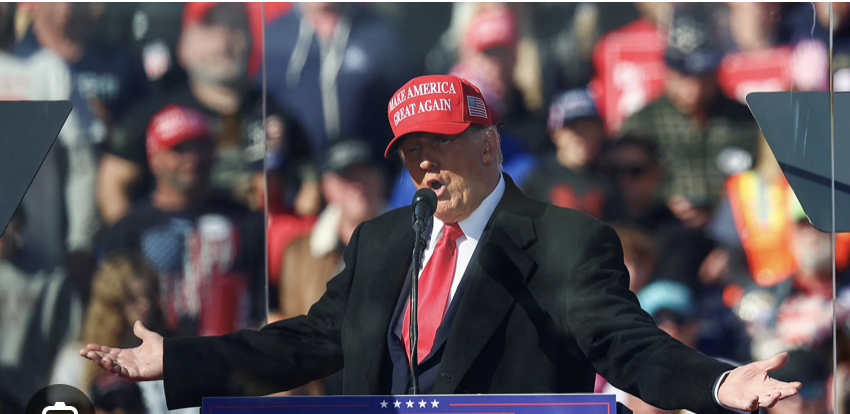



On the left, 42% of Jewish respondents think Harris would benefit Israel, compared to 29% who support Trump. Meanwhile, among right-leaning respondents, 90% favor Trump, with only 3% backing Harris.

Reasons for Voting Shifts

Policy Towards Israel: A candidate's relationship with Israel is one of the most influential factors in the Jewish vote. Many American Jews view Israel as a central issue, and promises of military and diplomatic support can tip the scales in favor of a candidate.

Social Issues: Topics like civil rights, abortion, and social justice also play a significant role. Candidates who effectively address these issues and align with Jewish community values tend to receive stronger support.
 

Identity and Community: Cultural and religious identification also affects voting decisions. In times of rising antisemitism or international events impacting the Jewish community's perception, voters may reassess their political priorities.

Considerations for 2024

With the 2024 electoral contest on the horizon, the Jewish vote emerges as a critical factor. Political polarization and diversity within the Jewish community mean there is no single monolithic bloc. Current polls suggest that concerns about the economy and the country's direction are also influencing how American Jews might vote.

Both candidates' campaign strategies will need to account for these dynamics to garner support from this group, which, while historically favoring Democrats, shows signs of fragmentation and shifting loyalties.

In summary, the Jewish vote is significant not only for its size but also for its ability to influence electoral narratives and outcomes. Addressing their concerns and values will be essential for any candidate aiming to succeed in an increasingly competitive and complex political landscape.



  • Infonegocios RED: 4.5 million Anglophone Latinos reading business news daily.

  • Sign Up for Free: Register and receive our newsletter by simply leaving your email and name here.


Tu opinión enriquece este artículo:

American Airlines invierte US$ 1.000 millones que revolucionará el Aeropuerto Internacional de Miami (hasta el infinito y más allá)

(Por Taylor, con Maqueda, edición Maurizio) En una jugada que promete transformar el panorama de las aerolíneas y los viajes internacionales en Estados Unidos, American Airlines ha anunciado una inversión de USD $1,000 millones destinada a la ampliación de la terminal D del Aeropuerto Internacional de Miami (MIA). 

(Lectura de valor, 4 minutos de lectura, material idea para compartir)

American Airlines le da otro vuelo a MIA (Miami Internacional Airport)

(Por Taylor, edición Maurizio) La aerolínea ha anunciado una inversión monumental de USD $1,000 millones para la ampliación de la terminal D en el Aeropuerto Internacional de Miami (MIA), un proyecto previsto para iniciar en 2027 que promete transformar radicalmente la experiencia del viajero.

(Lectura de valor, 4 minutos de lectura, material idea para compartir)

Netflix anuncia al mundo que se cae la compra de Warner (y quizás la operación de crossing media más importante de la historia de los medios)

(Redacción Miami) El comunicado oficial de Netflix: “Creemos que habríamos sido grandes administradores de las icónicas marcas de Warner Bros. y que nuestro acuerdo habría hecho crecer la industria del entretenimiento, al mismo tiempo que preservaría y crearía más empleos de producción en Estados Unidos”.

(Lectura de valor, 4 minutos de lectura, material idea para compartir)

El código del Ormuz, la apuesta detrás del barril de crudo a US$ 100

(Por Mauvecin, Maurizio y Taylor) Cuando los titulares gritan sobre el estrecho de Ormuz, la mayoría piensa en un mapa, barcos y un cuello de botella. Lo que solo el 0.5% de las mentes estratégicas procesa es que estamos ante el mayor juego de póquer geopolítico desde la Crisis de los Misiles de Cuba, pero con crudo, drones y algoritmos financieros como fichas. 

(Lectura de valor, 4 minutos de lectura, material idea para compartir)

El mundo analiza el “algoritmo Messi”: cómo Inter Miami convirtió un 0-2 en un éxito en todo sentido (el verdadero negocio es la remontada)

(Por Ortega - desde Orlando -, con Maurizio) En la MLS 2026, ganar un clásico no es solo sumar tres puntos: es dominar la conversación. Y eso fue exactamente lo que hizo Inter Miami en Orlando: pasó de un 0-2 en media hora a un 4-2 que reescribe el Clásico de Florida y, sobre todo, deja una señal estratégica para toda la liga

(Lectura de valor, 4 minutos de lectura, material idea para compartir)

Coca-Cola Argentina lanza latas Mundial 2026 que arrasan entre los hinchas y los kioscos (y contesta a Coca-Cola Brasil)

(Por Maqueda y Maurizio) A 100 días del mundial, las marcas tienen que hacer mucho más que otros mundiales, las que sean sponsor y las que no. Coca-Cola Argentina (algo así como la Coca Cola campeona del mundo), tiene una gran responsabilidad, acaba de lanzar una edición limitada de 5 latas coleccionables para conmemorar el Mundial 2026, con un diseño que fusiona el clásico rojo de la marca y grafismos en azul y blanco.

(Lectura de valor, 4 minutos de lectura, material idea para compartir)

El futuro del branding en la era de la hiper saturación: McDonald's Nueva Zelanda y un ejemplo que es escuela para todos

(Por Rodriguez Otero y Maurizio) Desde McDonald 's hasta Apple, la necesidad de innovación en branding nunca ha sido más crítica. En este entorno, es esencial que las marcas no solo se adapten, sino que también lideren con estrategias audaces y creativas. Entonces que le queda al resto del universo de marcas… solo hacer mucho más de lo que están haciendo hasta ahora y con una estrategia de ecosistema crossing. 

(Lectura de valor, 4 minutos de lectura, material idea para compartir)