
(Maurizio and Maqueda)
McDonald’s Plays Its World Cup: 32 Years of the Most Nostalgic, Viral, and Profitable Branding Activation in Global Football
This isn’t a metaphor. It’s one of the smartest marketing moves on the road to the 2026 World Cup. McDonald’s, FIFA’s official sponsor since 1994, marks 32 years of uninterrupted partnership with the planet’s most-watched tournament. And instead of resting on tradition, it chose to reinvent it. The question every brand should ask is: how do you stay relevant in a three-decade alliance without becoming predictable? The golden-arches answer is brilliant: nostalgia + global figures + collectability + scheduled scarcity.
The Creative Concept: Stars as Customers, Not Idols
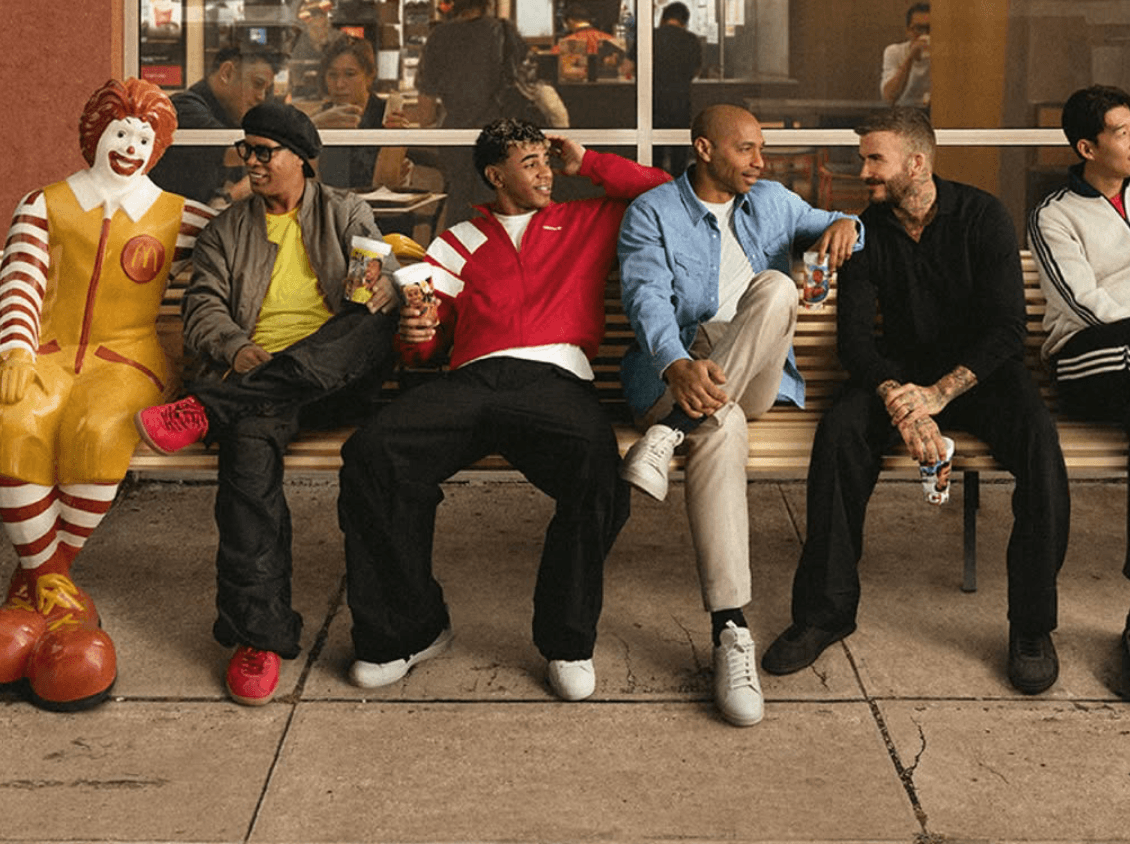
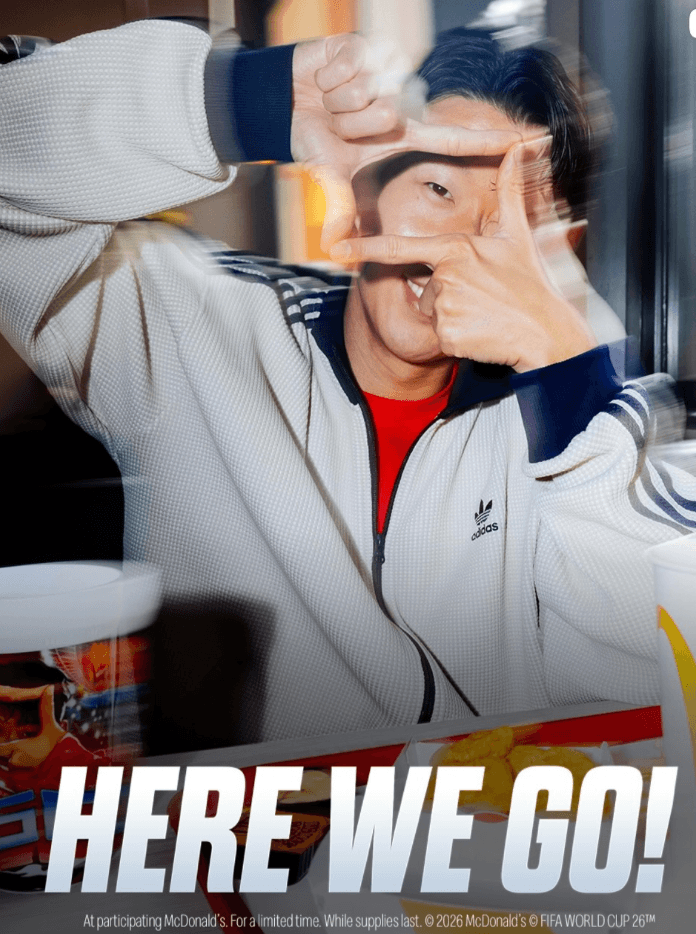
The global campaign, crafted by legendary agency Wieden+Kennedy — the same team behind Nike’s Just Do It — breaks the traditional sports marketing code. The twist? Superstars aren’t shown lifting trophies or scoring goals. They appear as regular customers, lining up, ordering their combo, like the rest of us.
Here’s the key neuroscientific insight: the human brain connects more with proximity than with idol worship. Seeing Beckham order nuggets elicits more empathy and brand desire than seeing him on a magazine cover. It’s the humanization of a legend. Pure neuromarketing applied.
The A-List Cast:
-
Lamine Yamal (Spain)
-
Ronaldinho (Brazil)
-
David Beckham (England / Inter Miami)
-
Thierry Henry (France)
-
Son Heung-min (South Korea)
-
Christian Pulisic (USA)
-
Santiago Giménez (Mexico)
-
Alphonso Davies (Canada)
-
Grimace (yes, the character has his own moment)
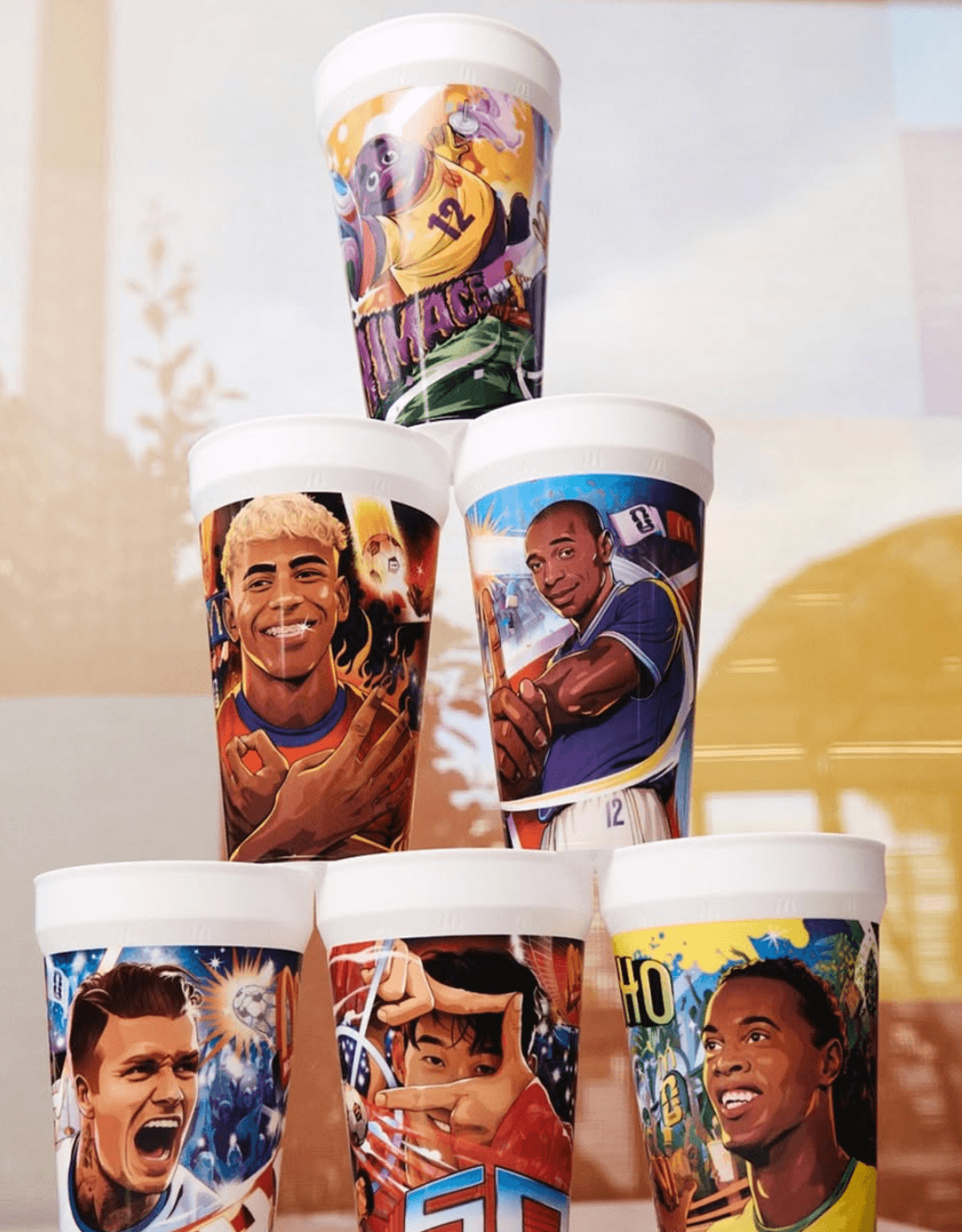
The Secret Weapon: collectible cups that revive the ’90s (another nod to ’90s nostalgia, the nostalgia experts, the ’90s practices, plus in-store and online engagement).
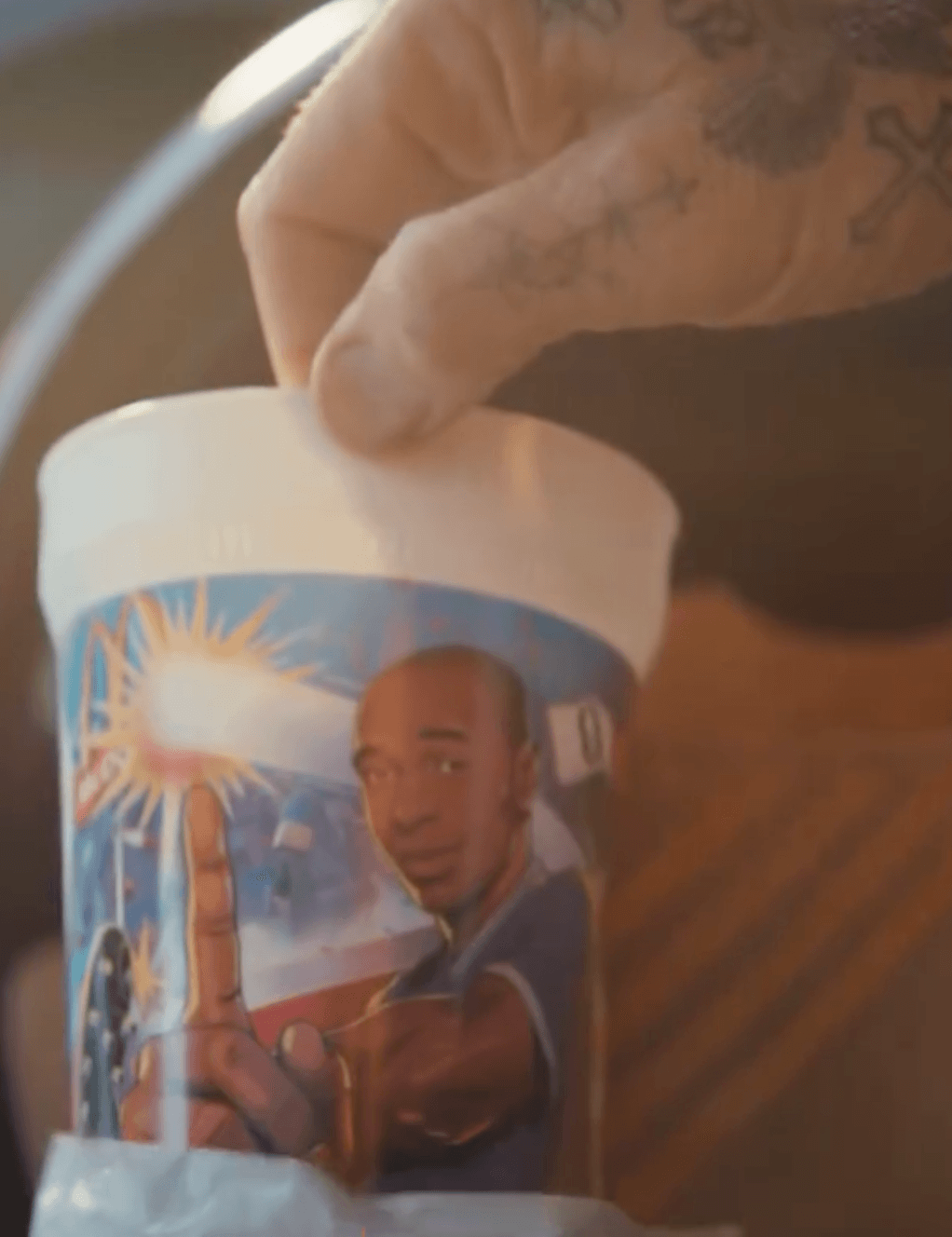
The campaign’s emotional core are the limited-edition cups, one for each figure, with a design that directly pays homage to the iconic cups from the Dream Team era of the 1990s.
Why does it works so well? Three textbook reasons:
-
Nostalgia activated: triggers emotional memories in Millennials and Gen X (retro dopamine hit).
-
Scheduled scarcity: limited edition drives urgent, immediate purchase.
-
Collectibility: the desire to “own them all” multiplies visit frequency and average ticket.
The Star Menu: FIFA World Cup 26 Meal
Activation kicks off June 4 in the United States with the FIFA World Cup 26 Meal, featuring a Big Mac or Chicken McNuggets, paired with Big Mac sauce in a gold-edition packaging. The gold isn’t accidental: psychologically it signals premium, trophy, exclusivity, and victory.
The Big Differentiator: Local country-by-country activations
Here McDonald’s proves why it’s a case study in glocalization (think global, activate local). While the global campaign unifies the narrative, each market tailors the message to its football culture.
Country / Highlight Activation / Marketing Insight
-
Argentina: Burgers with wordplay: “McAllister,” “McAlvarez,” “McFernandez.” Humor + local idols = organic virality
-
Mexico: Santiago Giménez as ambassador + “Worldist” themed menus. National pride + rising star
-
Brazil: Ronaldinho as nostalgic icon + tropical flavors. Eternal legend + regional identity
-
Paraguay: Launch of the “McCombo Copa” with global legends. Aspirational + regional scale
-
Colombia: “Worldist” menus with country-themed flavors. Culinary closeness + World Cup fever
-
Spain: Lamine Yamal as young, disruptive face. Gen Z connection + current star
-
Uruguay: Regional activations with collectible combos. Football tradition + collectibility
What we know from the market:
-
Brazil: Ronaldinho is a strategic choice. Not the current star, but the emotional legend. Brazil taps into the nostalgia of football-art, and Ronaldinho embodies that national identity like few others.
-
Mexico: With Santiago Giménez on the global stage, McDonald’s Mexico capitalizes on the ascent of a Mexican figure in Europe, adding “Worldist” menus with themed flavors that activate local pride.
-
Paraguay: One of the markets leading the digital communication of the “McCombo Copa,” positioning the global legends in social media with a strong Instagram presence.
-
Colombia: Jumped on the Latin American “Worldist” wave with menus featuring regional flavors, fueling conversation ahead of the Tricolor’s debut.
-
Spain: Lamine Yamal’s prominence, the Barça and national team’s bright young star, directly connects with Europe’s and Latin America’s youngest, most digital audiences.
-
Uruguay: Regionally aligned activations betting on collectible cups and the historic fervor of Uruguayan football.
Note: Exact combo, cup, and promotion availability may vary by restaurant and date. Please confirm with each country’s official McDonald’s channels.
Timeline of a Historic Alliance
-
1994: McDonald’s and FIFA seal their partnership. The World Cup comes to the U.S. for the first time.
-
1990s: The Dream Team cups are born, now a collector’s item.
-
2023: Latest renewal of the agreement, covering the complete World Cup 2026.
-
2026: The most nostalgic and global campaign in the brand’s history.
The Branding Lesson for All Brands
McDonald’s shows that longevity doesn’t have to mean stagnation. Three decades later, it’s still finding fresh angles. The secret? Balancing brand consistency with hyperlocal activations and universal emotional triggers.
The final question every marketer should carry: Is your brand globally activated but locally connected… or just making noise without a strategy?
Because in World Cup 2026, while many brands buy media, McDonald’s buys something far more valuable: emotional memory, visit frequency, and cultural conversation.
And that, people, is priceless. It’s all strategy.
Read Smart, Be Smarter!
Infonegocios NETWORK: 4.5 million Anglo-Latinos united by a passion for business.
Join the largest Anglo-Latin business and culture community — and tap into all the strategic intelligence you need:
🔗 Subscribe to our Newsletter — FREE! 📩 Contact: [email protected]
Economic, Cultural & Business Intelligence with a Global Lens
Inteligencia para quienes construyen marcas que trascienden y crean relevancia.
© 2026 Infonegocios Miami

Tu opinión enriquece este artículo: