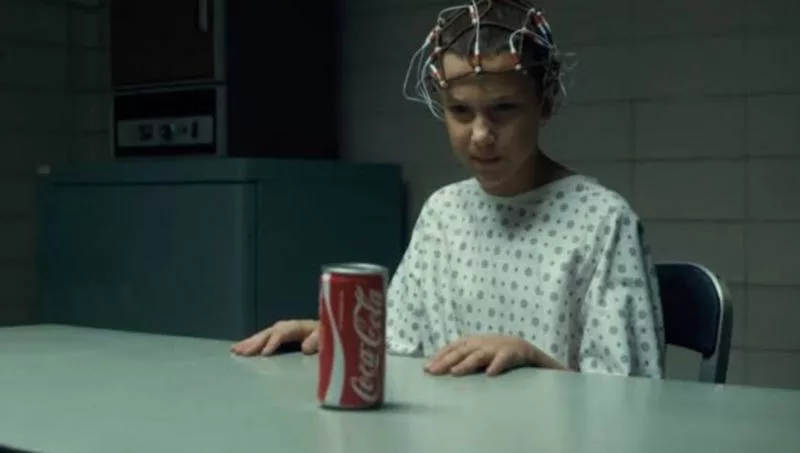
First of all, product placement is not an exclusive strategy for large brands. Any company, brand, celebrity, or venture can benefit from this marketing strategy in any play, television program, video, or radio, whether locally, nationally, or internationally. Product placement can be an excellent way to build brand awareness and promote products or services in a non-intrusive and subtle way. Additionally, this strategy can also help improve brand image by associating it with a popular movie or program.
One of the key benefits of product placement is its ability to reach a specific audience in a more authentic and natural way. Unlike traditional ads, product placement does not interrupt the viewer's experience but rather integrates into the plot and story. This allows the viewer to feel more connected to the product or service and increase their interest in it. Additionally, product placement can also be used as a tool for storytelling and character development.
Another important factor to consider is cognitive bias, which can limit the understanding and adoption of new marketing strategies. People often tend to cling to their beliefs and prejudices and reject anything that contradicts their viewpoint. In the case of product placement, some people may believe it is ineffective or too expensive for their brand. However, it is important to remember that product placement is not a one-size-fits-all solution for all brands, and each campaign should be personalized and adapted to the specific needs and goals of the company.

Here are some of the thousands of successful product placement cases for both large and small brands:
Successful product placement cases for large brands:
Coca-Cola in the movie "The Hunger Games": The beverage brand achieved great success in the film because the story is set in a dystopian future, but the brand appears as one of the few positive things that still exist.
Audi in the movie "Iron Man": Audi achieved great brand exposure by being the official vehicle of the main character Tony Stark.
Nike in the movie "Forrest Gump": The sportswear brand greatly benefited from the appearance of its products in the movie, especially the sneakers Forrest wore.
Ray-Ban in the movie "Top Gun": The sunglasses brand benefited from its appearance in the movie due to the popularity of the main characters, Tom Cruise and Val Kilmer, and their lifestyle.
Mercedes-Benz in the movie "Jurassic World": The luxury car brand appeared in the movie as the official vehicle of the theme park and benefited from the advertising it generated.
Apple in the movie "La La Land": The technology brand appeared in the movie as a key element in the narrative and characterization of the main character, played by Ryan Gosling.
Hershey's in the movie "E.T.": The candy brand greatly benefited from its appearance in the movie, especially in the iconic scene where the main character shares a pack of M&M's with the alien.

BMW in the movie "Mission: Impossible - Ghost Protocol": The car brand appeared in the movie as the official vehicle of the main character, played by Tom Cruise, and benefited from the advertising and brand exposure it generated.
In addition to these examples of big brand placements, there are also numerous successful cases of product placement for smaller brands and startups. Here are some examples:
The Shelter Pet Project in the movie "Keanu": The pet adoption campaign benefited from its appearance in the film, which focused on a cat named Keanu.
Einstök beer brand in the TV series "Game of Thrones": The Icelandic craft beer brand gained great brand exposure by appearing in several episodes of the series.
Shake Shack restaurant in the TV series "Billions": The burger restaurant chain appeared in the series as one of the main character's favorite spots and benefited from the advertising and brand exposure it generated.
Skagen watch brand in the TV series "House of Cards": The Danish watch brand appeared in the series as the main character's official watch, played by Kevin Spacey.
Tito's vodka brand in the movie "Kingsman: The Golden Circle": The craft vodka brand appeared in the movie as the main character's preferred vodka, played by Taron Egerton.
Nudie Jeans clothing brand in the TV series "Californication": The Swedish clothing brand appeared in the series as the main character's favorite brand, played by David Duchovny.
Tesla car brand in the TV series "The Big Bang Theory": The electric car brand appeared in the series as the main character's car, played by Jim Parsons.
Method cleaning products brand in the movie "The Internship": The eco-friendly cleaning products brand appeared in the movie as the main character's favorite brand, played by Vince Vaughn.

One of the reasons why many companies and public figures are not aware of the secrets and benefits of product placement is because it is not a topic that is frequently taught in business schools and faculties. Most academic programs focus on traditional advertising and sales promotion, and product placement is not included as a valid marketing tool.
In addition, the advertising industry in general has tended to focus on volume and repetition selling, making product placement a challenging task for media agencies. Unlike traditional advertising, where ads are placed in a variety of media and widely disseminated, product placement requires a more specific and personalized approach. This means that media agencies have to work with content producers and creators to find the best way to integrate products into the story plot in a natural and effective way.
Another reason why product placement is not widely taught is that it requires a deep understanding of human behavior and neuromarketing. The success of product placement depends on how products are integrated into the story and how they connect with viewers emotionally. This involves a detailed understanding of how cognitive processes work in the human brain and how they can be leveraged to influence purchase decisions.
In addition, product placement also involves higher risk for brands. Unlike traditional ads, where brands have greater control over the content and placement of the ads, product placement involves ceding some control to the content producer or creator. This means that brands risk being misrepresented or even subjected to negative criticism in the content they are integrated into.
An exciting topic indeed, tomorrow we will tell you why product placement is often not reported in media audits.










Tu opinión enriquece este artículo: