
Summary and Tips
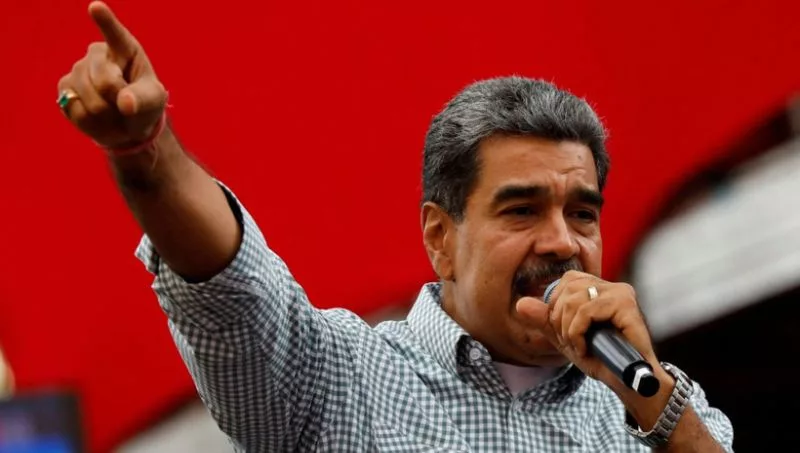
The situation in Venezuela is a humanitarian crisis demanding urgent attention. Maduro's dictatorship, by illegally detaining foreign citizens, not only undermines human rights but also jeopardizes regional stability. The international community must act in a coordinated and decisive manner to secure the release of these detainees and pressure the regime to cease its abusive practices. The history of Venezuela is a tragedy that could repeat itself if immediate action is not taken.
Key Points:
-
Over 1,900 political prisoners in Venezuela, including citizens of various nationalities.
-
Maduro uses kidnapping as a negotiation strategy to secure his exit from the country.
-
The international community, including the United States and Argentina, faces challenges in securing the release of detainees.
-
Brazil, Mexico, and Colombia are not being clear or transparent in this situation and continue to support Venezuela's dictatorship, aiming to disguise the horrors of Maduro's socialism and the impact of their political alliance with him. The three governments are trying to defend the indefensible, which is grave for democracy, justice, and the freedom of peoples on the continent.
-
Edmundo Gonzalez is internationally recognized as the elected president, with over 70% of the vote, and is set to assume office on January 10.


IG: @infonegociosmiami
Maduro's Kidnapping Strategy
"The Caribbean dictatorship has illegally detained tourists of various nationalities to offer their freedom in exchange for safe passage to an allied country." This is the modus operandi of Maduro's regime, which has captured citizens from Argentina, Bolivia, Colombia, Ecuador, Spain, the United States, Peru, and Uruguay. The desperation of the families, such as the wife of Argentine gendarme Agustín Nahuel Gallo, who was kidnapped while visiting his partner, resonates deeply: “All we want is for him to return to his family.”

Political Context and Social Tension
Maduro's fear of repeating Al Assad's history is palpable. With an imminent inauguration scheduled for January 10, 2025, "there is already strong political tension regarding the possible reaction of Venezuelan society." The capture of foreign citizens becomes a desperate tactic to maintain control as protests intensify over the electoral fraud that benefited Maduro in the July 28 elections.
Using Prisoners as Leverage for Negotiation
The regime has previously utilized prisoner exchanges as a negotiation strategy. "A notable case is the exchange of Alex Saab for ten American citizens." Such maneuvers could be repeated if Maduro's political stability is threatened, using the kidnapped individuals as leverage to secure his exit from Caracas to Cuba or Russia, strategic allies.
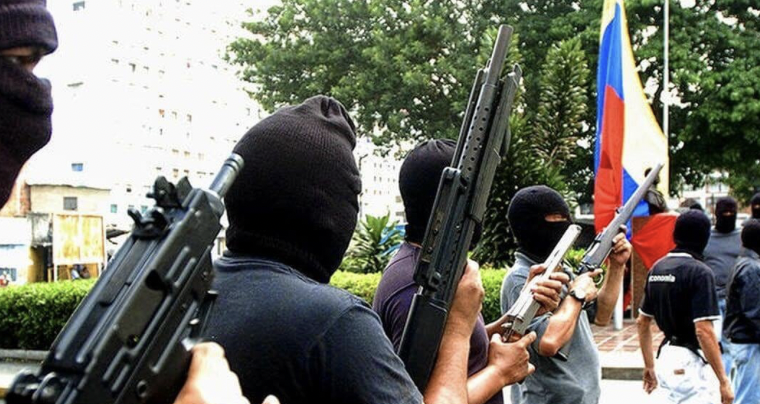
The testimonies of detainees' families are heartbreaking. "A confidential report from the Argentine government describes the nationality and number of foreign hostages in the hands of the dictatorship." The anguish of not knowing the whereabouts of their loved ones, such as in the case of Fabián Buglione, a missing Uruguayan citizen, is a constant that affects multiple families.
Frequently Asked Questions (FAQs)
Why does Maduro kidnap foreign citizens?
Maduro uses kidnapping as a strategy of extortion and negotiation to ensure his own political survival.
Which countries are involved in the release of the detainees?
The United States, Argentina, and other Latin American countries have attempted to negotiate the release of their kidnapped citizens.
How can I help in this crisis?
You can educate yourself, share news about the situation in Venezuela, and support organizations that work for the release of the kidnapped individuals.
The situation in Venezuela is complex and multifaceted, and every voice counts in the fight for justice and freedom.

Infonegocios NETWORK: 4.5 million Anglo-Latinos united by a passion for business.
Subscribe for free to receive the most strategic, agile, and valuable insights at: https://infonegocios.miami/suscribite-al-newsletter
Contact Infonegocios MIAMI:
[email protected] or [email protected]











Tu opinión enriquece este artículo: