Elon Changes the World and Surpasses Science Fiction:
The success of the Super Heavy capture maneuver by ‘Mechazilla’ is not just a testament to SpaceX's technical prowess but also an indication of how innovation can revolutionize the aerospace industry. The ability to recover and reuse rockets will be crucial in making access to space a daily reality. This advancement raises fascinating questions about the future of space exploration and the possibility of colonizing other planets. Undoubtedly, Elon Musk's dream of making humanity a multi-planetary (or interplanetary) species is one step closer to becoming a reality.

Highlights and Tips

Innovation in Reuse: SpaceX has perfected the art of recovering rockets mid-flight, which reduces costs and increases sustainability.
Technical Precision: The maneuver requires meticulous coordination among multiple systems, highlighting the efficiency of the SpaceX team.
Future Tips: Stay informed about developments in aerospace technology and its applications in other industries.
The Feat of ‘Mechazilla’
A Technological Ballet
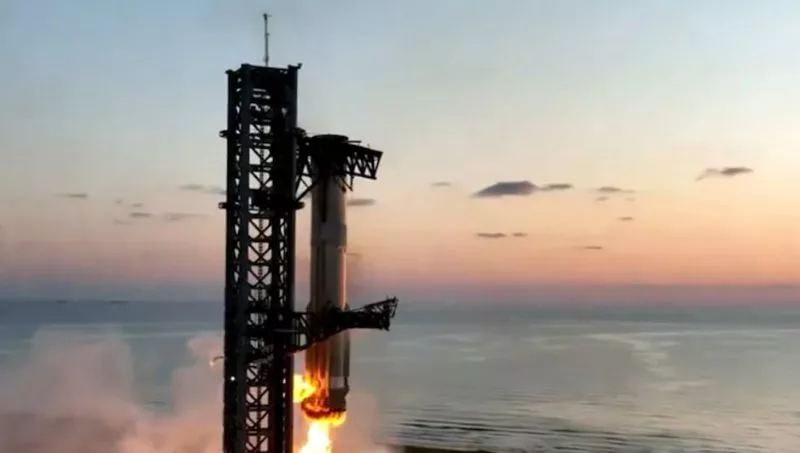
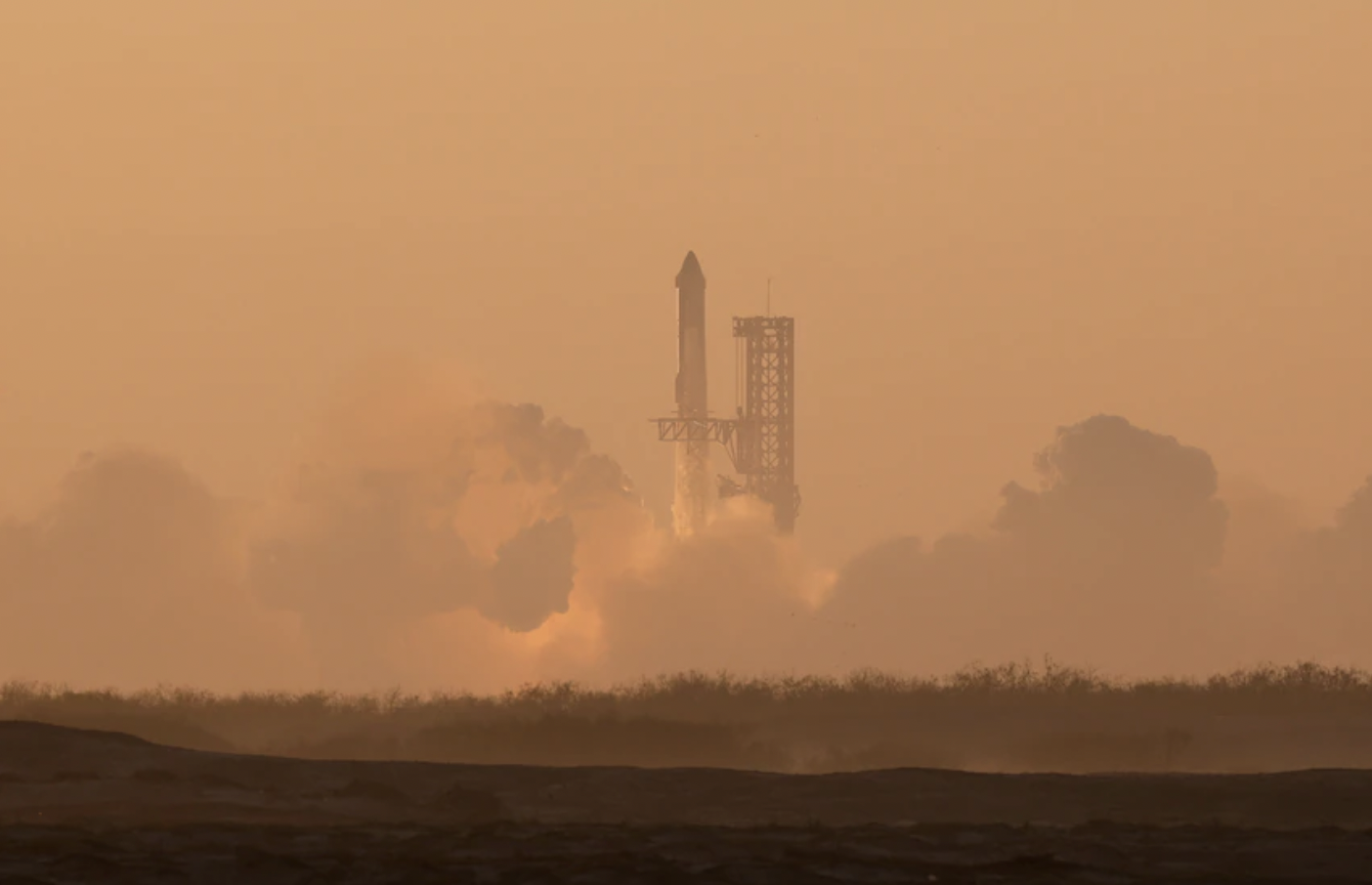
The maneuver to capture the Super Heavy booster mid-flight is a delicate ballet involving a series of meticulously timed steps. The first phase consists of the launch, where the 33 engines of the Super Heavy propel the rocket into space. In less than three minutes, most of the fuel is depleted, leaving only what’s necessary for a braking and landing maneuver.

IG: @infonegociosmiami
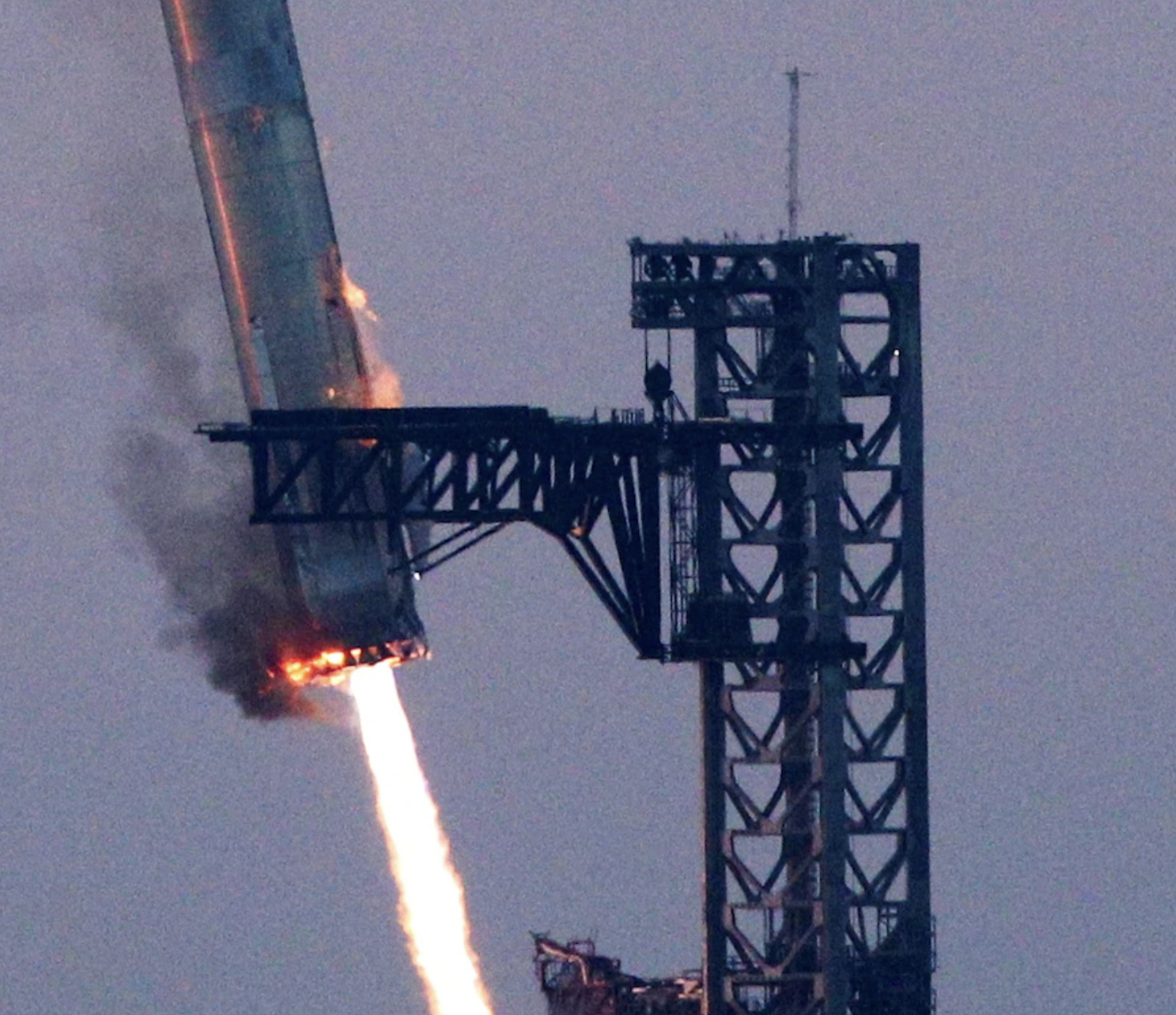
During the separation of the second stage, the Super Heavy performs an acrobatic turn, using only 10 of its engines to initiate the descent process. This movement is not only crucial for stabilizing the rocket but also allows the flight director to make critical decisions based on real-time performance parameters.
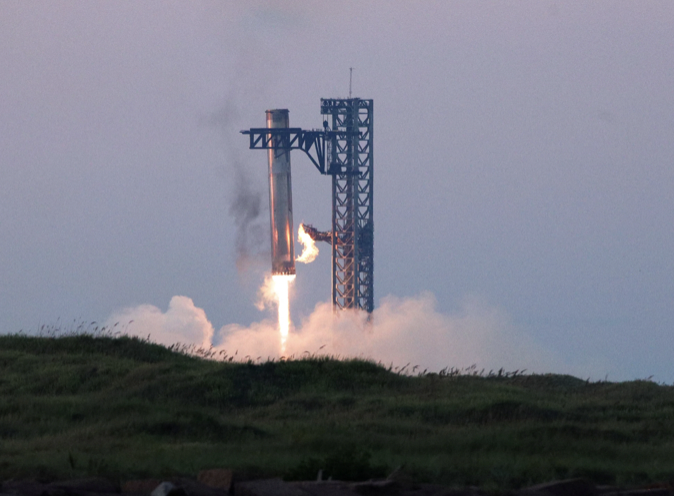
The Capture in the Air
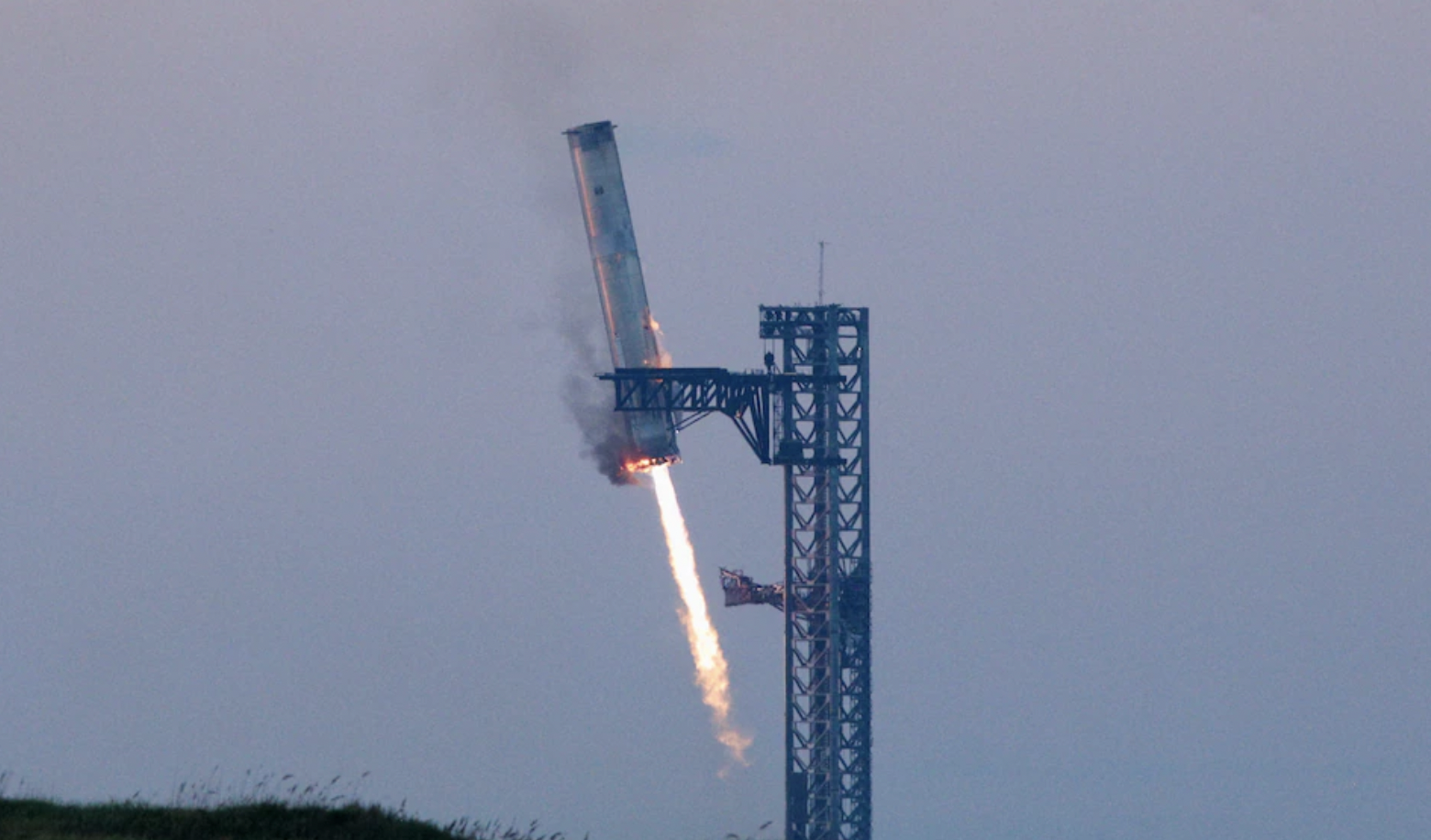
Once the Super Heavy has shut down its engines and is over the Gulf Coast of Mexico, the final stage of the maneuver begins. At this point, the rocket tilts to descend in a controlled manner toward the launch tower in Boca Chica, Texas. In a climactic moment, the mechanical arms of ‘Mechazilla’ open to receive the booster, which is captured just beneath its aerodynamic fins. This mid-flight capture not only minimizes the risk of damage to the rocket but also sets a new standard in aerospace engineering.
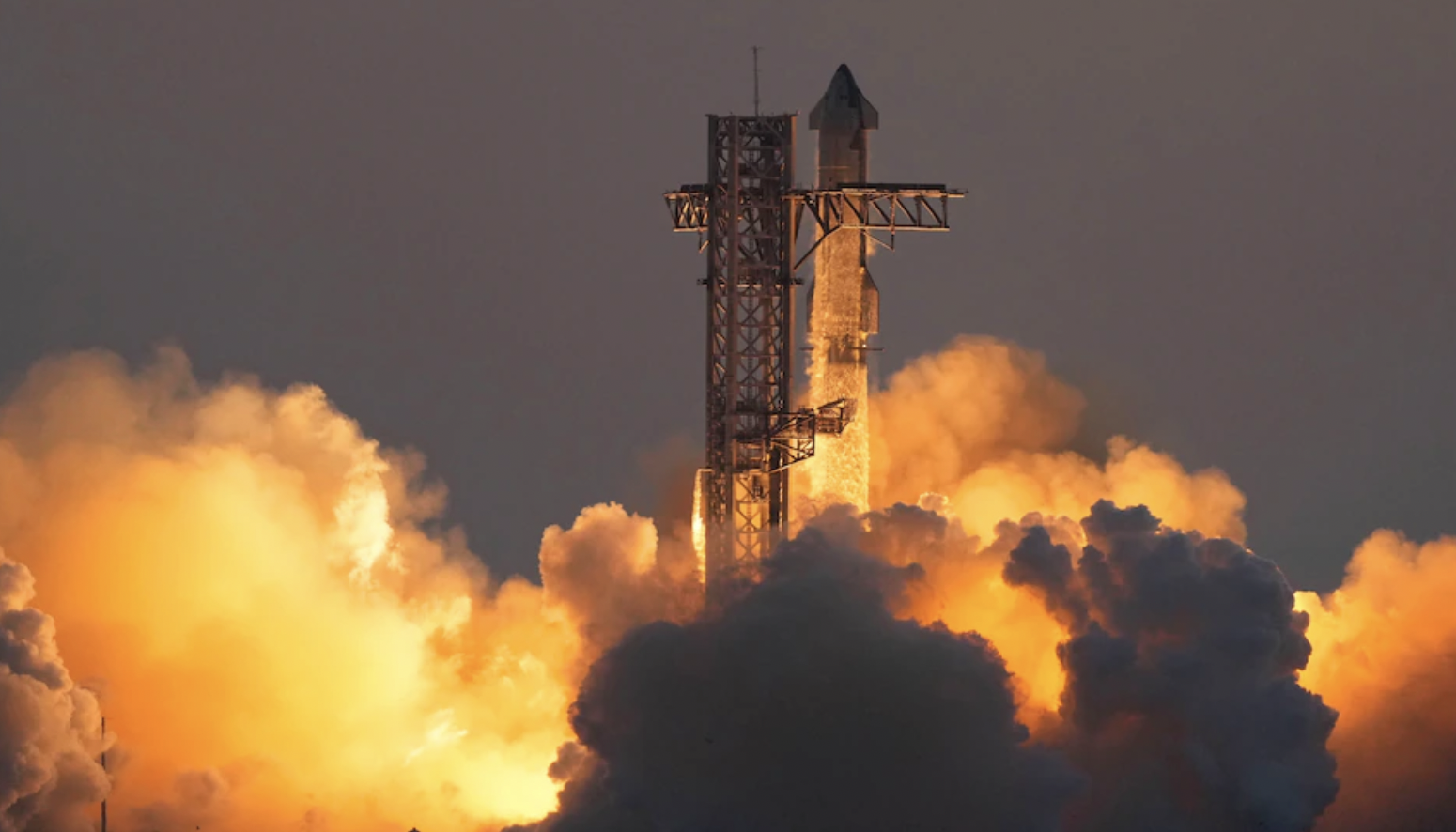
Implications for the Aerospace Industry
Redefining Reuse
SpaceX's ability to efficiently recover its rockets has profound implications for the space economy. Traditionally, rocket launches have been a costly and logistically complex process, but the reuse of vehicles like the Super Heavy promises to significantly reduce costs. This not only facilitates access to space for emerging companies but also paves the way for a future where space travel is more accessible.
Innovations in Technology
The development of ‘Mechazilla’ and SpaceX’s capture technology are not just a technical achievement; they also reflect an evolution in innovative thinking. The company has demonstrated that the combination of advanced engineering and long-term vision can transform the industry. With each successful test, SpaceX positions itself as a leader in the sector and sets a benchmark for other companies to follow.

-
Infonegocios RED: 4.5 million Anglophone Latinos reading business news daily.
-
Sign Up for Free: Register and receive our newsletter by simply leaving your email and name here.
-
Contacts: [email protected] or [email protected]












Tu opinión enriquece este artículo: