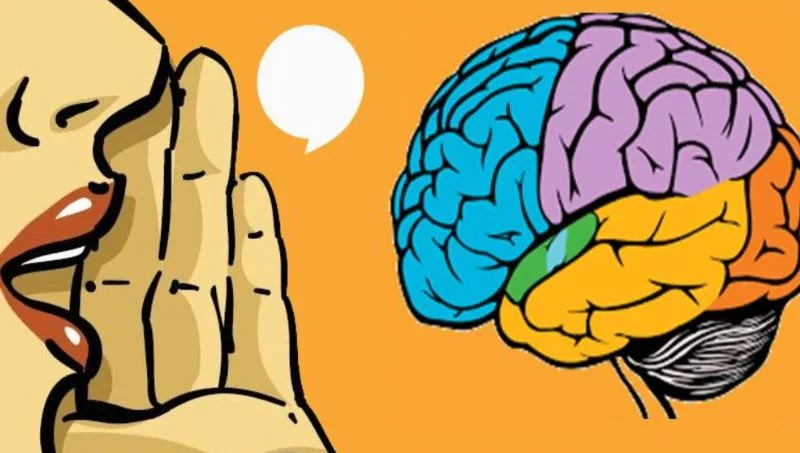
Improves perception of quality: When receiving something for free, customers tend to perceive that they are getting additional value. This perception of extra benefit can influence how they perceive the quality of the products or services offered by the gastronomic establishment, which in turn can increase customer satisfaction.
Fosters reciprocity: According to the principle of reciprocity, when someone offers us something for free, we feel obligated to return the favor. By giving out free candies, a bond of reciprocity is established with the customer, which can increase the likelihood of them returning to the gastronomic establishment in the future or recommending the place to others.
Stimulates positive word-of-mouth: Customers who experience a generous gesture like receiving free candies tend to share their experience with friends, family, and on social media. This can generate positive publicity for the gastronomic establishment, attracting more customers and increasing its visibility within the community.

There are several studies that support these benefits. For example, a study conducted by the Journal of Applied Social Psychology found that offering a free gift to customers significantly increased the tips left at a restaurant. Another study published in the Journal of Marketing Research showed that customers who received a free sample of a product were more likely to purchase the product in the future.
It's important to mention that the effectiveness of this tactic can vary depending on the type of business, the target audience, and other factors. Additionally, it's recommended to conduct measurements and analysis to evaluate the impact of giving out free candies in terms of return on investment, customer satisfaction, and long-term loyalty.
Giving out free candies (or other products) in a gastronomic establishment can benefit both the customer and the business. It creates a positive experience, improves perception of quality, fosters reciprocity, and stimulates positive word-of-mouth. These benefits, supported by studies, justify the practice in Miami and other regions. However, it's important to adapt these tactics to the specific needs and characteristics of each business.
As for specific numerical or statistical research on the delivery of free candies in gastronomic establishments, it's possible to find studies that analyze the effects of free samples in general. These studies provide a relevant knowledge base for understanding the benefits of this type of strategy.
Is this applicable to any type of establishment?
Yes, of course, it also applies to product stands at fairs or services, but it has to flow, the product needs to be branded, and there has to be a framework of some action where there is an established relationship, even if it's not directly "transactional."
The Journal of Consumer Research found that free samples increased the likelihood of purchasing a product by 73%. Another study conducted by market research company Nielsen revealed that 83% of consumers are willing to try a new product if offered a free sample.

Is it time to return to large tastings in supermarkets?
Yes, indeed. Perhaps the excessive advancement of online-only actions has caused the opportunity to contact customers at the most important and optimal moment for conducting all types of experiences and cross-marketing, which is the point of sale, to be lost without reason. But now everything is returning to common sense.
-
Regarding the delivery of other items such as snacks, complimentary water, or small gifts, there are also research studies that support their effects. For example, a study conducted by the University of California in Berkeley found that offering free water in a restaurant increased overall customer satisfaction and, in some cases, led to higher tips for the waitstaff.
-
According to a study published in the Journal of Marketing, customers who received a free gift with their purchase were more likely to recommend the store to others and repeat their purchase in the future.
Here are some recommended books and magazines where you can find relevant information about the favorable effect of giving out free gifts like candies or conducting product tastings:
Books:
-
"Influence: The Psychology of Persuasion" by Robert Cialdini
-
"Brand Sense: Sensory Secrets Behind the Stuff We Buy" by Martin Lindstrom
-
"Neuromarketing: Understanding the Buy Buttons in Your Customer's Brain" by Patrick Renvoise and Christophe Morin
-
"Buyology: Truth and Lies About Why We Buy" by Martin Lindstrom
-
"Predictably Irrational: The Hidden Forces That Shape Our Decisions" by Dan Ariely
Magazines and Academic Publications:
-
Journal of Consumer Psychology
-
Journal of Marketing Research
-
Journal of Experimental Psychology: Applied
-
Journal of Retailing
-
Journal of Advertising Research
-
Harvard Business Review
-
Journal of Consumer Behaviour





Tu opinión enriquece este artículo: