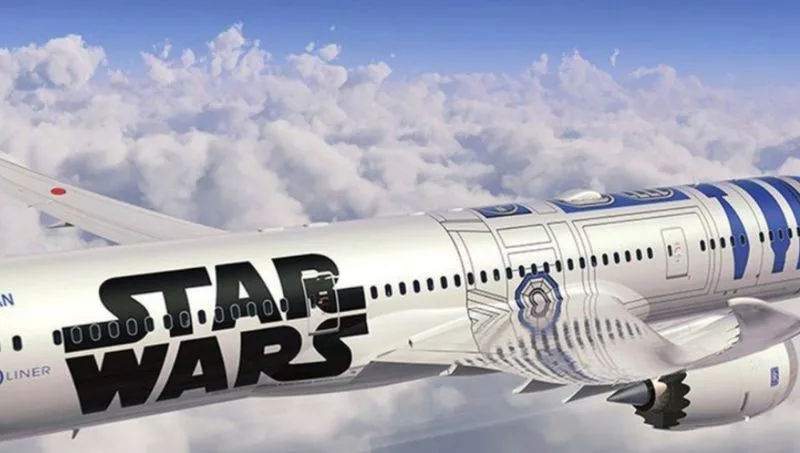
As we mentioned, while it is highly valued, much more than companies seem to realize, customers want and would love for that tuning to have a continuation of that experience inside the aircraft.

Apart from some truly comprehensive actions, like flying in a Star Wars plane both inside and outside, airlines are not focusing much on creating internal themed experiences. And that, in addition to having much more space between seats, is something that will be a great opportunity for the airline that practices it systematically.
Did you know that cutting-edge technologies and special materials are used to make the designs durable and resistant to extreme flight conditions? It's quite an art!

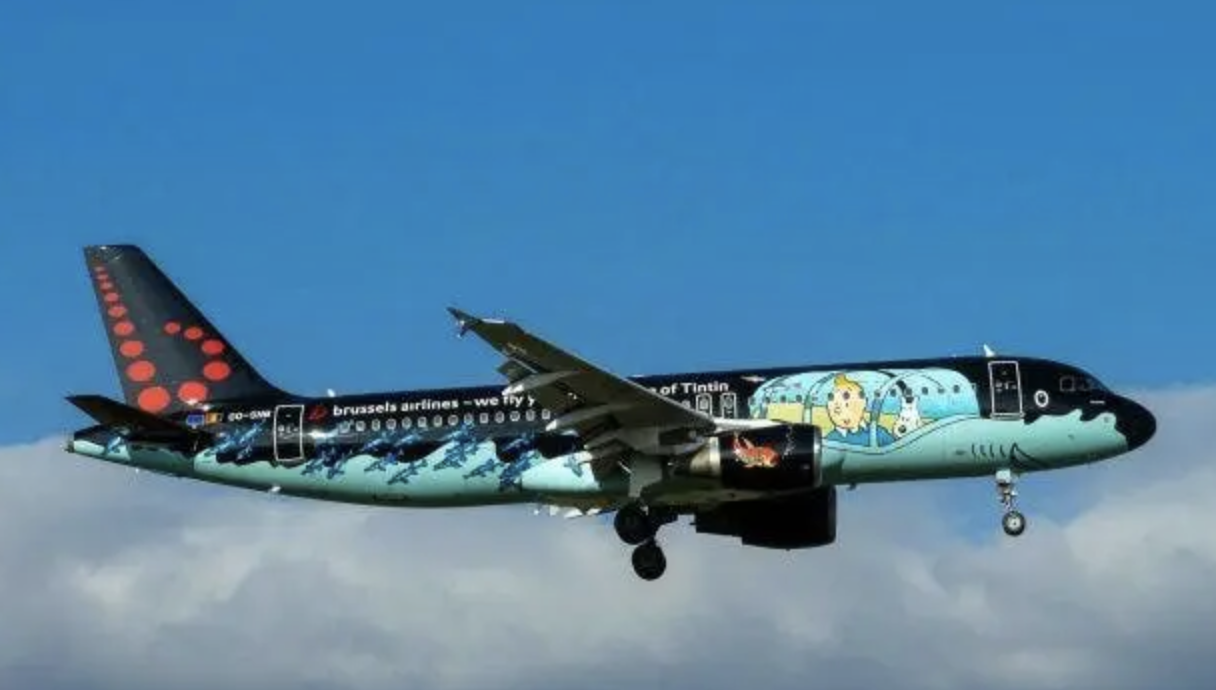
From airlines that have wrapped planes with iconic characters from movies and series, such as Star Wars or Game of Thrones, to designs that represent the culture and history of different countries, each wrapped plane tells a unique story and creates an atmosphere of joy and wonder for passengers.

Some relevant cases illustrating the impact and popularity of the aircraft wrapping technique:
Disney and Star Wars: In 2015, All Nippon Airways (ANA) introduced a fleet of wrapped planes inspired by Star Wars characters and spacecraft. These exclusive designs captured the imagination of fans and became a huge success.
Hello Kitty: Taiwanese airline EVA Air partnered with Sanrio to launch a series of Hello Kitty-themed wrapped planes. The planes became a popular attraction, especially among younger travelers and fans of this famous character.
Pokemon: In 2019, Japanese airline Peach Aviation introduced planes wrapped with Pokémon designs. These colorful planes captured the attention of travelers and generated high demand, especially among fans of the popular franchise.

Themed Routes: Some airlines have opted to create themed routes using wrapped planes. For example, Norwegian Air Shuttle launched a route based on the popular TV series "Game of Thrones," with a plane wrapped in images related to the series.
Volaris and Pixar: In 2020, Mexican airline Volaris unveiled a plane wrapped with characters from Pixar's movie "Soul." This colorful and thematic design offered passengers a unique and fun experience during their flights.
Air New Zealand and All Blacks: Air New Zealand, the flag carrier airline of New Zealand, has wrapped several planes with designs related to the All Blacks, the famous national rugby team. These planes reflect national pride and passion for sports, becoming an attraction for fans and travelers.
WestJet and Frozen: In 2019, Canadian airline WestJet introduced a plane wrapped with a "Frozen" theme. The design included images of the main characters and elements from the magical world of the movie, creating a magical atmosphere for passengers.
JetBlue and "Bluemanity": JetBlue, an American airline, presented a wrapped plane called "Bluemanity." This abstract and colorful design represented the airline's values, such as diversity, human connection, and the joy of flying.
Aircraft wrapping started as a creative marketing tool to stand out and differentiate airlines in a highly competitive market. Over time, it has evolved into a means to generate visual and emotional impact on passengers, providing a unique flying experience.

Renowned artists and famous companies have also made their mark in this trend. For instance, the renowned British artist Damien Hirst intervened an aircraft with one of his iconic artistic designs. Additionally, some airlines have collaborated with well-known brands such as Coca-Cola or Nike to create custom wrapped planes that reflect the brand's identity.
These cases demonstrate how airlines continue to use aircraft wrapping as an innovative and appealing marketing strategy. By partnering with popular brands, movies, or sports teams, they can generate visual and emotional impact on passengers, creating a more memorable flight experience.
The phenomenon of aircraft wrapping by airlines can be analyzed from both a sociological and marketing perspective. Below, we provide an analysis covering both aspects.

Sociological Aspect:
Identity and Belonging: Aircraft wrapping allows airlines to create a distinctive visual identity that relates to their brand and values. This contributes to generating a sense of belonging among passengers and strengthens the emotional connection with the airline.

Brand Experience: The unique and eye-catching design of wrapped planes provides passengers with a memorable visual and sensory experience. This creates a sense of novelty and fun, which can influence the positive perception of the brand by customers.
Competitive Differentiation: In a highly competitive market, aircraft wrapping becomes a strategy to stand out among other airlines. By offering a distinctive and attractive appearance, companies can capture passengers' attention and differentiate themselves from their competitors.
Marketing Aspect:
Brand Visibility: Wrapped planes act as moving advertising platforms as they travel through different cities and countries. This provides greater visibility to the airline's brand, generating brand recognition and exposure to a wide audience.

Buzz and Virality: The creative and eye-catching design of wrapped planes has the potential to generate interest and excitement on social media and in the press. People tend to share photos and videos of unusual or themed planes, amplifying the brand's exposure and potentially creating a viral effect.
Despite the additional costs involved, airlines believe that the benefits in terms of brand exposure, differentiation, and creating positive experiences for passengers outweigh the investment made in aircraft wrapping. Ethnic, playful, historical, retro, nature-themed, cultural, and sports-related themes are among the most chosen to create empathetic value in the aircraft.
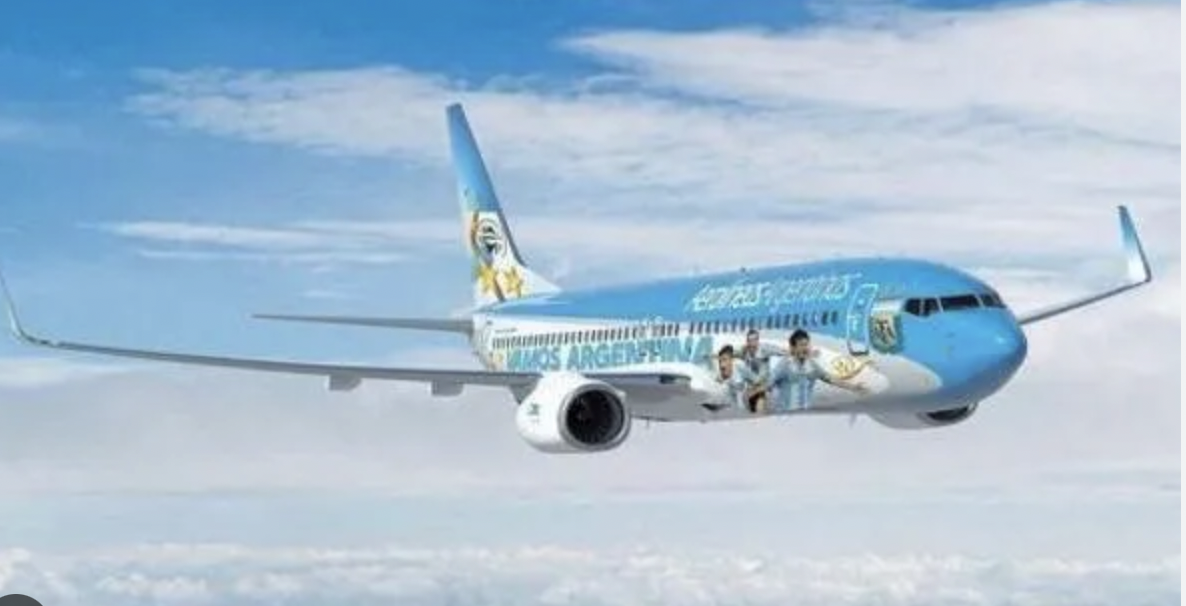
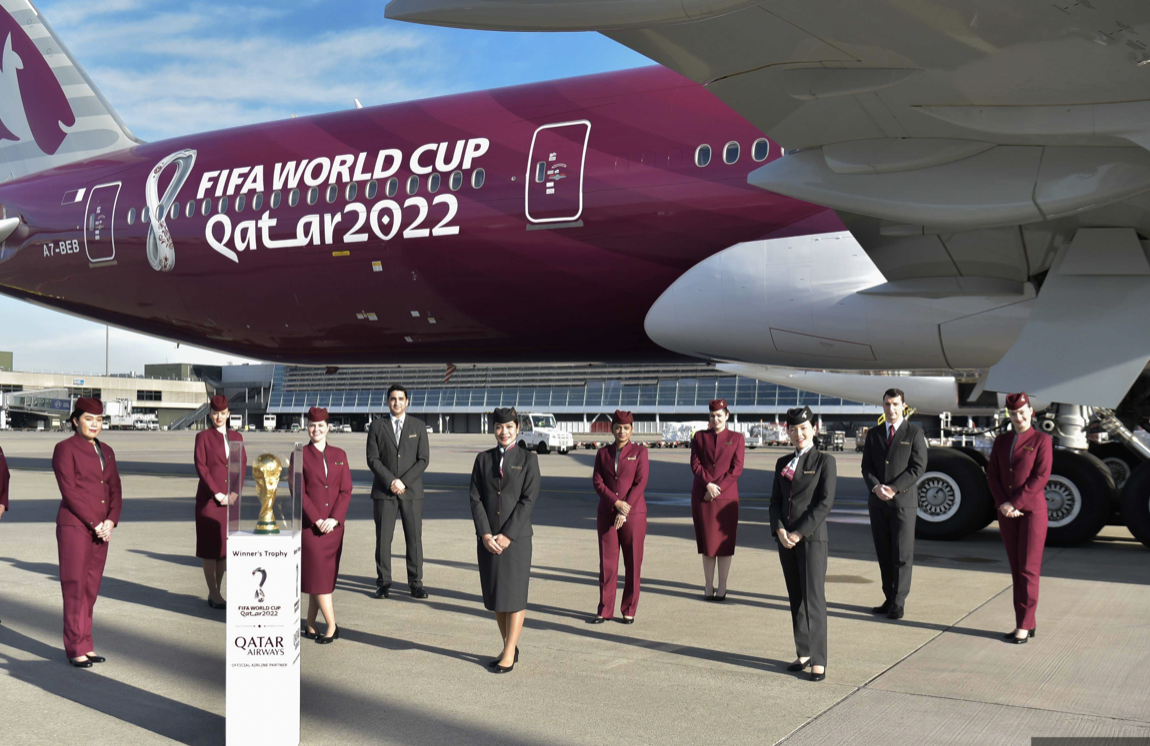
Major events like the FIFA World Cup also present a great opportunity to empathize with audiences.
In Miami, we eagerly await the following wrapped planes:
Messi and Inter Miami's plane.
Miami and F1 plane.
Miami and the HEATs plane.
Miami and Ocean Drive plane.
Miami Winwood-style plane.
And, of course, we also anticipate the Infonegocios.Miami plane...








Tu opinión enriquece este artículo: