
1. What are the fundamental principles that distinguish excellent companies?
2. How can the concept of "volatility, uncertainty, complexity, and ambiguity" be applied in business management?
3. What role does organizational culture play on the path to business excellence?
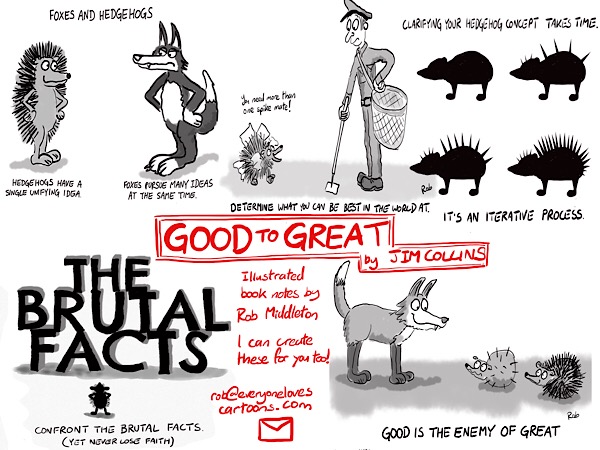
In the competitive business world, striving for excellence is a crucial goal for any company aiming to stand out in its industry. In this era of constant change and challenges, the teachings of Jim Collins's book "From Good to Great" serve as a beacon of wisdom for leaders and entrepreneurs seeking sustainable success.
Excuses are no longer valid. It is a matter of strategy and decision-making.
Today, brands can no longer exist "only on apps," merely selling products. Producing economically in Asia and distributing rapidly with great logistics is no longer sufficient. That is commonplace; that is commerce.
A brand, a company, a nation, an institution creates value.
Once again, the brand must offer a great, conceptual, amplified, honorable, integral, fun, playful, multi-experiential, physical-digital, personal, themed, current, dynamic, genuine, sustainable, and "generous" experience. In other words... Welcome to real value.
Perhaps more complex than in the 80s and 90s, because now, everything about the brand's essence and actions must be sustainable, integrated, and integral.
The return to reality always implies long-term thinking.
Therefore, one must simply strive for excellence.
Collins emphasizes the importance of maintaining humility even in times of success. Preserving humility and commitment to continuous improvement is essential to avoid complacency and continue driving excellence within the organization.
"From Good to Great" by Jim Collins provides a solid framework for understanding the principles that drive the transformation of companies from average to exceptional. By adopting the teachings of this book and applying them consistently, organizations can chart a path to business greatness and sustainable success.
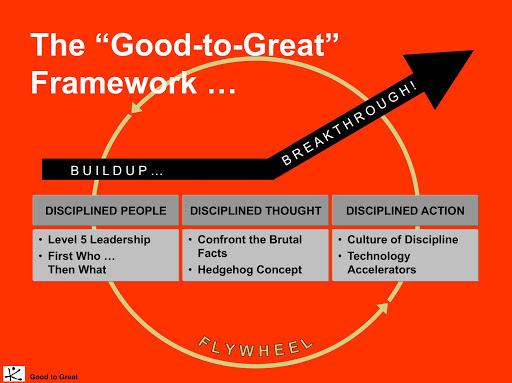
Here are some of its key lessons:
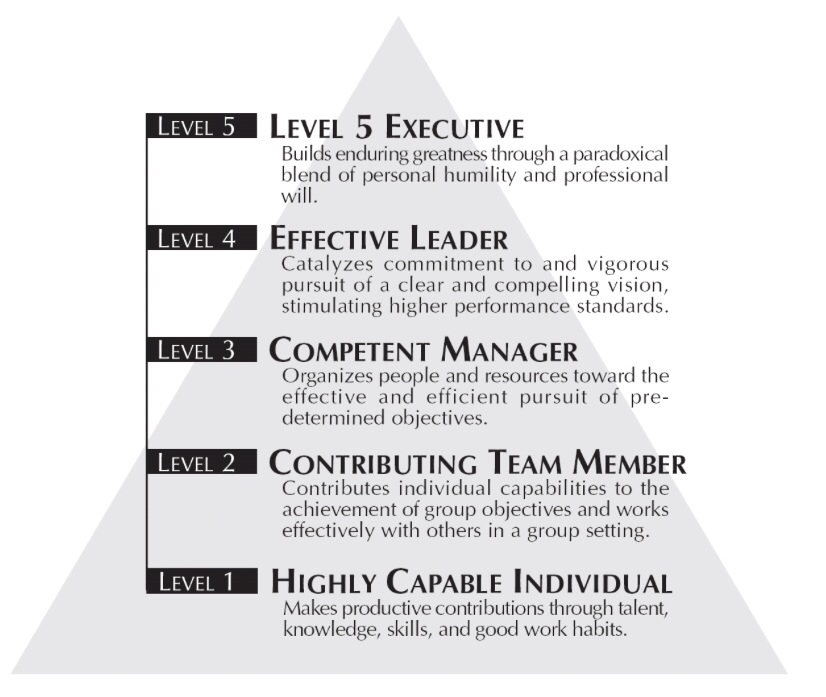
Level 5 Leadership and the Hedgehog Concept
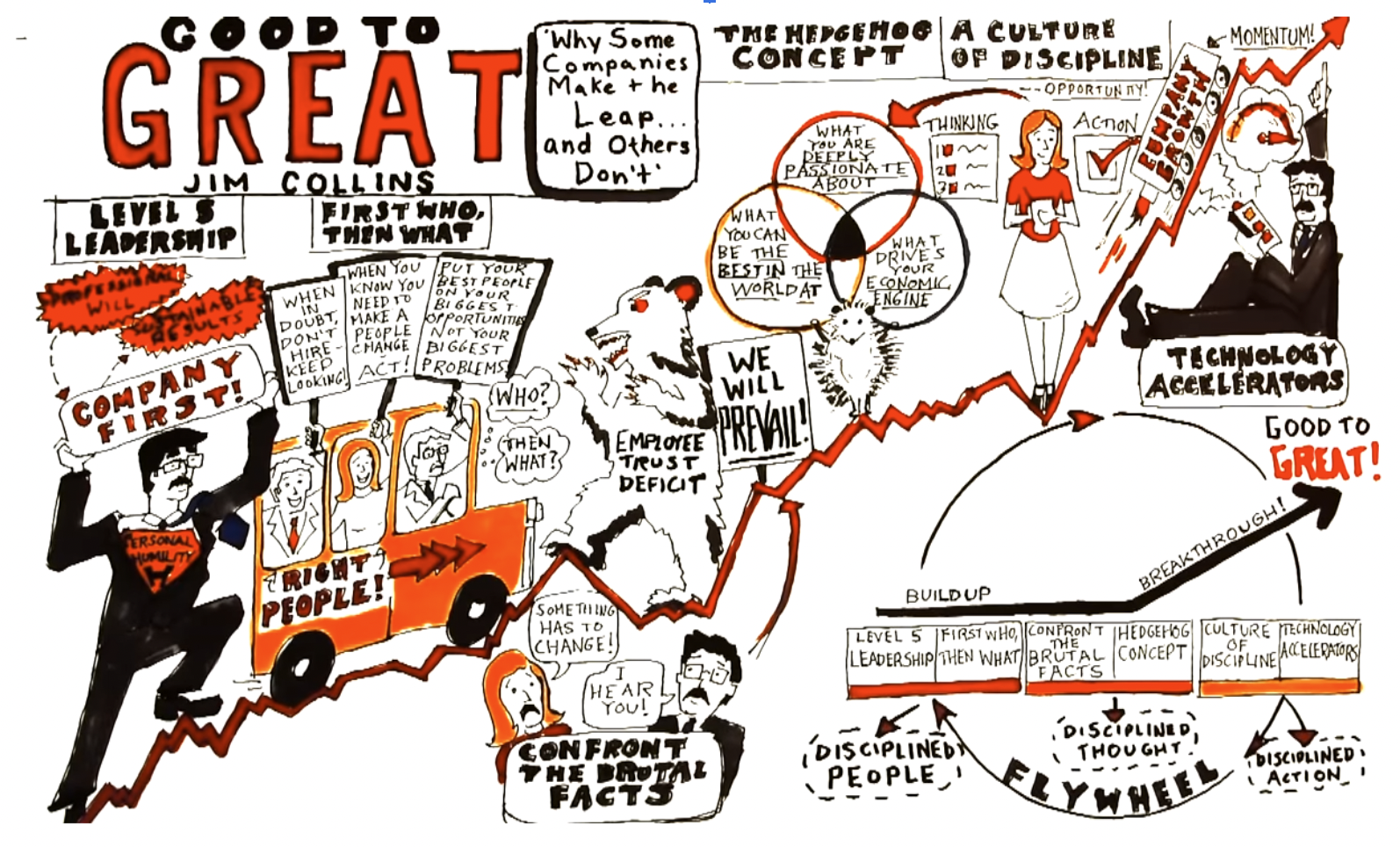
Collins introduces the concept of "Level 5 Leadership," characterized by a combination of personal humility and unwavering will. Level 5 leaders seek the organization's success above personal recognition, making them catalysts for business excellence.
The Hedgehog Concept, on the other hand, emphasizes the importance of strategic clarity and focusing on what the organization can do better than anything else in the world. By focusing on a simple yet effective strategy, companies can achieve sustainable excellence.
Window and Mirror and Team Alignment
The idea of "Window and Mirror" suggests that effective leaders should look through the window to attribute the organization's successes to external factors and look in the mirror to take responsibility for failures. This attitude of humility and accountability is essential for building a culture of excellence.
Team Alignment refers to the importance of bringing together the right people and placing them in roles that align with their skills and values. When all team members work harmoniously towards a common goal, the organization can achieve extraordinary results.

Culture of Discipline and Accelerating Technology
The Culture of Discipline focuses on the need to maintain consistency and persistence in executing the business strategy. Discipline in all areas of the organization ensures that the course towards excellence is maintained despite external challenges and distractions.
Accelerating Technology refers to the intelligent use of technology as a catalyst for business transformation. Instead of relying solely on technology to drive change, excellent companies use technology as a tool to enhance and expedite their existing processes.
Flywheel Principle and the "Advisory Council" Concept
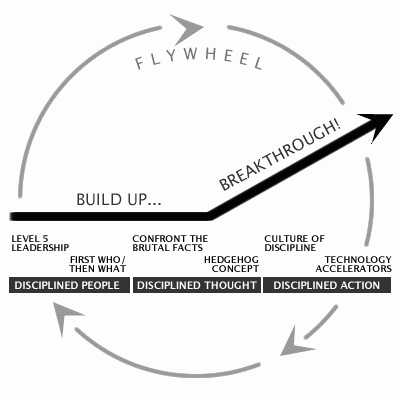
The Flywheel Principle emphasizes the importance of consistency and persistence in the organization's actions. By maintaining steady momentum in key areas of the company, significant results can be achieved over time.
The "Advisory Council" Concept is based on seeking advice from mentors and external experts to improve business decision-making. By seeking guidance from experienced individuals with diverse perspectives, leaders can enrich their decision-making and avoid potential biases.
Entrepreneurial Creativity and Preserving Humility
Entrepreneurial Creativity is a fundamental pillar of excellence, fostering innovation and disruptive thinking at all levels of the organization. By encouraging creativity and experimentation, companies can stay ahead in their industry and adapt to market changes.
"The box does not dictate, it is a consequence of a value strategy: (One must never forget that Steve Jobs was 'pushed out' of his company because his imprint went against short and medium-term profits).
The path to excellence in business requires a strategic focus, strong leadership, and an organizational culture rooted in discipline and innovation.
Iconic cases of business transformation:
1. Apple Inc. (Example of Disruptive Innovation): The evolution of Apple under the leadership of Steve Jobs.
2. Amazon (Focus and Diversification Strategy): The rise of Amazon from an online bookstore to an e-commerce giant.
3. Google (Culture of Innovation and Experimentation): The innovative mindset driving Google's success in the global market.
4. Tesla Inc. (Innovation in the Automotive Industry): The revolution of electric vehicles led by Elon Musk.
Recommended videos on "From Good to Great":
1. "From Good to Great" - Jim Collins: An inspiring talk by the author on the key concepts of his book.
2. "Great to Excellent: Transforming Your Business" - TEDx Talk: A deep analysis of applying Collins' teachings in the current business environment.
3. "Leading from Good to Great" - Harvard Business Review: Experts discuss the importance of leadership in transforming companies."











Tu opinión enriquece este artículo: