Interaction: myths and truths of its consistency in the real and digital world

(By Maqueda and Maurizio) In the fast-paced universe of marketing, "interaction" stands as the holy grail, both in the digital and physical realms. But what is interaction truly, and how does it differ in these seemingly disparate worlds? Or, in most cases, is it a combination of both? The key: selling can be achieved with much digital interaction, but getting someone to buy is only achieved through the sum of real-world interaction.

Defining Interaction: Digital vs. Real

Digital Marketing:

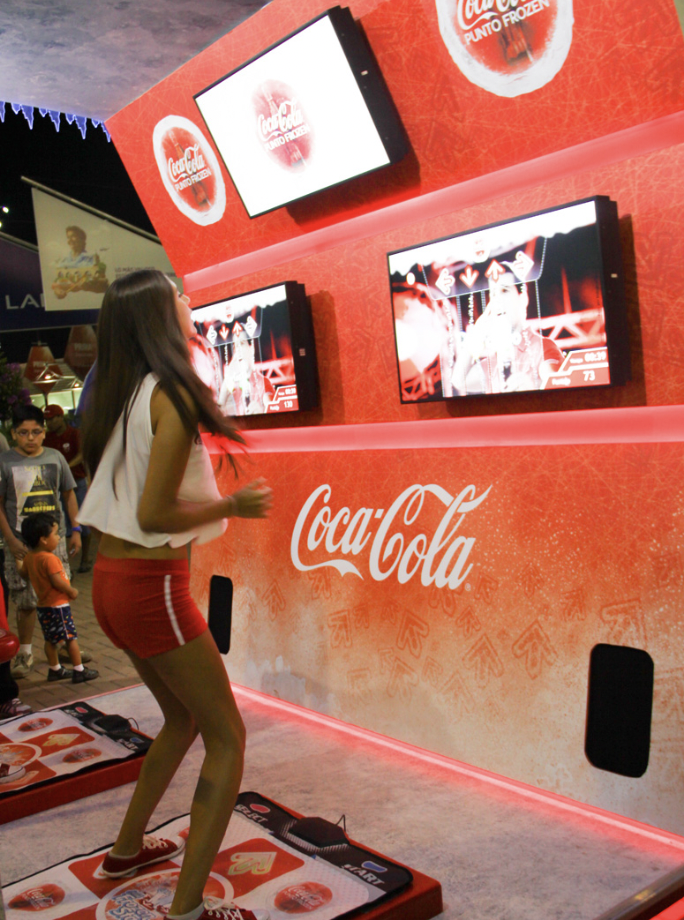
In the digital realm, interaction manifests in clicks, likes, comments, and shares. It's the tangible response of a virtual audience to carefully crafted stimuli. Google, Meta, and TikTok, titans of this domain, understand it at an almost quantum level. They thrive on sophisticated algorithms, tracking our preferences, behaviors, and search patterns, thus building a bond between the user and the platform.

Real-world Marketing:
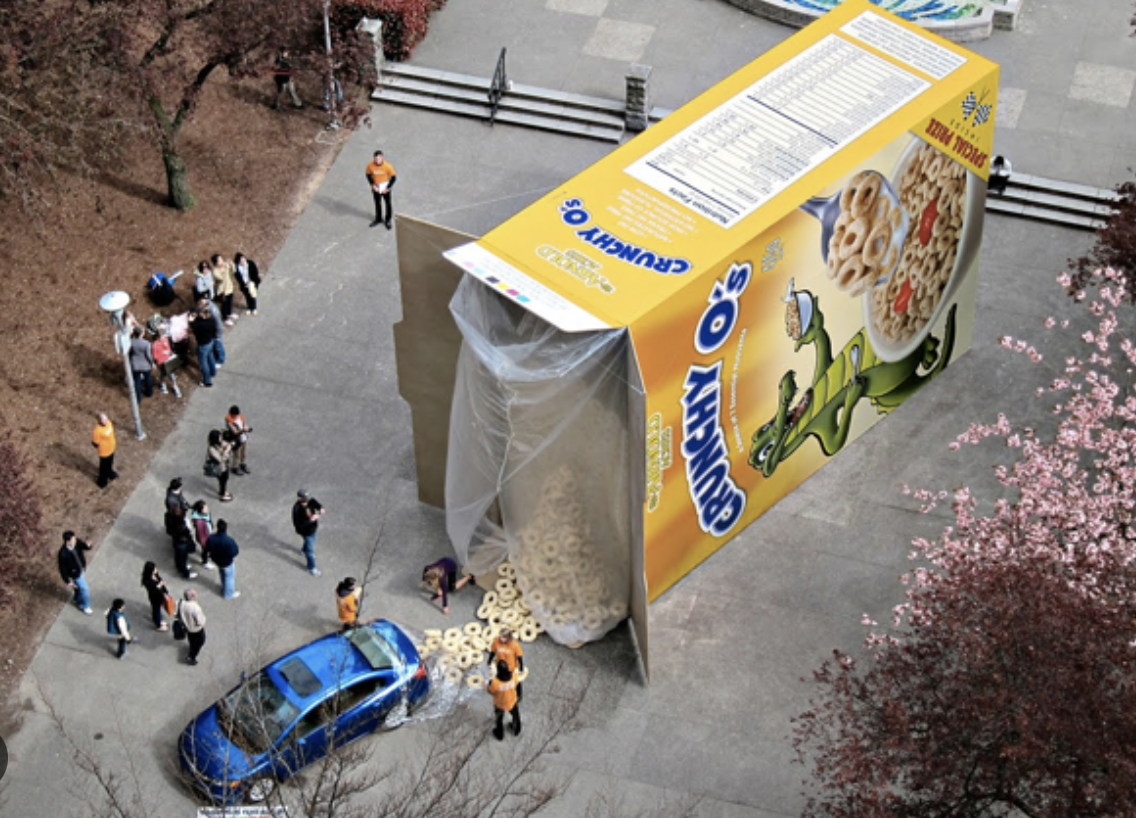
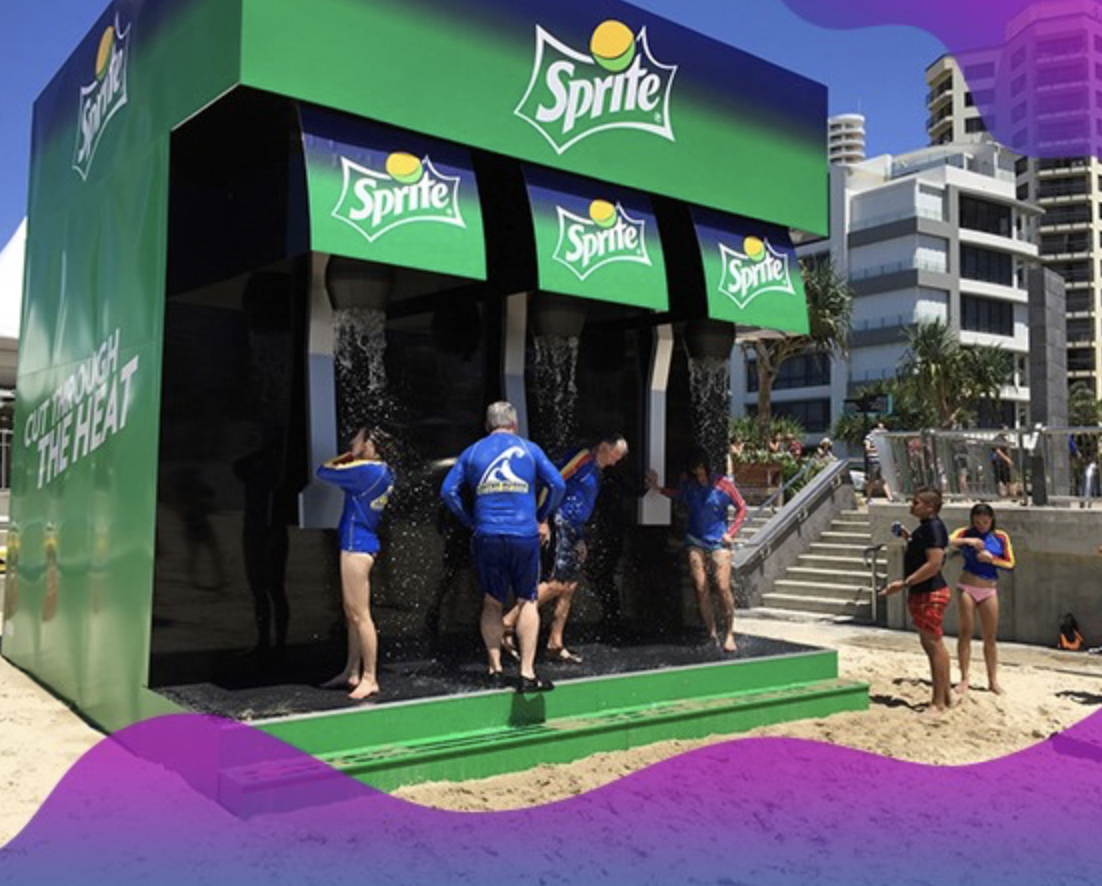
In the physical realm, interaction takes the form of sensory experiences, face-to-face conversations, and tangible emotional responses. It's the handshake that seals a deal, the seller's smile that builds trust. Here, connection is established based on authenticity and the quality of the product or service. And to achieve this, far from doing less, the reality is that you have to do more and better at everything.
The Importance of Interaction: Why is it Vital?
Building Relationships:
Both worlds share the premise that interaction is the cornerstone for building lasting relationships. In marketing, people don't just buy products but experiences and associated values.

Instant Feedback:
In the digital realm, Google and Meta have perfected the art of receiving instant feedback through analytic metrics. In the real world, direct interaction offers immediate and unfiltered feedback, invaluable for continuous improvement. The key: selling can be achieved with much digital interaction. Getting someone to buy with love is only achieved through the sum of real-world interaction. Paradoxically, to achieve this, the symbolic, the abstract, the thematic, and the conceptual are crucial.

If this is not understood, the focus will only be on more clicks, which will indeed make the sales world go round, with a dynamic that is highly dependent and unsustainable over time. The search for value and a relationship (real interaction) involves a universe of competencies that exceed algorithms, colors, and app videos.

Common Mistakes that Tarnish Interaction
Lack of Authenticity:
In both digital and real-world marketing, the lack of authenticity drives away genuine connection. The audience detects artificiality and responds better to authentic experiences and messages.

Excessive Focus on Metrics:
In the digital world, becoming obsessed with metrics without understanding the context can lead to wrong decisions. In the real world, the mistake is ignoring tangible signals of customer satisfaction or enthusiasm.
The Strategic Game of Google, Meta, and TikTok: Passions, Fanaticism, and Realities
Google:
It leverages our searches to anticipate our needs. However, it cannot replicate the emotional connection forged in physical experiences.

Meta:
With its focus on virtual reality, it aspires to redefine digital interaction. Although it promises immersion, it still lacks the authenticity of face-to-face interactions.

TikTok:
Capitalizing on the trend of short attention spans and instant creativity. However, the depth of real interaction remains unparalleled.

Towards a Harmony of Sense: Integrating the Best of Both Worlds
Fostering Humanity:
In marketing, let's remember that behind every click or purchase is a human being. Humanity, authenticity, and empathy are universal, regardless of the interaction channel.
Customer-Centric Innovation:
Google and Meta must remember that, although they anticipate our searches, true innovation lies in understanding and meeting deeper human needs.

Beyond interaction, towards authenticity and valorization.

Interaction, whether digital or physical, is not an end in itself but a means to build authentic connections. In the fabric of business, the key is to recognize and embrace the best of both worlds, creating a symphony where technology enhances but never replaces the human essence of marketing. The true disruption lies not in the exclusion of one or the other but in the harmonious integration of the real and the digital.

Brands that Masterfully Navigate Interaction:
Apple:
The world's leading brand has forged communities of passionate users. Its interaction is based on simplicity, aesthetics, and user experience, generating long-term loyalty.

Nike:
Beyond selling sneakers, Nike fosters an active lifestyle. Its campaigns and sports events promote not only products but an emotional connection to health and well-being.

Starbucks:
The coffee chain has turned the purchase of coffee into a social experience. Its cozy spaces and loyalty programs promote constant interaction with the brand.

Key Readings to Deepen Interaction:
"Never Lose a Customer Again" by Joey Coleman:
Coleman develops strategies to create experiences that captivate and retain customers, emphasizing the importance of interaction at each stage of the customer journey.

"Hug Your Haters" by Jay Baer:
Baer examines how to respond to criticism and comments, advocating for the importance of genuine interaction in reputation management and building solid relationships.

"The Thank You Economy" by Gary Vaynerchuk:
Vaynerchuk advocates for a more human approach in business, emphasizing the importance of genuine interaction as a catalyst for business success.

Inspirational Cases of Interaction in the Digital Era:
Airbnb:
The platform has transformed interaction in the hospitality industry. Direct feedback and personalized experiences have been key to its success.

Tesla:
Continuous interaction with owners through remote updates and exclusive events has turned Tesla into more than just a car brand.


Tu opinión enriquece este artículo:

NFL 2026: por qué el fútbol americano (el deporte y sus valores) importa más que nunca (y por qué el show de medio tiempo es lo de menos)

(Por Maqueda, Taylor, Ortega y Maurizio) En 2026, cuando el Super Bowl es también un fenómeno de entretenimiento global, conviene defender una idea simple y casi contracultural: lo más relevante del fútbol americano no es lo que pasa en el escenario del entretiempo, sino lo que pasa en el campo… y lo que ese campo ha enseñado durante más de un siglo sobre la cultura competitiva de Estados Unidos. 

Lectura de alto valor estratégico, 4 minutos de lectura, material idea para compartir)

Adrenalina y estrés: un cóctel peligroso (¿qué tipo de personalidad y qué tipo de organización fomentan este común flagelo?)

(Por la Dra. Sonia Abadi, una cocreación para la prestigiosa comunidad Beyond en colaboración con Infonegocios Miami) Creemos que la adrenalina es energía, excitación, motivación. En realidad, la adrenalina es la hormona de la lucha y, por lo tanto, una respuesta física ante situaciones que producen miedo. 

(Lectura de alto valor estratégico, 4 minutos de lectura, material idea para compartir)

Super Bowl LIX: Bad Bunny cayó en audiencias en TV y no rompió los récords de Usher y Kendrick Lamar, ni MJ (¿por qué medios dijeron lo contrario?)

(Por Maqueda-Maurizio-Taylor) Los datos finales de Nielsen para el Halftime Show del Super Bowl LIX son una cápsula de verdad en un mar de hipérbole digital. 128.2 millones de espectadores. No es un récord. Es, de hecho, una caída de 5.3 millones respecto al pico de 133.5 millones de 2025. 

(Lectura de alto valor estratégico, 4 minutos de lectura, material ideal para compartir)

El "Billionaire Bunker" no es una moda, es una estrategia geopolítica de élite (el manual no escrito al que se suscribe Zuckerberg)

(Por Taylor desde Silicon Beach, edición Maurizio) Cuando Mark Zuckerberg compra una propiedad en Indian Creek Village —esa isla privada de 41 mansiones apodada "Billionaire Bunker"— no está comprando una casa. Está adquiriendo una opción estratégica en el tablero geopolítico del capital global. Y con él, se completa una trinidad sagrada: Bezos (Amazon), Page (Google), Zuckerberg (Meta). Los tres fundadores del ecosistema digital que define el siglo XXI ahora tienen su búnker en el mismo kilómetro cuadrado de Florida.

(Lectura de valor, 4 minutos de lectura, material idea para compartir)

Kylie Jenner y SKIMS: por qué esta campaña no es solo moda (una muestra más de la compleja era de las colaboraciones, phigitalidad y ecosistemas de marca)

(Por Vera- Rotmistrovsky y Maurizio) Esta colaboración, aparentemente sencilla, es en realidad un caso de estudio en estrategia de expansión de categorías, uso inteligente de celebridades y –sobre todo– una lección magistral en cómo conectar lo físico y lo digital en la mente del consumidor.

(Lectura de valor, 4 minutos de lectura, material idea para compartir)

El gran error estratégico que la mayoría de marcas comenten (y que otras como Ferrari, Adidas, Mercedes y LVMH, corrigieron)

(Por Maurizio y Maqueda) Entre 2015 y 2020, una generación de marketineros —sobreestimulados por la fiebre de las métricas digitales— cometió uno de los errores estratégicos más costosos de la historia del mundo de los negocios: declarar muerto el marketing experiencial y físico. 

(Lectura de valor, 4 minutos de lectura, material idea para compartir)

Inter Miami CF se corona como el club más valioso de la MLS (valuación histórica de U$$ 1.450 millones)

(Por ORTEGA) Inter Miami CF no solo hace historia en la cancha. Según Sportico, medio especializado en valuaciones deportivas a nivel global, la franquicia de Florida se consolida como el club más valioso de la Major League Soccer (MLS), con una valoración récord de USD$ 1.450 millones, marcando un crecimiento interanual del 22%, el más alto de la liga.

(Lectura de valor, 3 minutos de lectura, material idea para compartir)

Rhode Snow Club en Big Sky y Ulta Mate Retreat en Upstate New York (ejemplos claros de la supremacía del ecosistema de experiencias de marca)

(Por Maqueda, Otero y Maurizio) Rhode, Rare Beauty y otras firmas de alto perfil están mostrando que el verdadero poder ya no reside en un único canal, sino en un “head of culture” que orquesta un cruce de acciones: activaciones, celebri­ties, retail, contenido nativo, y experiencias inmersivas que viven en redes, buscadores y tiendas.

(Lectura de valor, 4 minutos de lectura, material idea para compartir)

Louis Vuitton en la Fórmula 1 2026: la solidez de un encuentro entre lujo, velocidad y expansión de experiencias (¿qué nos enseña?)

(Por Marcelo Maurizio y Juan Maqueda) La Fórmula 1 (F1) no es solo un deporte; es un fenómeno cultural que ha captado la atención de millones en todo el mundo. Con un número creciente de carreras y una narrativa cautivadora impulsada por la serie de Netflix "Fórmula 1: Drive to Survive", este deporte ha logrado trascender su naturaleza competitiva para convertirse en un espectáculo multidimensional. 

(Lectura de valor, 4 minutos de lectura, material idea para compartir)