
Davos' "Star": Javier Milei
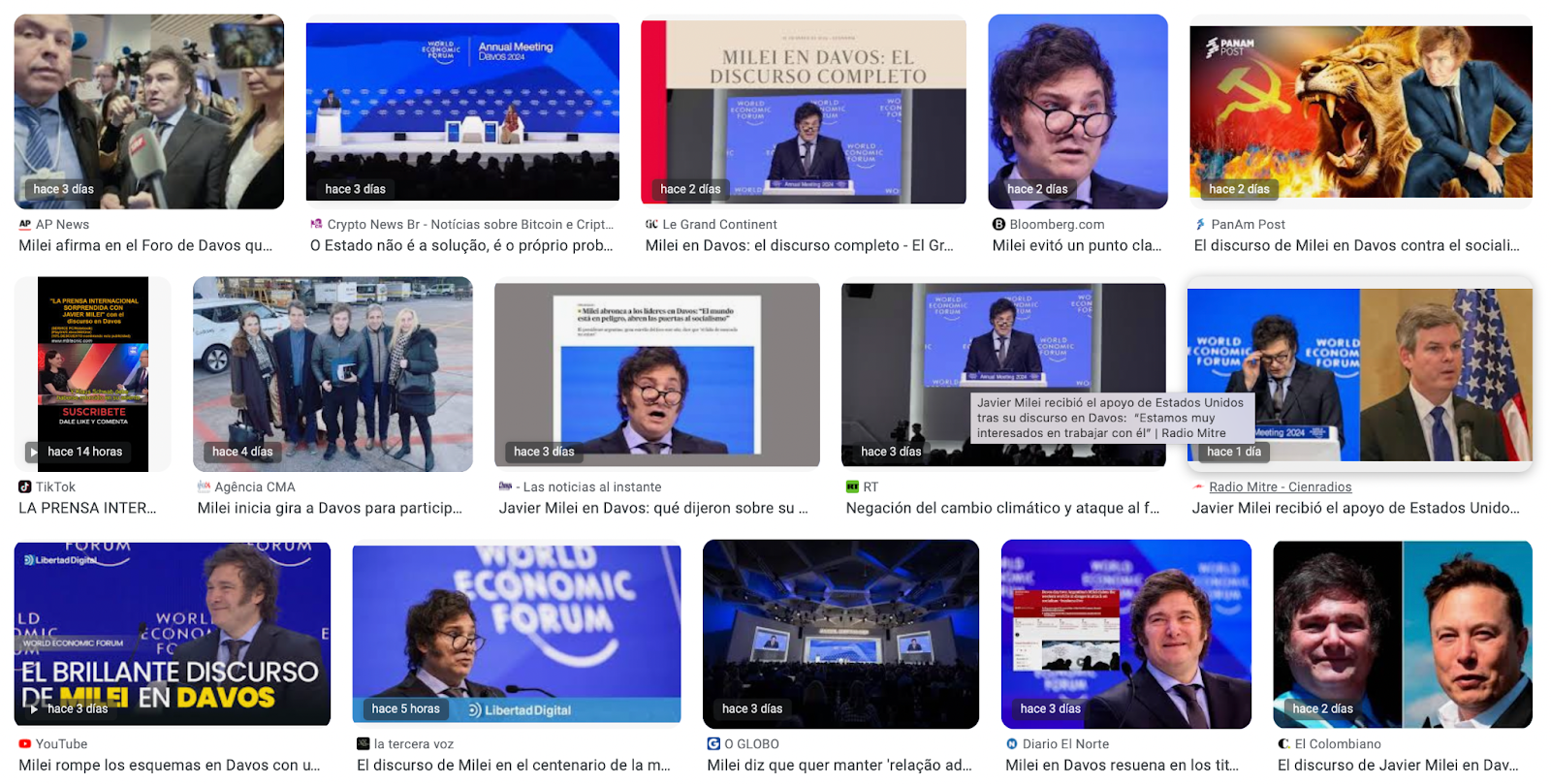
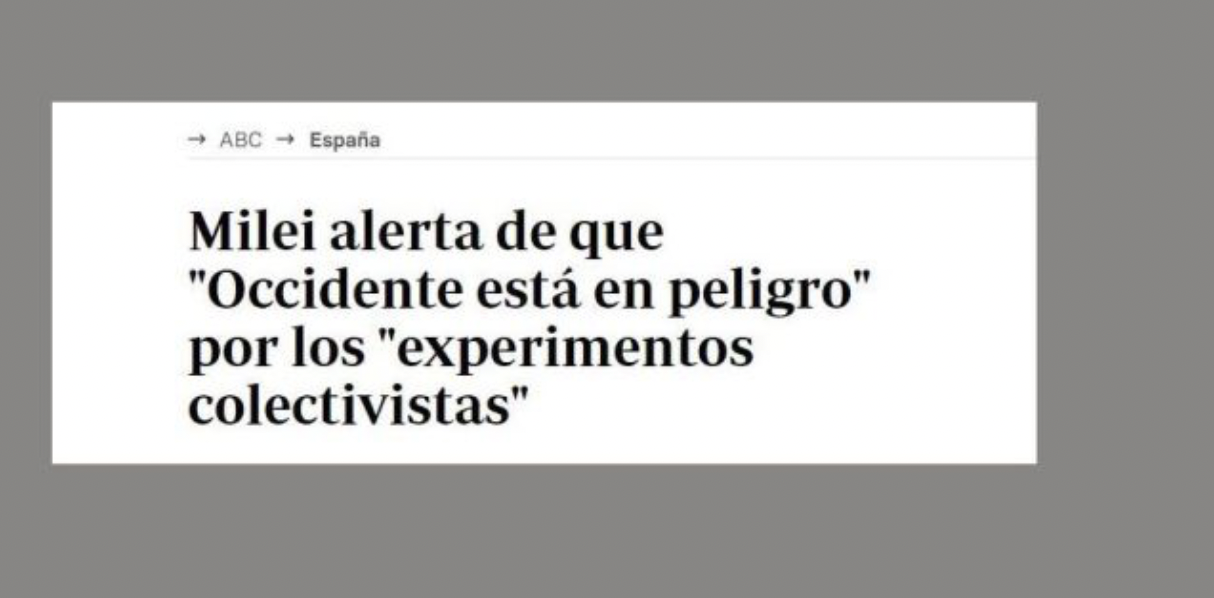
Javier Milei, the Argentine president, emerges as the standout figure in Davos, initially greeted with enthusiasm that wanes during his "apocalyptic" speech. El País labels him as the "great star" of the event, while ABC alerts about the danger to the West.
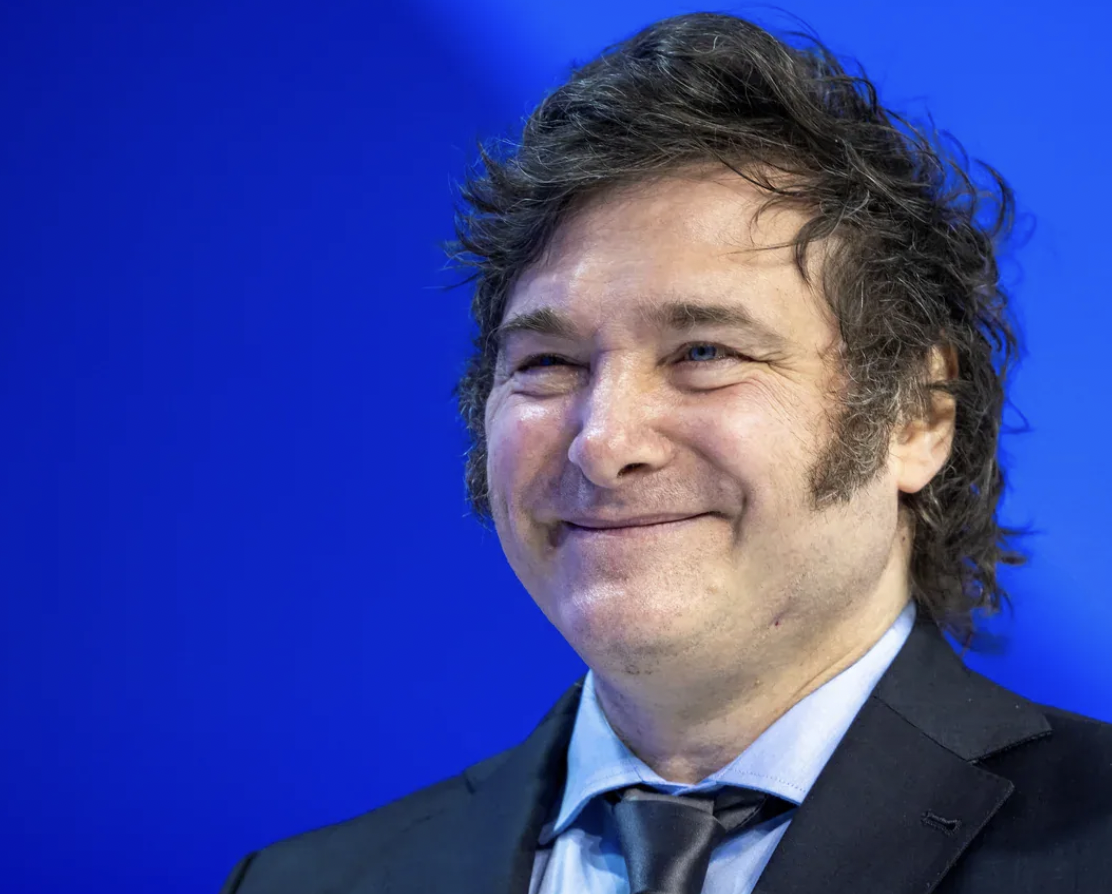
The Milei Phenomenon in Davos, Still Resonating
Javier Milei, known for his radical economic approach, becomes a central figure in Davos. Though initially welcomed with enthusiasm, his apocalyptic speech generates controversy, polarizing the perception of attendees. Argentine President Javier Milei stormed into the World Economic Forum in Davos with an incendiary speech, warning about the threat of socialism and condemning the West to poverty. International media, from El País to Financial Times, analyze his statements, emphasizing his defense of radical capitalism.
Critiques of socialism with clarity, distinctions, assertiveness, and a defense of the libertarian world.
The paradox is that Milei's frankness and realism, coupled with courage, common sense, and impartiality, should garner the support of many individuals seeking leftist goals.
Whether liked or not, the truth, irrefutability, and coherence of Milei's exposition not only demonstrate that the left fails to achieve any of its goals but also that the ultimate purpose of libertarianism and liberalism (not exactly the same but closely related) fulfills those purposes much better. In contrast, the obstinacy of statist, collectivist thinking inevitably brings poverty in every sense. This stark, real, concrete fact is an absolute reality that Milei demonstrates like no other.
This courage, far from turning him into a fascist (meaning a concentrator of power), makes him a defender of freedom, good, and real justice.
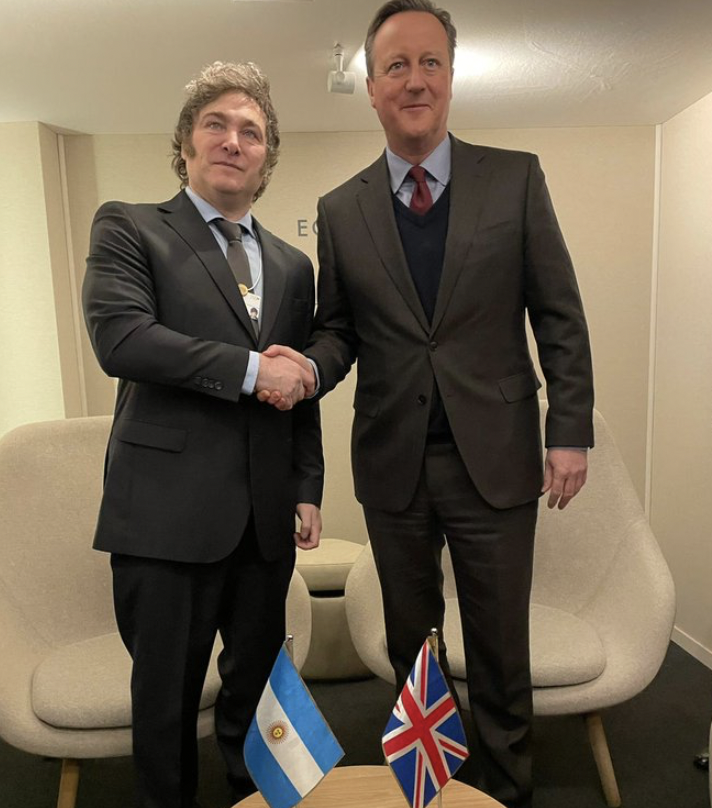
A profound analysis to share, regardless of one's political beliefs:
Tips:
-
Milei goes beyond criticizing socialism; he generates self-criticism of the right and any system that does not generate freedom and well-being for individuals.
-
He possesses a depth, universality, and courage that ideological media and fanaticism do not recognize, attack, and distort. Still, the message is so clear, inspiring, and has so much leadership that it captures the massive attention and adherence of all political thoughts.
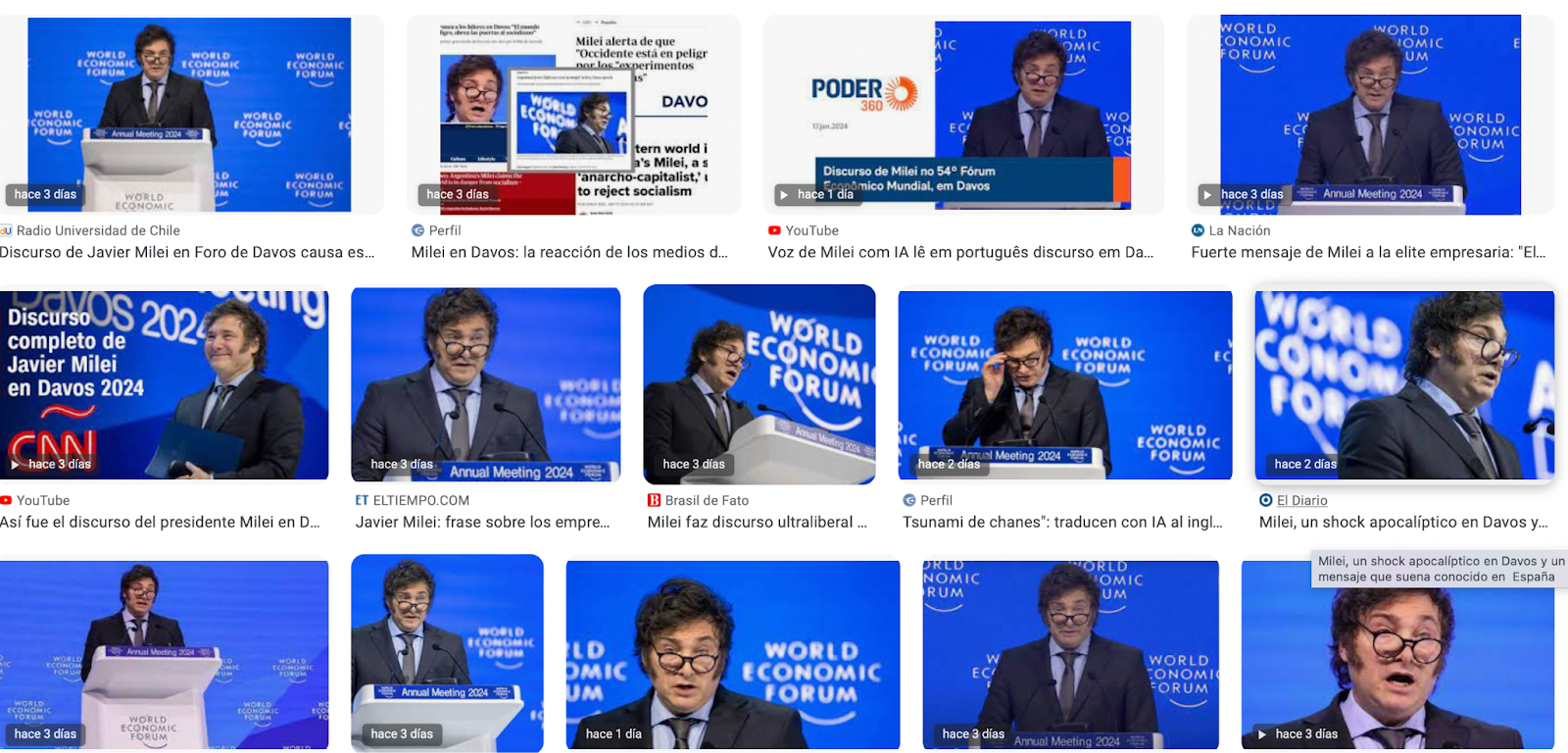
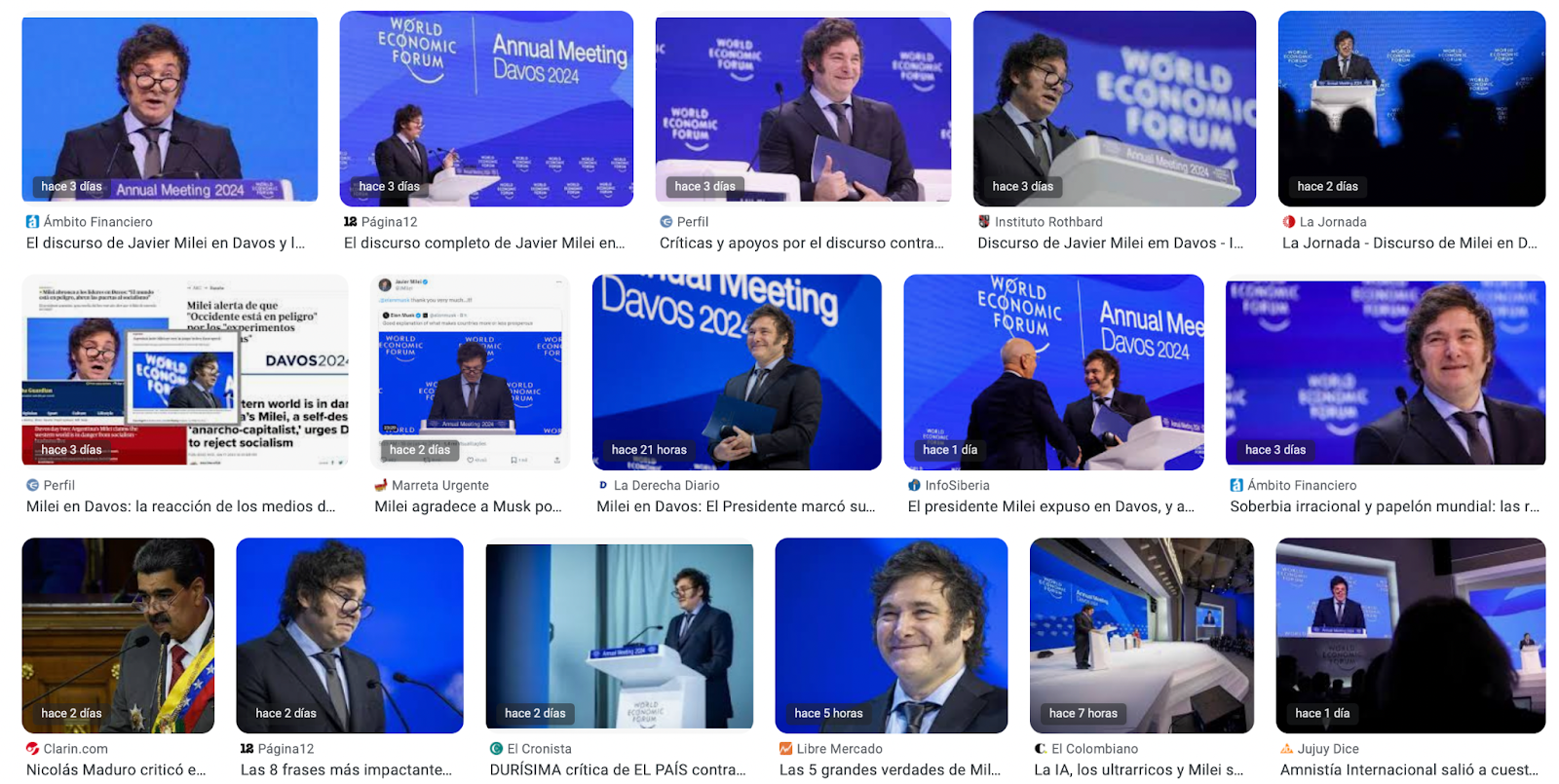
The great misguided concern of the left in rejecting Milei's message.
From Maduro to Pedro Sánchez, they attack Milei without clarity, with a lot of ideology, fanaticism, and aggressiveness, exposing themselves to contradictions and inconsistencies.
Isn't it time for self-criticism for the left?
Wouldn't it be crucial for the left to accept that it must change?
Isn't it dramatically bad for the entire left of the world that a "Maduro" says that Milei is totalitarian?
Wouldn't it be good for a "Lula" to recognize that the left has made enormous mistakes and that what Milei proposes is absolutely coherent, real, proven, and that many Nordic lefts implement it that way?

Isn't it time to stop attacking those who propose changes and, instead of denying everything, deliberate on the best ways to achieve impeccability, not only in economic administration but also in profound freedom, respecting all decisions that do not affect the life of others invasively or imposed?
On the contrary, imposing collectivist systems, isn't it time to consider it the most unnatural, anti-human, and anti-social thing?
Paradoxically, which "very powerful" forces want to implement collectivist systems that regulate competitions, markets, services, innovation?
Who, above left and right, benefits from "statisms" that do not allow constant improvements, disruptiveness, creativity, ultimately "partializing" freedom in the name of control and equality?
Determining that everyone must be equal and live, eat, think, vote, feel, have the same, is it not the most anti-human and undemocratic thing?
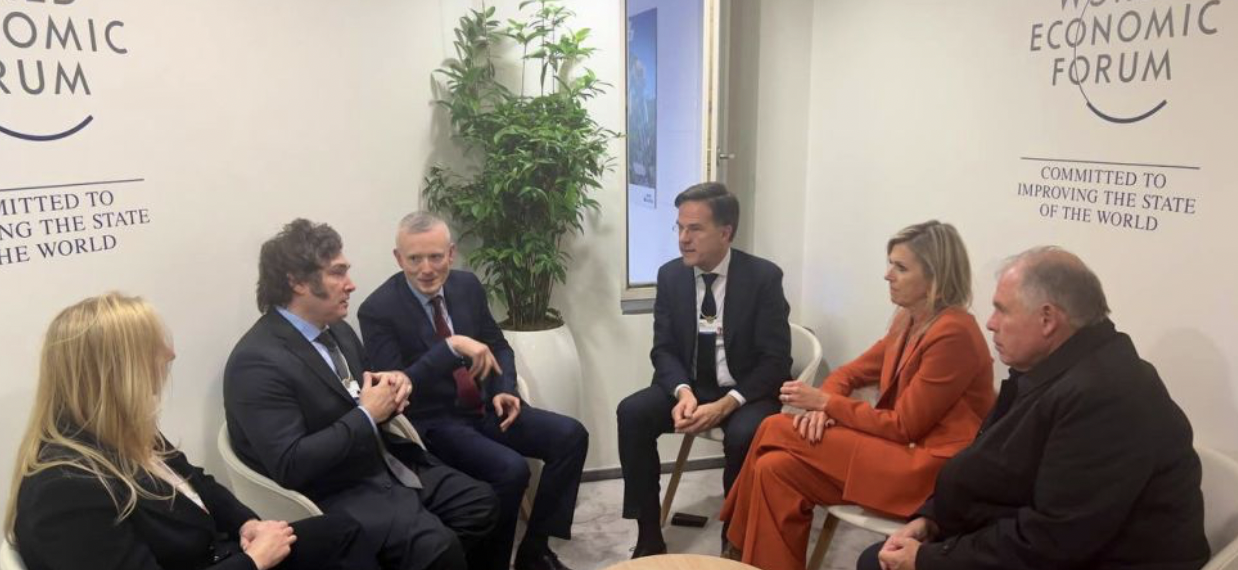
Milei, like some speeches by Martin Luther King, like speeches by JFK, dared to speak much beyond left and right; he dared to speak of freedom as the basis of all politics and economics—that is libertarianism.
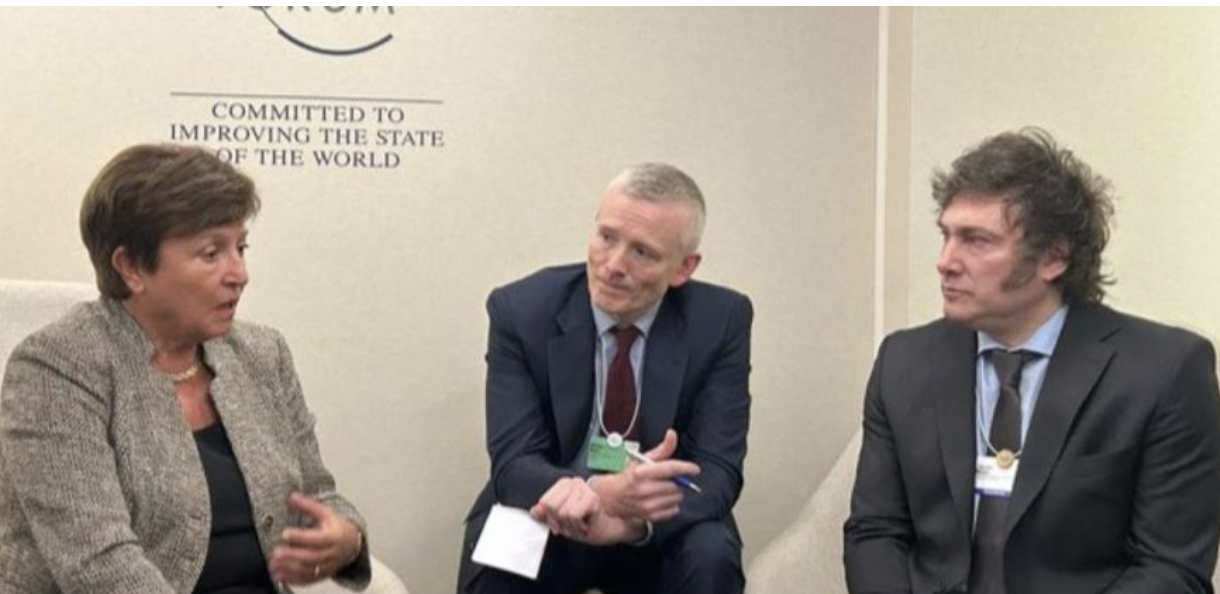
Milei's participation in Davos elicits mixed opinions, although in the majority, it has generated a positive and hopeful impact for a new political leadership; his message resonates, marking a milestone in the global discussion on economic and political futures.
Instead of attacking, the left should accept many real things that Milei says, while the right should also take many criticisms that he makes about the excessive concentration of power.
A significant point that seems no one wants to hear: Milei makes it very clear that the Mercantilists are beyond left and right, and these "groups" benefit from "statism," lack of freedom, and concentration of power because it allows them to manage and control everything, not to compete. (That's why libertarianism is above capitalism itself, as there are even quasi-capitalist, anti-liberty systems that are not systems of respect for the individual and human being but are merely systems of power concentration).
It is very clear that through Agenda 2030 or through socialism, those powerful people want to limit freedom because that concentrates power, money, and that only causes more poverty. In essence, Milei's speech is very courageous. Periodically, both left and right-wing men should agree if they genuinely want the common good, that the diagnosis, clarity, and impartiality of Milei's speech are very coherent, truthful, and real.
The Verdict of European Media
El País (Spain): Initially labeled as the "great star," Milei experiences a change in perception during his speech, described as "apocalyptic." Despite initial interest, the extreme tone raises doubts in the room.
ABC (Spain): Highlights Milei's alert about the "danger" of socialism and its connection to poverty. Focuses on the trend of world leaders toward collectivism, according to the perspective of the Argentine president.
Financial Times (UK): Describes Milei's participation as "high-profile" and highlights his dramatic debut on the world stage. Analyzes his economic measures in Argentina and the resistance he might face in Congress.
Assessments from Reuters and The Guardian
Reuters (UK): Considers Milei's presence as a test for the right-wing leader, a newcomer to politics. Emphasizes the economist's rapid ascent and his role amid the economic crisis in South America.
The Guardian (UK): Laments the lack of questions during the speech and criticizes Milei's stance against feminism. Highlights his critique of the Western system and his call to adopt "free-market capitalism".
CNBC and the American Stance
CNBC (USA): Highlights Milei's "anarcocapitalist" condition and his call to the Davos elite to reject socialism. Focuses on his goal of promoting a business-focused approach to combat global poverty. The Argentine president seeks to change the course towards a business-oriented approach to eradicate global poverty.










Tu opinión enriquece este artículo: