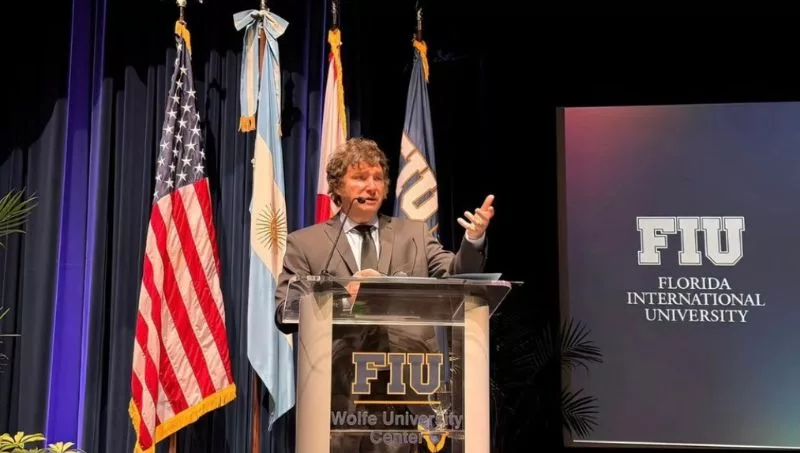
Javier Milei's speech in Miami was a memorable event that captured the audience's attention and sparked intense debate about Argentina's political and economic future. With his unique style and bold vision, Milei emerges as a prominent figure on the international political stage, ready to challenge conventions and lead transformative change in his country.
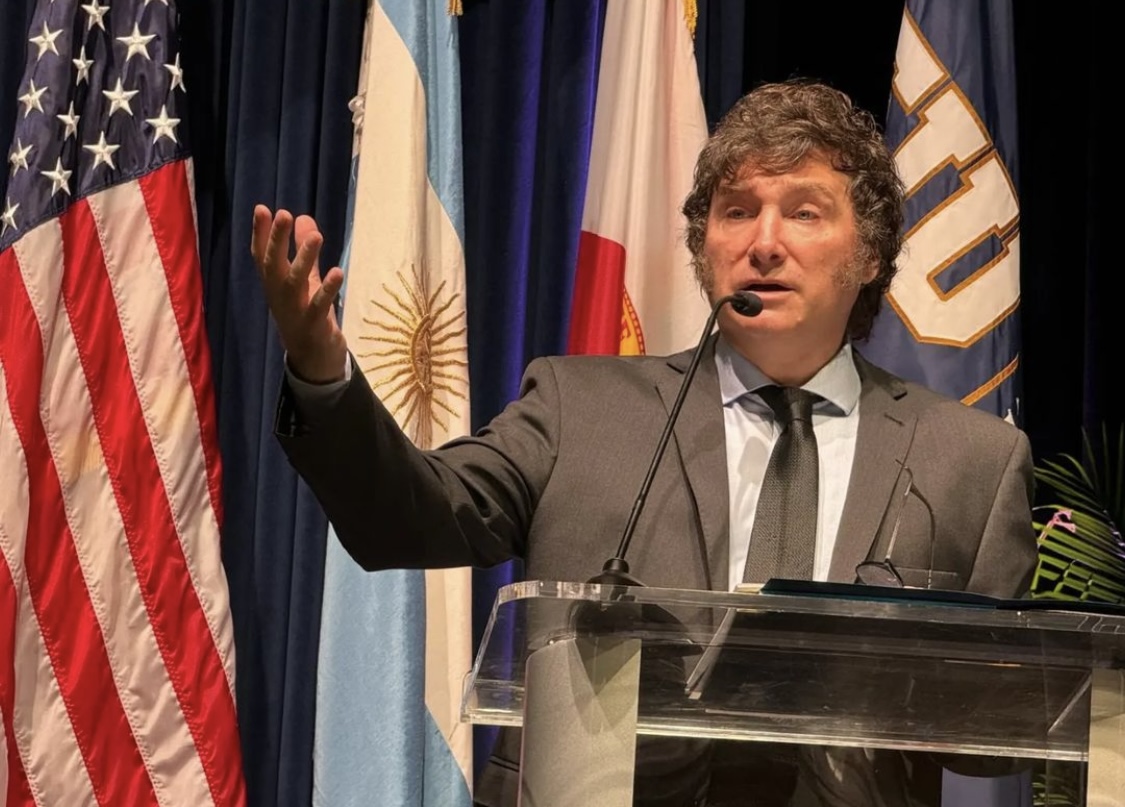
While in the USA and in many places throughout Latin America, there is a growing presence of posters supporting J. Milei, Argentina still holds itself back and remains divided in an almost sterile discussion, very old, about dogmas, denials, and drastic responsibilities of the past distorted by left-wing militancy or the most fanatical sectors of statism. This seems to be more evident from abroad, across the entire political spectrum, including left-wing thinkers, except for obvious and forced incoherent attacks from figures under tension like Petro, AMLO, Chavez, and Lula.
Juan Maqueda from Florida International University:
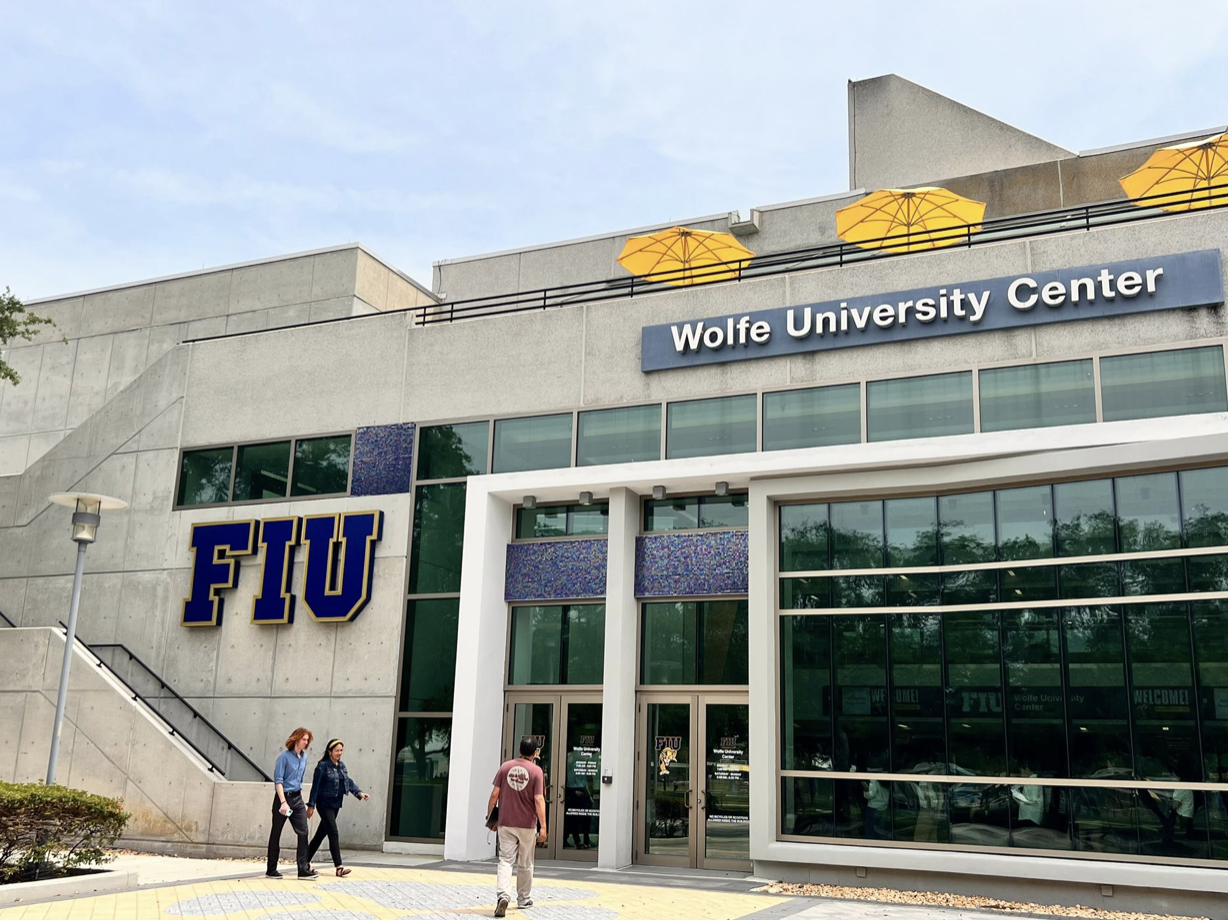
President Milei described his arrival at the Casa Rosada as the result of a "triple carom," referring to the exceptional circumstances that brought him to the highest political office in the country. In his speech, he emphasized the need for radical change in government management, attributing his election to the "disastrous administration of the last twenty years."

With an agile and vibrant style, Milei captivated the audience with his direct approach and compelling rhetoric. Using key terms relevant to the Miami region and Latin America, the Argentine president connected with the Anglo-Latin audience, demonstrating his ability to adapt to the cultural and linguistic context.
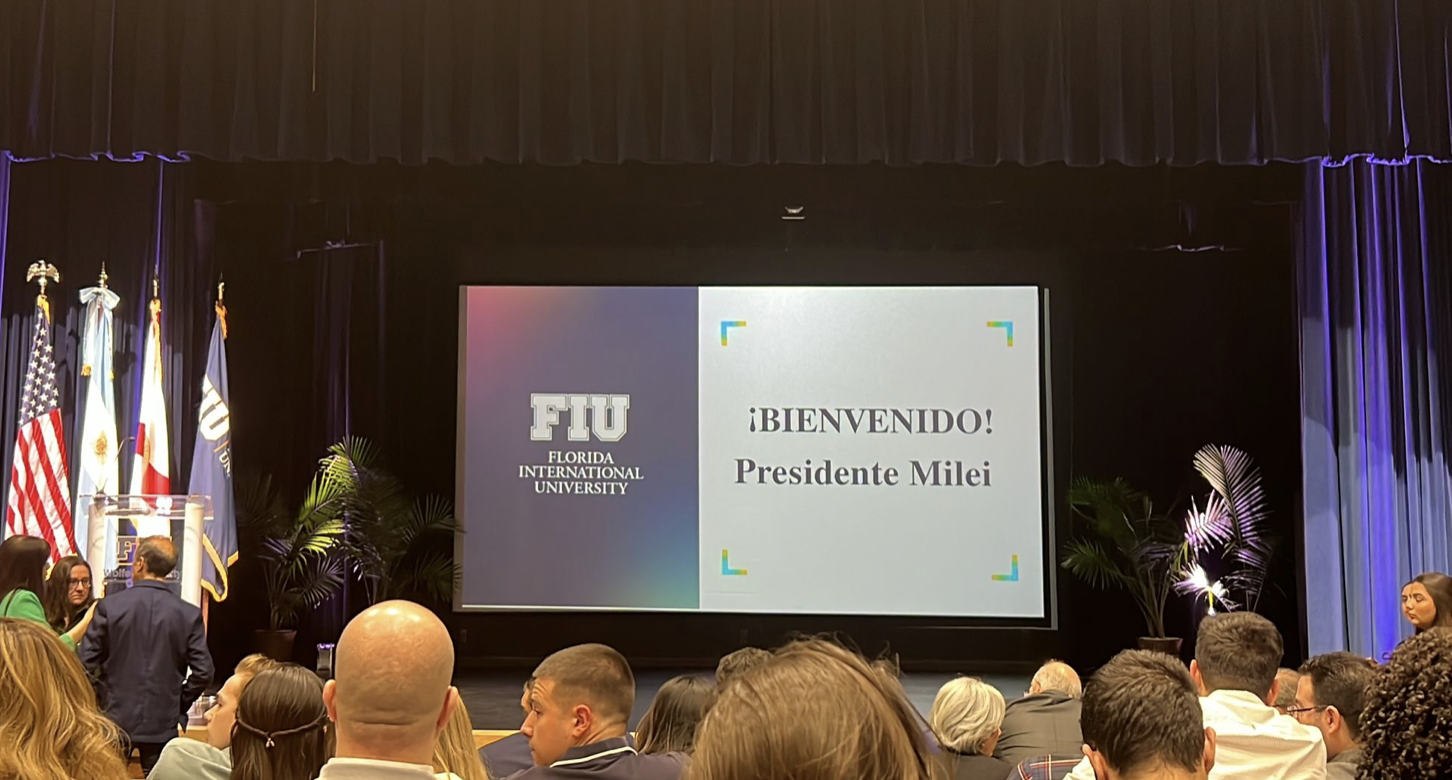
Milei's speech was not without controversy as he criticized European economic policy, economists Keynes and Stiglitz, Senator Lousteau, and Kirchnerism. With a blend of sharp criticism and solid argumentation, the Argentine president challenged conventional ideas about economics and politics, showcasing his commitment to a libertarian liberal approach.
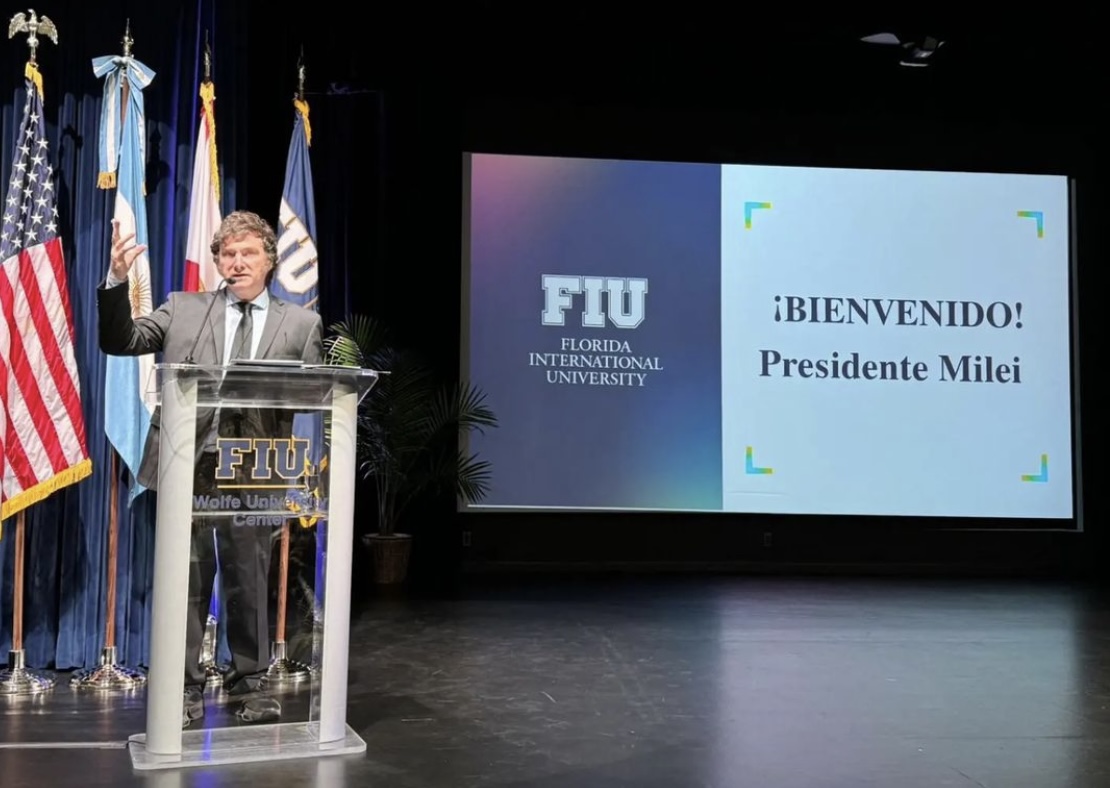
In an attempt to demonstrate authority and credibility on the subject, Milei adopted an expert tone, using extremely cultivated and sophisticated language. His references to economic theory, political history, and philosophy showcased his deep knowledge of the subject and his ability to analyze problems from a multidisciplinary perspective.
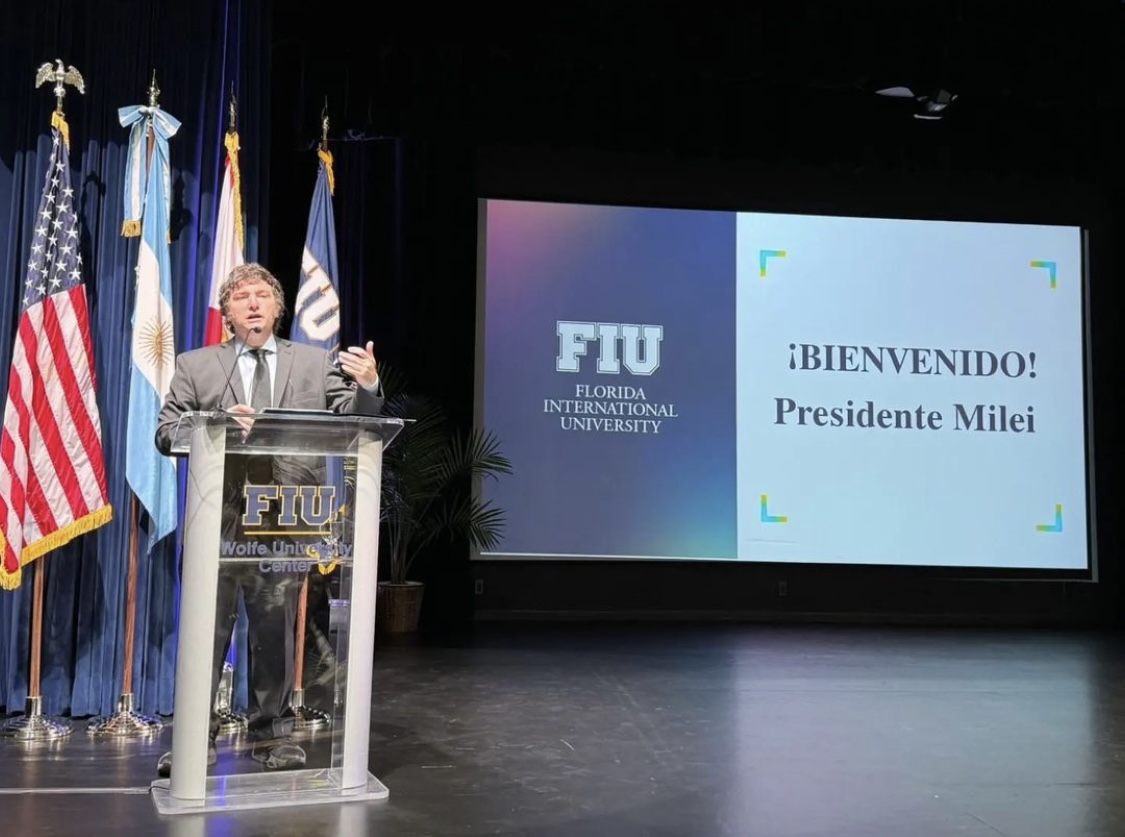
In addition to his speech at Florida International University, Milei met with important figures from the business and financial world in search of investments for Argentina. His commitment to the country's economic revival and his focus on entrepreneurial development were highlighted during these meetings, demonstrating his determination to drive growth and prosperity in Argentina.











Tu opinión enriquece este artículo: