
-
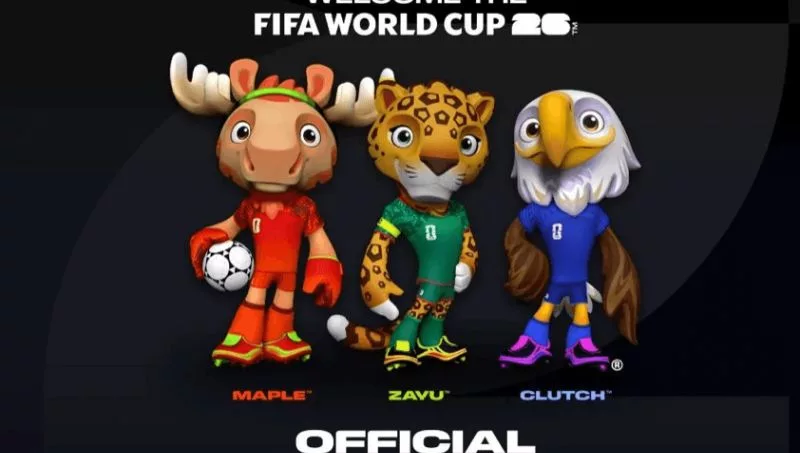
The 2026 World Cup arrives with a historic milestone: three host nations and 48 teams. In parallel, FIFA unveiled three official mascots for the tournament: Maple, Zayu, and Clutch.
-
A Canadian moose, a Mexican jaguar, and an American bald eagle that not only personify their national identities, but also stand for unity, diversity, and the fan experience.
-
In an era where sport is also the attention economy, these characters highlight how narrative, branding, and the in‑stadium experience sync with global markets and multichannel audiences.

The mascots: identity, symbolism, and market strategy
-
Maple (the moose, Canada): embodies regional diversity, street art, and leadership. Its presence points to a brand of football that embraces communities—from major cities to remote provinces—linking culture and sport in an inclusive experience.
-
Zayu (the jaguar, Mexico): symbolizes heritage, dynamism, and cultural celebration. Its attack‑minded on‑field profile and off‑field identity promote an image of a proud, festive Mexico capable of connecting countries through a shared passion for the game.
-
Clutch (the bald eagle, United States): represents audacity, optimism, and global reach. Its role as a bridge between fans and communities reflects North America’s ambition to position football as large‑scale entertainment with broad social impact.

Experience economy and brand value
-
Branding and merchandising: mascots are brand assets that drive sales of jerseys, collectibles, video games, and interactive experiences. With record global fan presence, these figures lift merchandising revenue and broadcast value.
-
Fan experience: interactive characters across stadiums, social media, and digital platforms increase engagement, time-on-brand, and audience loyalty—critical factors for growth in emerging football markets.
-
Digital ecosystem: as gaming and VR platforms integrate further, Maple, Zayu, and Clutch can headline immersive experiences, attracting younger cohorts and diversifying revenue streams.

Sociocultural and consumer perspective
-
Diversity as a core value: the trio reflects a regionalized North American vision that celebrates multi‑experiences, multilingualism, and cultural cooperation.
-
Community and belonging: the characters serve as symbols of shared identity, strengthening ties among fans in the U.S., Mexico, and Canada while widening the global base.
-
A narrative of celebration and unity: beyond the pitch, these mascots become vehicles for social‑impact campaigns, urban initiatives, and youth programs tied to football.

Editorial innovation and high‑impact coverage
-
Multi‑platform coverage: features, short documentaries, interviews with character designers, fan voices, and FIFA Store reps to showcase the full 2026 ecosystem.
-
Visual storytelling: interactive infographics with each mascot’s bio, event maps, and merchandising pathways to illuminate economic and social value.
-
Return analysis: measuring mascot impact on product sales, event attendance, and growth in TV and digital audiences throughout the tournament.
Historical context and precedents
Mascots in tournament branding aren’t new, but 2026—three host countries and 48 teams—elevates both complexity and monetization potential. Each mascot’s narrative becomes a platform for regional and global campaigns, linking culture and commerce.
Reference themes for deeper dives
-
The history of event mascots and their impact on sports branding.
-
Research on sports marketing, fan engagement, and media-rights monetization.
-
Sports sociology and the experience economy: how these figures shape identity and consumption.
Quotable insights and authority framing (editorial use)
-
“Mascots aren’t decorations; they’re bridges across cultures, generations, and markets. In a tri‑host World Cup, Maple, Zayu, and Clutch can turn the experience into a social and economic asset,” a sports marketing analyst might say.
-
“The entertainment economy sits at the intersection of play, storytelling, and digital platforms. These mascots expand that triangle—connecting stadium, screen, and community,” a brand management expert could add.
-
“Diversity and inclusion aren’t slogans—they’re business drivers when communicated with authenticity and consistency,” a sports sociologist would observe.
© 2025 Infonegocios Miami. Todos los derechos reservados.
Read Smart, Be Smarter!
https://infonegocios.miami/suscribite-al-newsletter
Para ponerte en contacto por contenido en Infonegocios Miami, puedes escribir a [email protected]
Infonegocios NETWORK: 4.5 million Anglo-Latinos united by a passion for business.
Join us and stay informed:
Contact Infonegocios MIAMI:
-
marcelo.maurizio@gmail.com



Tu opinión enriquece este artículo: