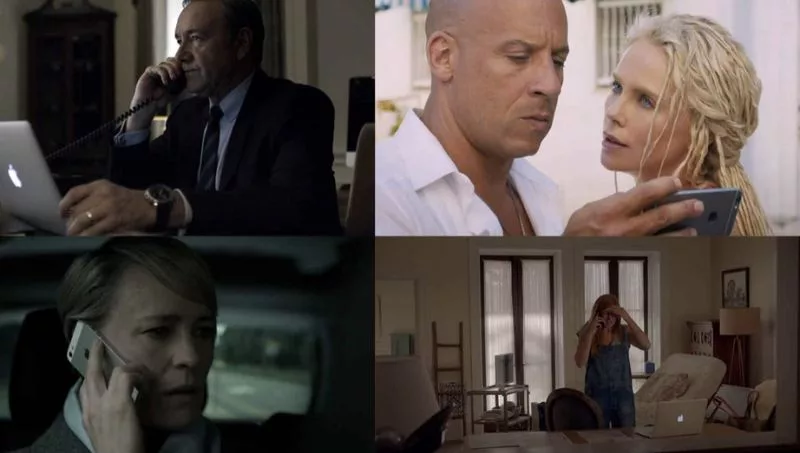
This subtle strategy works up to 11 times better than a very direct action with one or two influencers or in a TV program (non-traditional actions), as the product is actually placed in the script and in the story.
"Product placement" stands as a strategic art where the seamless integration of brands into visual narratives becomes a powerful tool for emotional connection with the audience, and far from being "out of fashion," it is now disguised and camouflaged within brand content.
However, not all branded content created is as intelligent, efficient, and effective as a strategic "native advertising" (which we will tell you about tomorrow) or a great "product placement." This can be done correctly in all campaigns with influencers, but they must be scheduled, scripted, with strategy, production, and branding.
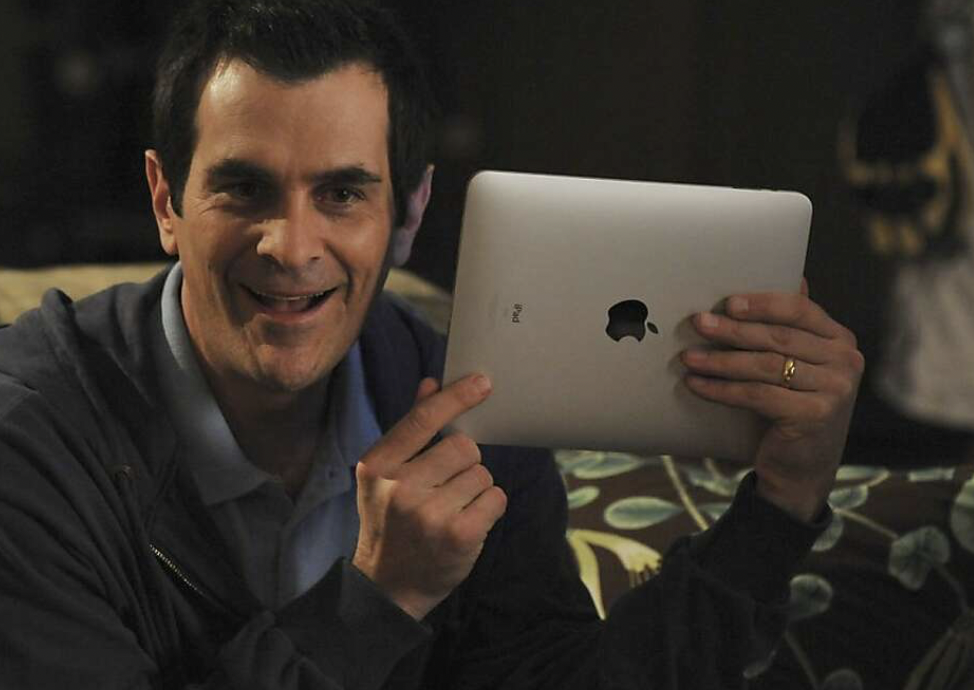
Some brands shine brightly, becoming undisputed queens of the screen, why? In a world saturated with information, these brands have shown that the key is not only to be seen but to be remembered. Let the game of "product placement" begin in the viewer's mind!
Apple: The Monarch of "Product Placement"
Micro-Summary: Apple not only manufactures iconic products but also dominates the big screen with strategic "cameos" in movies and series.
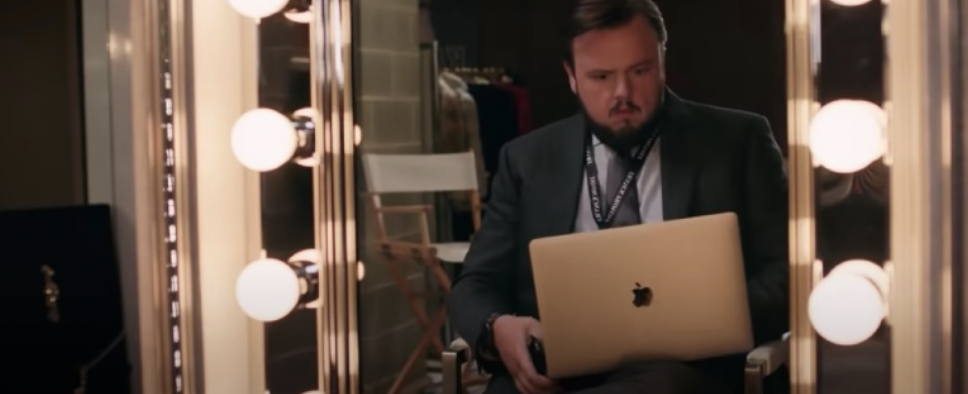
Technical Details: Apple's omnipresence in film and television is undeniable. According to a recent report by Merchant Machine, the Apple brand has achieved an impressive 1,884 appearances in movies, positioning itself as the undisputed queen of cinematic product placement.
Neurolanguage: Apple's strategy is based on a fearless integration of its products into plots, without hesitation to display its iconic logo. This bold approach has helped the brand position itself as the most visible and memorable on screen.

Coca-Cola, Nike, and Sony: The Real Competition
Micro-Summary: Coca-Cola, Nike, and Sony closely follow Apple, demonstrating that the competition for screen attention is fierce.
-
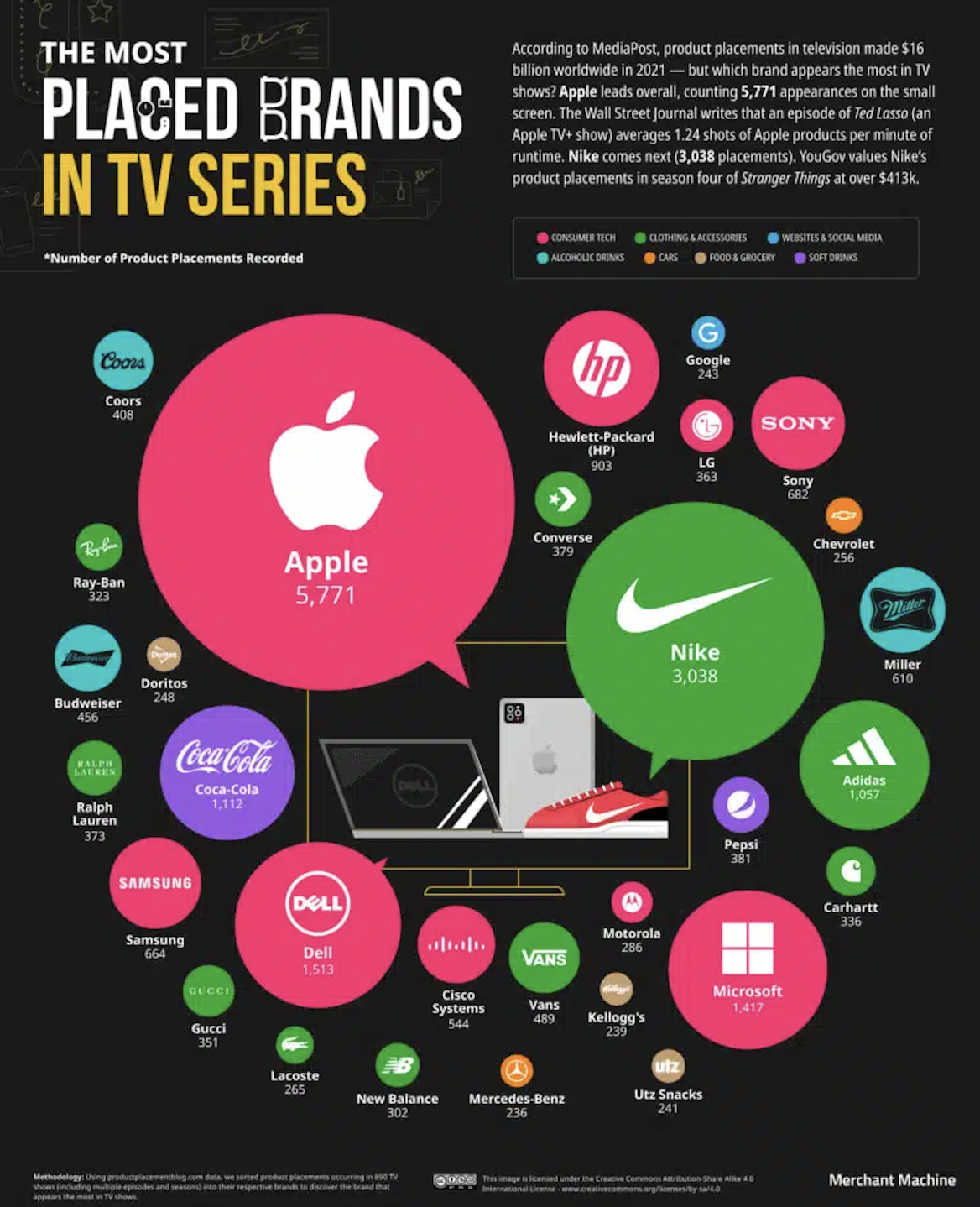
Technical Details: Coca-Cola ranks second with 1,026 placements, followed by Nike (912) and Sony (870). These brands not only offer products but have also perfected the art of integrating their visual identities into the narrative fabric of movies and series.
Neurolanguage: The competition for visibility in product placement drives these brands to be creative in how they are inserted into narratives, seeking an emotional connection with the audience.
The Power of Products: MacBooks, iPhones, and Sneakers
Micro-Summary: Some specific products stand out as true protagonists in product placement.
-
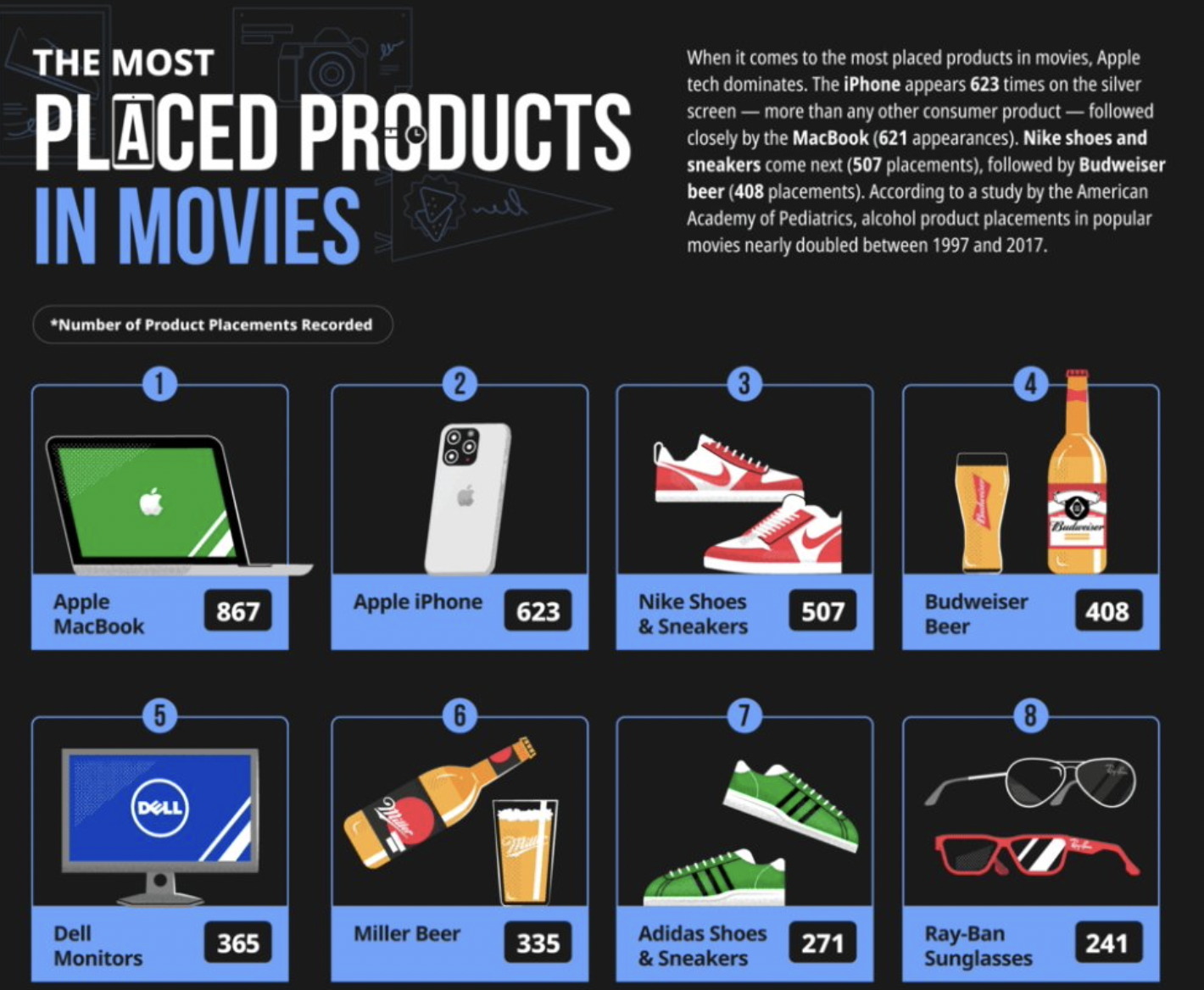
Technical Details: The most notable products in film are Apple's MacBook (867), the iPhone (623), Nike sneakers (507), and Budweiser beers (408). Each of these elements is not just an object on the screen but an extension of the story.

Neurolanguage: The presence of these products becomes a visual and sensory experience, activating the viewer's memory and emotions uniquely.
Screens that Dazzle with Product Placement
Micro-Summary: Some movies and series stand out for their density of product placement, becoming leaders in subtle advertising.
-
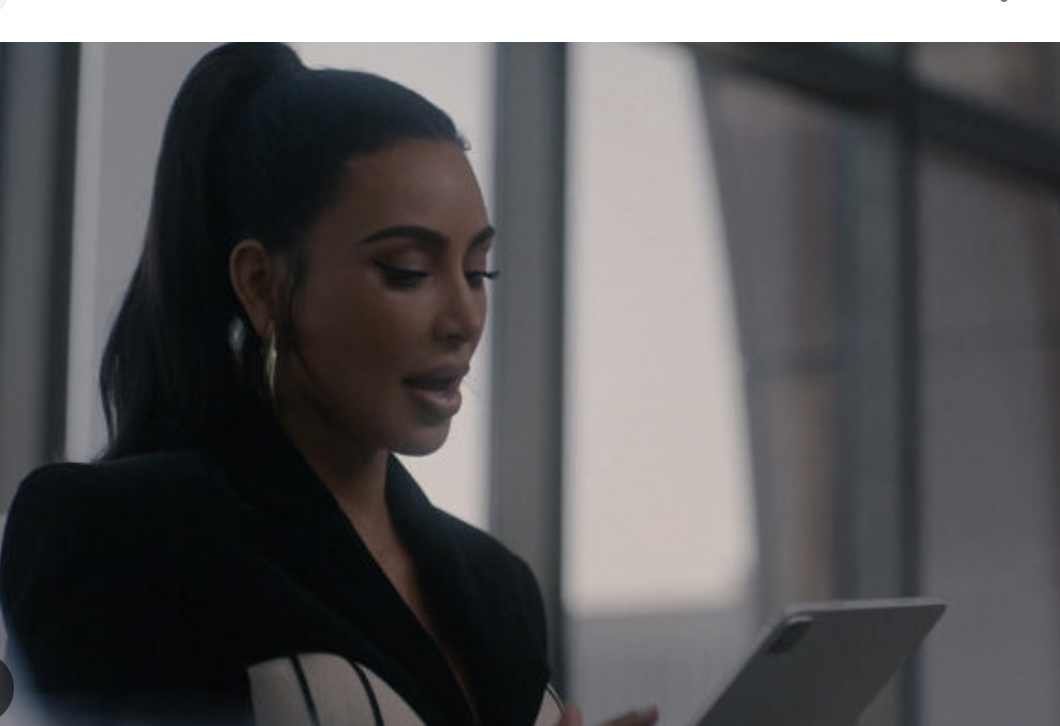
Technical Details: Films like Talladega Nights: The Ballad of Ricky Bobby (8.24 brands every 10 minutes) and Ocean’s 8 (6.85 brands every 10 minutes) lead in advertising integration. On television, Apple maintains its reign with 5,771 appearances.
Neurolanguage: These productions not only entertain but also create an immersive advertising experience, leaving a lasting impression on the viewer's mind.
The Future of Product Placement
Micro-Summary: Brands like Apple and Coca-Cola set their own rules by integrating into series and movies.
-
Technical Details: Companies like Apple have clear guidelines, such as avoiding villains from using their products, demonstrating that product placement is not only strategic but also carefully managed.
-
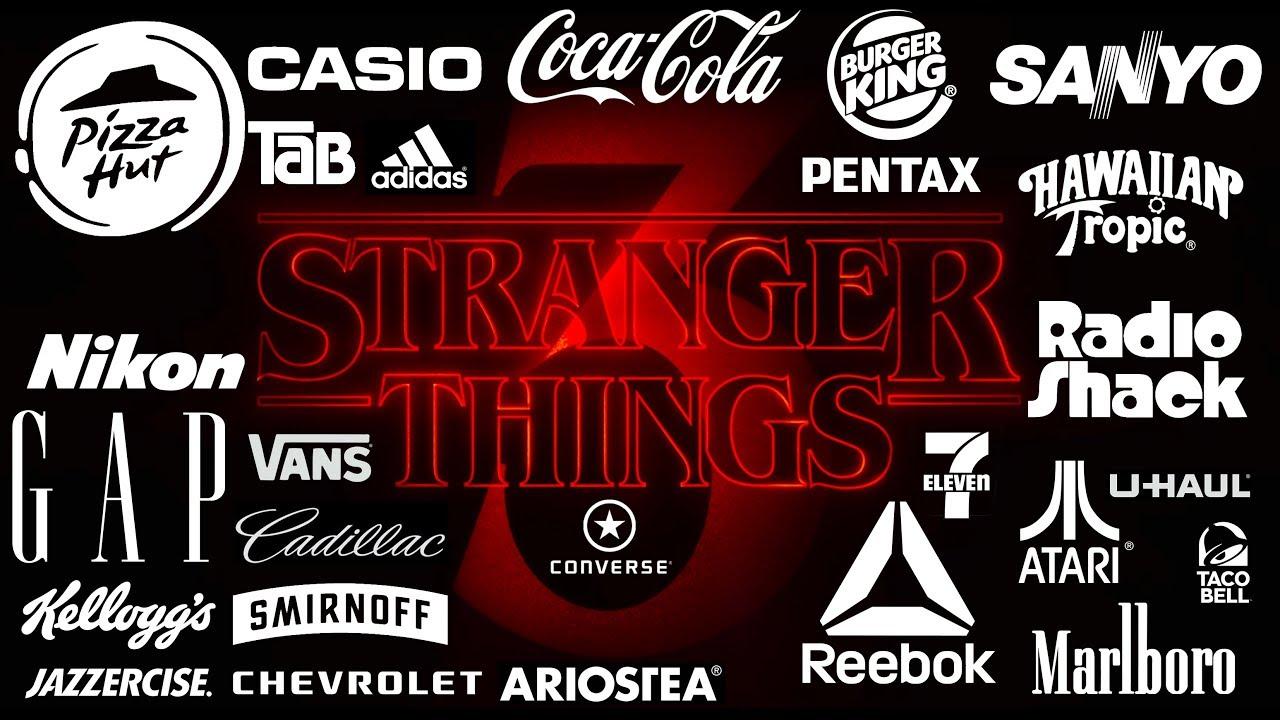
Neurolanguage: The brand perception is solidified by associating only with certain positive aspects, creating a subconscious connection that persists beyond the screen. Stranger Things is a clear example of the power of branded content within a naturally placed script.
-
Very Important Tips:
What has always happened and you may not have realized for years, in 2024 hire a strategist to define your brand and strategy plan, then generate cross-channel and phygital
branding actions, hire a comprehensive Head of Culture agency, and then create campaigns with content placements in various contexts.
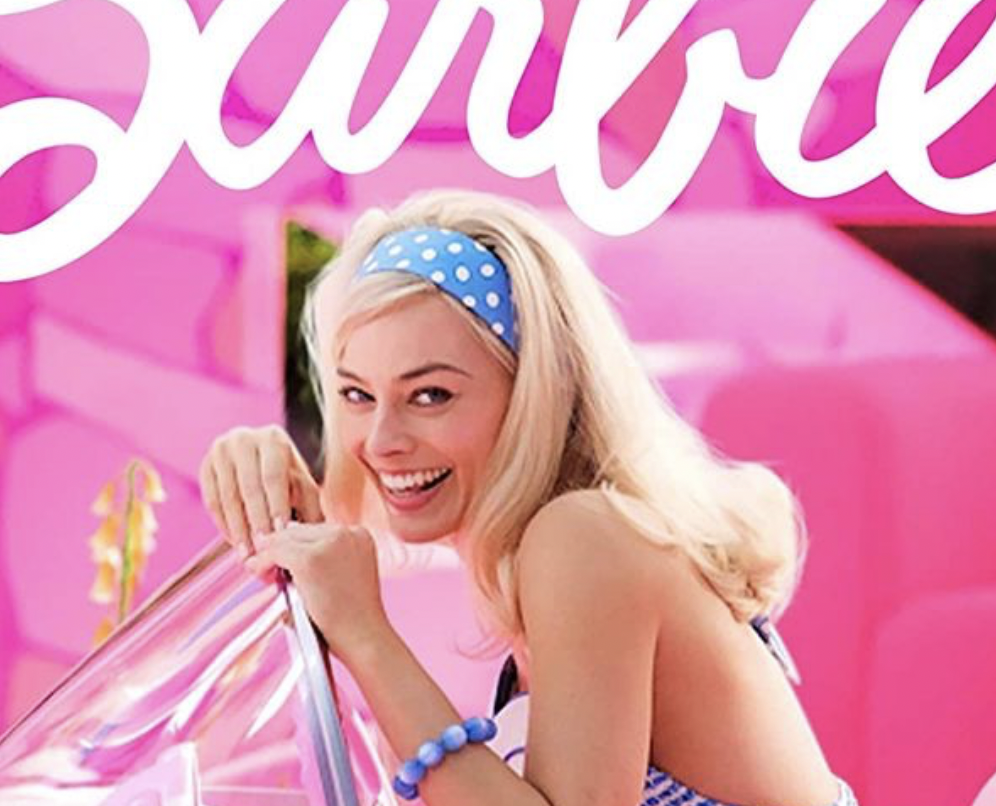
In other words, place your brand in the context of playful games, in your neighborhood square, in your city club, in your target audience's local TV program, in the natural lives of many influencers (don't use just one, use many and script and produce the "natural" placement of the content in their lives; if it's noticeable and feels like a "commercial," it only benefits the influencers, but if many influencers use your product or service and showcase it naturally, it benefits you - the brand).
IG: @infonegociosmiami










Tu opinión enriquece este artículo: