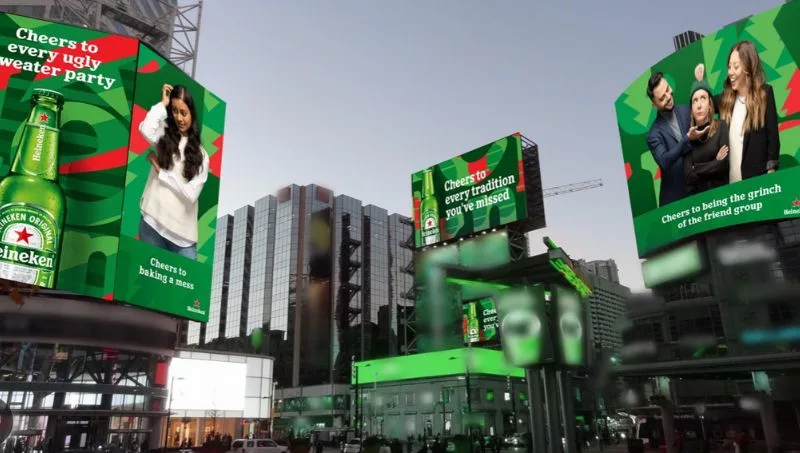
Media Investment: One of the Two Big Mistakes Most Companies and Entrepreneurs Make

(By Juan Maqueda and Marcelo Maurizio from Miami) Investing in media is a fundamental part of any marketing strategy worth its salt. It is through the media that companies, brands, personalities, politicians, and others can reach their target audience and promote their products or services. In recent years, we have seen a significant increase in investment in digital media, leading to the claim that 50 or 60% of advertising investment is allocated to online media. However, this assertion is misleading, as not all advertisers invest in digital media to the same extent.

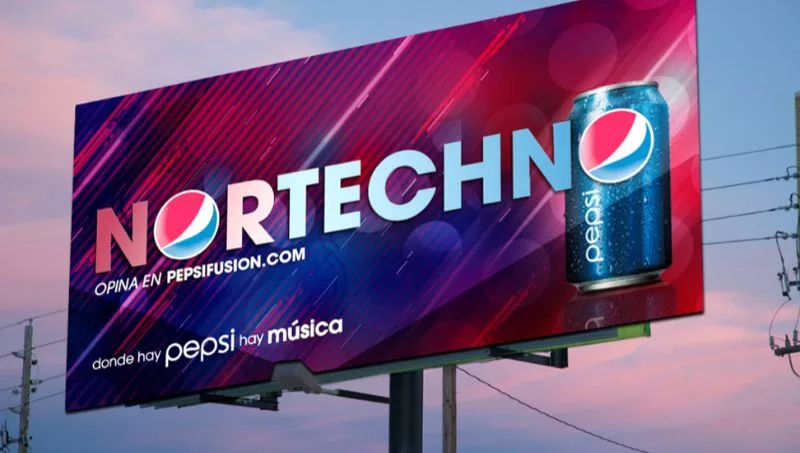
When discussing advertising investment in digital media, it is usually referring to investment in platforms such as Google or Facebook. These platforms have experienced exponential growth in recent years, leading many companies to focus on online advertising. However, it is important to note that online advertisers are in the millions, whereas those investing in traditional media such as television, radio, outdoor (billboards-OOH), or print media are much fewer in comparison.

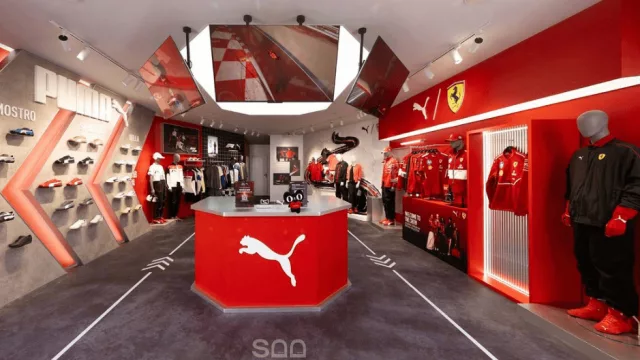
Coca-Cola, Pepsi, Apple, Heineken, Adidas, Red Bull, Boss, etc., do not allocate the majority of their total marketing budget to Google or Meta. However, neither do the majority of successful B2B companies. Startups or successful companies invest in sponsoring, local advertising, promotions, OOH (out of home), experiences, brand logistics, team uniforms, merchandising, demonstration and loyalty actions, etc.

It is true that advertising investment in digital media has experienced significant growth in recent years. According to eMarketer, worldwide advertising investment in digital media will exceed $517 billion in 2023, representing a compound annual growth rate of 17.6% since 2018. However, investment in digital media is not uniform across all companies.

Successful large companies, in particular, do not invest 60% of their budgets in digital media. These companies have a wide range of media options available to them, including television, radio, print media, cinema, outdoor media, and events. In fact, investment in digital media can be as low as 10% for some companies that focus on mass consumption products.

Recommendation: Whatever type of tech company you are, it's time to review the entire culture of those who recommend that you go all-digital.

It is important to note that choosing the right media is crucial for a successful marketing strategy. Not all companies need to use the same media to reach their target audience. Companies that focus on older consumers, for example, may benefit more from advertising in traditional media such as television or print media. In the case of younger targets, advertising placed in videos (product placement) in influencers, series, gaming, concerts can be a great differentiator.

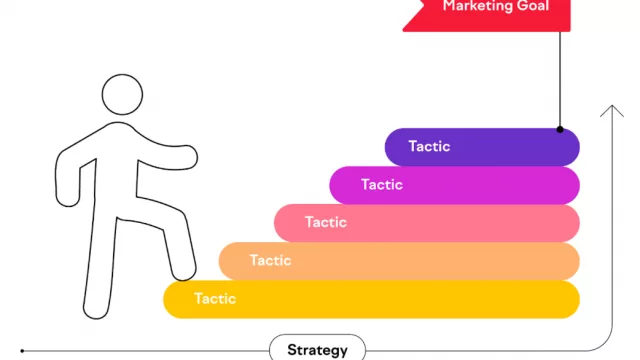
Furthermore, it is important to note that investing in media is not the only marketing tool available to companies. Companies can invest in branding, public relations, direct marketing, and other strategies to reach their target audience. Choosing the right strategy will depend on a series of factors, such as budget, target audience, the message they want to convey, and competition in the market. On the other hand, companies that focus on younger consumers may find more benefits in advertising at concerts, shows, bars, and clubs.


Tu opinión enriquece este artículo:

La Reprogramación Política: Cuando la coherencia derrota al dogma (un artículo que todo político y ciudadano tiene que leer)

(Análisis estratégico, por el equipo de anglolatina: Mauvecin, Molina, Maurizio, Rotmistrosvky, Maqueda, Rodriguez Otero. Dirección: Maurizio) El paradigma político ha mutado. La era donde un líder podía prometer en campaña y traicionar en el gobierno—como ejemplifican figuras desde Maduro hasta Petro—ha caducado. La inteligencia estratégica contemporánea, potenciada por IA y tecnología omnipresente, exige algo radicalmente simple y devastadoramente complejo: coherencia entre palabra y acción.


(Tiempo de lectura de valor: 4 minutos)

El código Kast: cómo la neuropolítica redibuja Chile y el futuro de anglolatina (análisis integral)

(Análisis estratégico, por el equipo de anglolatina: Mauvecin, Molina, Maurizio, Rotmistrosvky, Maqueda, Rodriguez Otero. Dirección: Maurizio) El 58% de Kast no es un giro político casual. Es el primer algoritmo neuro electoral exitoso de LATAM. (Consecuencia del triunfo de Milei en Arg). Descubre el patrón oculto que replicarán 5 países en 24 meses. Análisis estratégico de nivel élite.

(Tiempo de lectura de valor: 4 minutos)

Chile: insight y patrón claves, detrás del triunfo desde las capas de análisis estratégico-data-AI

(Análisis estratégico, por el equipo de anglolatina: Mauvecin, Molina, Maurizio, Rotmistrosvky, Maqueda, Rodriguez Otero. Dirección: Maurizio) Los próximos 24 meses verán emerger el 'Kast de Colombia', y claramente Brasil va ir hacia el mismo destino, y cualquier acción en contra de esa natural mejora o evolución, solo le hará más mal a Brasil, y a Latam. No serán copias de Kast. Serán mejoras del software original. 

(Tiempo de lectura de valor: 4 minutos)

¡River campeón en la Tierra de Messi! La Academia Millonaria gana la Messi Cup (y demuestra muchas cosas más que goles)

(Por Redacción Deportiva Infonegocios Miami, desde la Messi Cup) El equipo Sub-16 del Club Atlético River Plate, dirigido con astucia por Martín Pellegrino, se coronó campeón invicto de la primera edición de la Messi Cup al vencer por 2-0 al Atlético de Madrid en una final vibrante disputada en el Chase Stadium del Inter Miami.

(Tiempo de lectura de valor: 4 minutos)

La Messi Cup en Miami, una planificación estratégica que optimiza el potrero 3.0 y cambia y “limpia” el futuro de las inferiores

(Por el Equipo de Infonegocios Sport (Cánepa-Ortega-Maqueda-Maurizio) Lo que a simple vista parece una anécdota futbolística –River Plate venciendo 2-0 al Atlético de Madrid en la Messi Cup– es, en realidad, la radiografía perfecta de la revolución silenciosa que está reescribiendo el modelo de negocio del fútbol latinoamericano. Ya no se trata solo de ganar copas; se trata de codificar el ADN del futuro fanático global desde los 15 años.

(Tiempo de lectura de valor: 4 minutos)

Ranking Best Global Brands 2025: cómo el valor de marca se ha convertido en la nueva moneda de la guerra geoeconómica

(Por Maurizio y Maqueda) Olviden el PIB. Ignoren los índices bursátiles. El verdadero mapa del poder en el siglo XXI no se mide en billones de dólares de producción, sino en miles de millones de dólares de significado. El informe Best Global Brands 2025 de Interbrand no es un simple ranking; es una radiografía de la jerarquía cerebral colectiva de la humanidad. 

(Tiempo de lectura de valor: 4 minutos)

La Casa Coca-Cola: el último y definitivo movimiento en la guerra por la atención (la era del branded planet phydigital)

(Por Maurizio y Maqueda) Es una declaración de guerra existencial contra la irrelevancia. La Casa Coca-Cola es la materialización física de una verdad brutal que el marketing (crossing) global estaba ignorando: el producto “solo” está en terapia. Larga vida al planeta y ecosistema de marca, a la expansión de categorías y experiencias temáticas conceptuales.

(Tiempo de lectura de valor: 4 minutos)