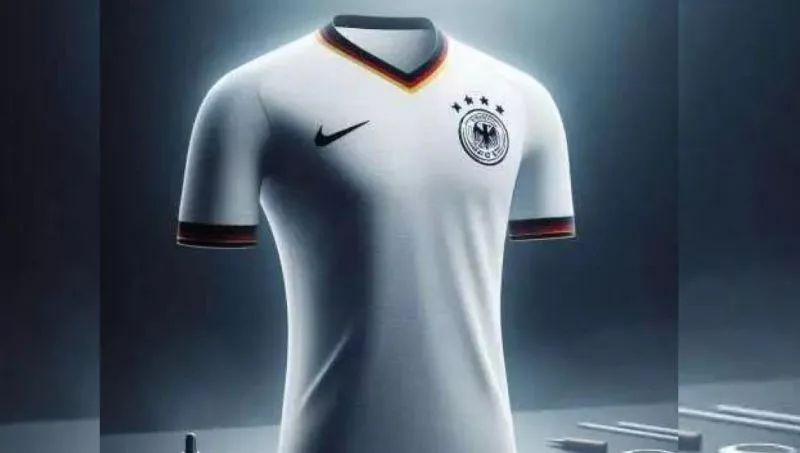
What motivated Nike to offer twice as much as Adidas to Germany, and why didn't Adidas bid higher? Beyond the economic factor, are there deeper reasons behind this significant rupture? Does Germany feel jealous of Messi and Argentina's leadership, backed by Adidas's overwhelming influence in America and the United States, especially with the Beckham phenomenon?
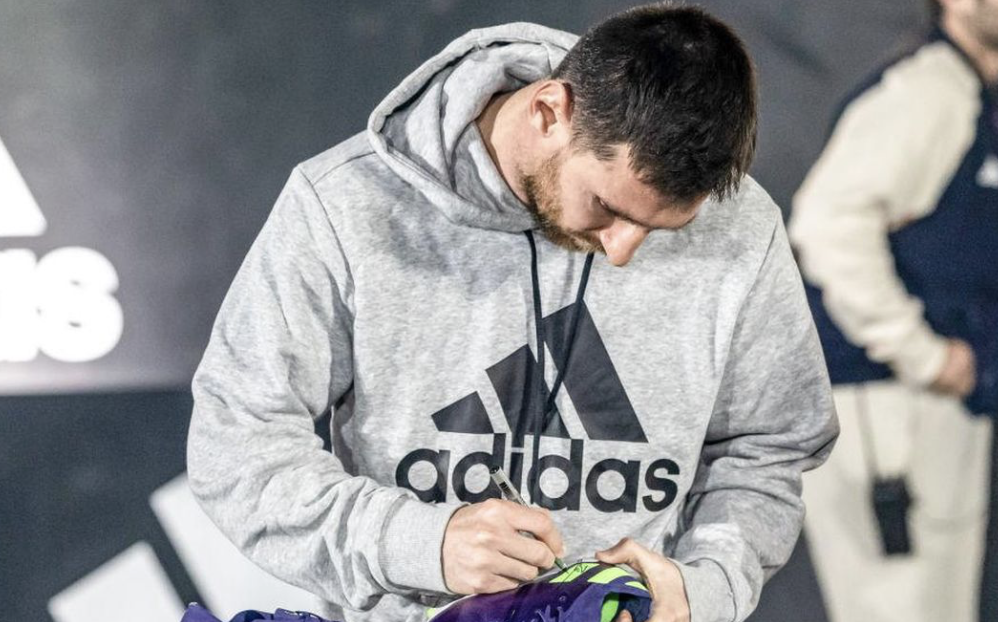
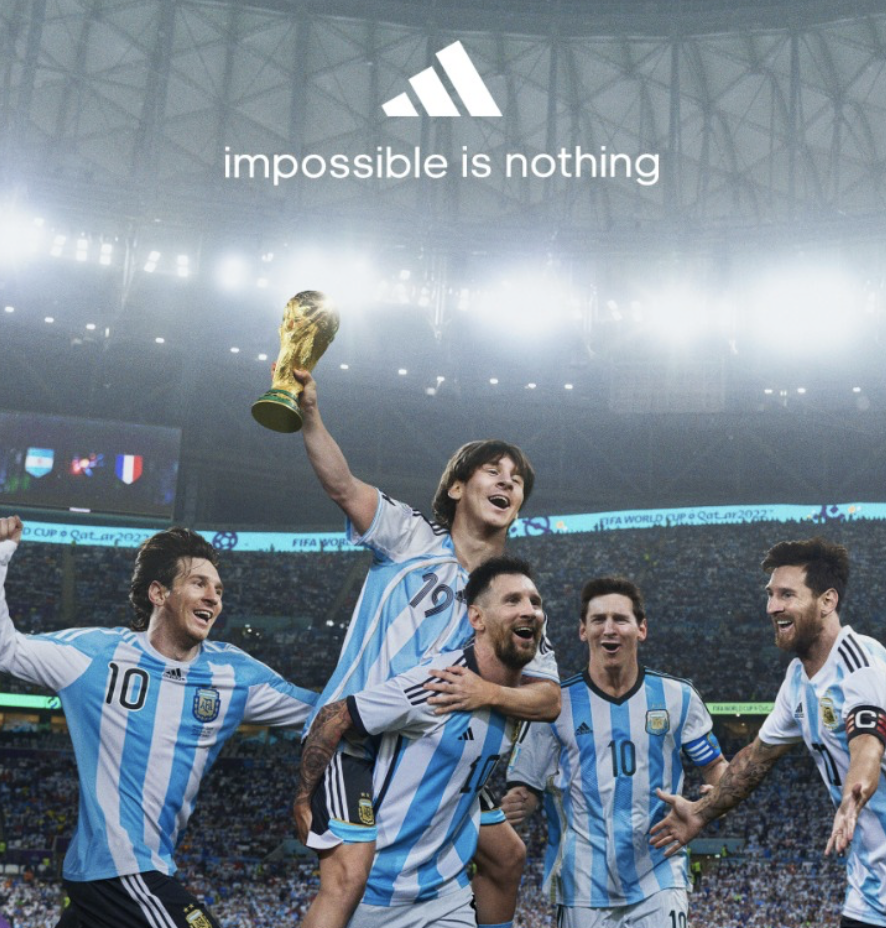
Adidas's striking association with Argentina and Messi-Inter Miami CF has shaken the football world, forcing Nike to react to counter this strategic blow. Could it be that Germany seeks to reposition its brand and national team in the face of Messi and Argentina's overwhelming presence on the international stage?
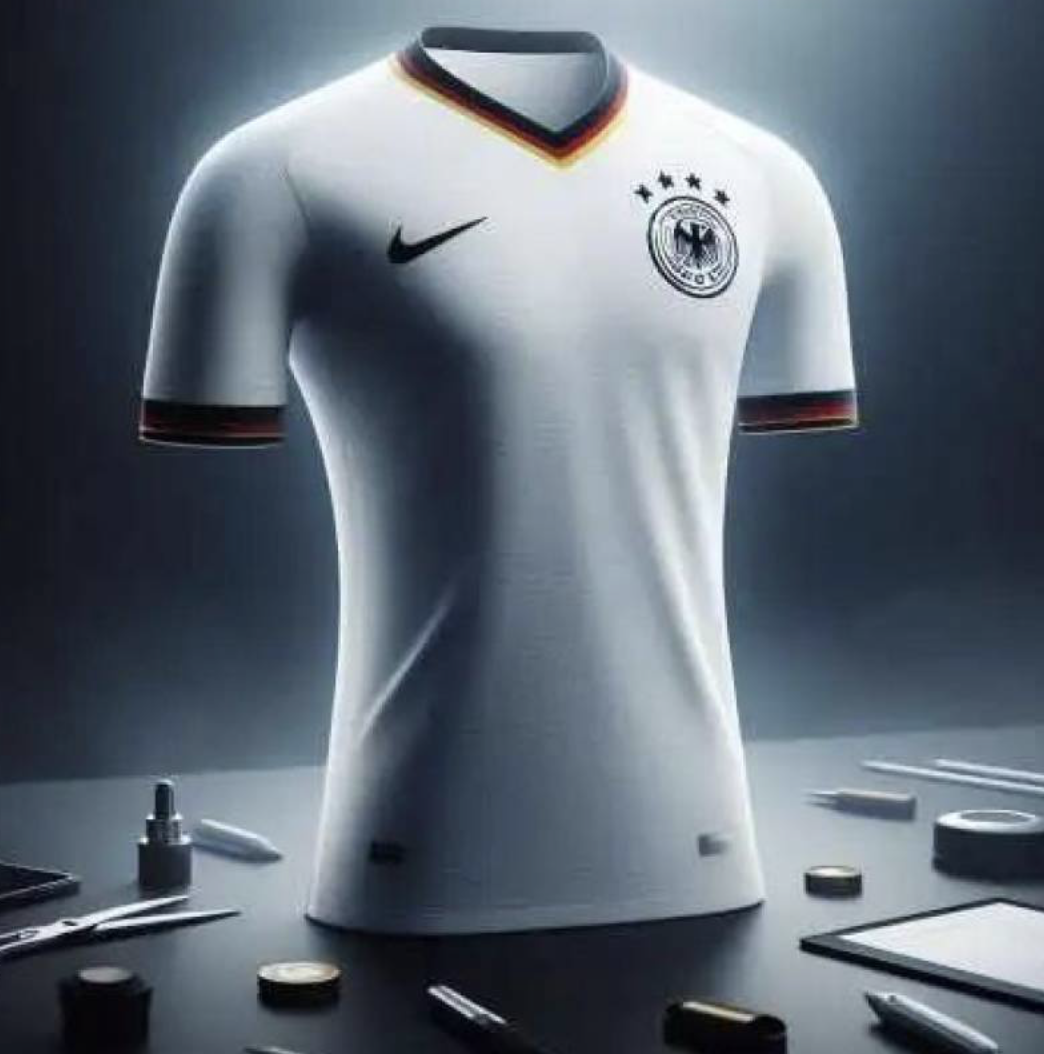
Would 2027 be an ideal moment for Germany to capitalize on its strategy and for Nike to reciprocate Adidas's invasion of its territory? How has Nike positioned itself against Adidas in this battle for supremacy in the sports apparel market? Adidas continues to grow in its stock value... Nike literally lost ground in the USA, not only due to Messi mania but also because of Argentina and Inter Miami. Nike has secured victory in this "strategic battle" by offering not only the best economic offer but also a content vision that actively promotes the development of football and sports in general. Its commitment to promoting youth categories and women's football in Germany has deeply resonated with the German Football Association (DFB), consolidating its position as the new official supplier from 2027.
What will be the economic and sporting impact of this change for Germany and Nike? While the exact financial details of the agreement have not yet been fully disclosed, it is estimated that the contract between Germany and Nike will exceed €100 million annually, representing a significant income for the DFB. This agreement not only guarantees a stable income flow for the federation but also places Nike in a privileged position to shape the image and future of German football in the coming years.

The Nike Proposal:
How much will Germany earn with Nike? Bernd Neuendorf stated that "Nike made by far the best economic offer and also convinced with its content vision." According to Handelsblatt, Nike's contract with the German Football Association is €100 million annually, totaling €800 million until 2034.
Germany renewed its last contract with Adidas in 2022 and agreed to €50 million annually until 2026. Previously, the German brand had aimed at €25 million annually, so in its last renewal, it had to double the figure.
So the actual figures are: Contract from 2018 to 2022: €25 million annually (Adidas), Contract from 2022 to 2026: €50 million annually (Adidas).
Contract from 2027 to 2034: €100 million annually (Nike), (Simply €400 million more than what Adidas offered for the next 8 years).
The legacy of Adidas and the future of Nike in sports apparel: Germany's departure marks the end of a golden era for Adidas in its homeland, which has dressed the 'Mannschaft' since 1954, contributing to the conquest of four World Cups and three men's European Championships, as well as two World Cups and eight women's European Championships. However, Nike is prepared to take over and continue the legacy of excellence in sports apparel. What does this change mean for the global sports apparel market?
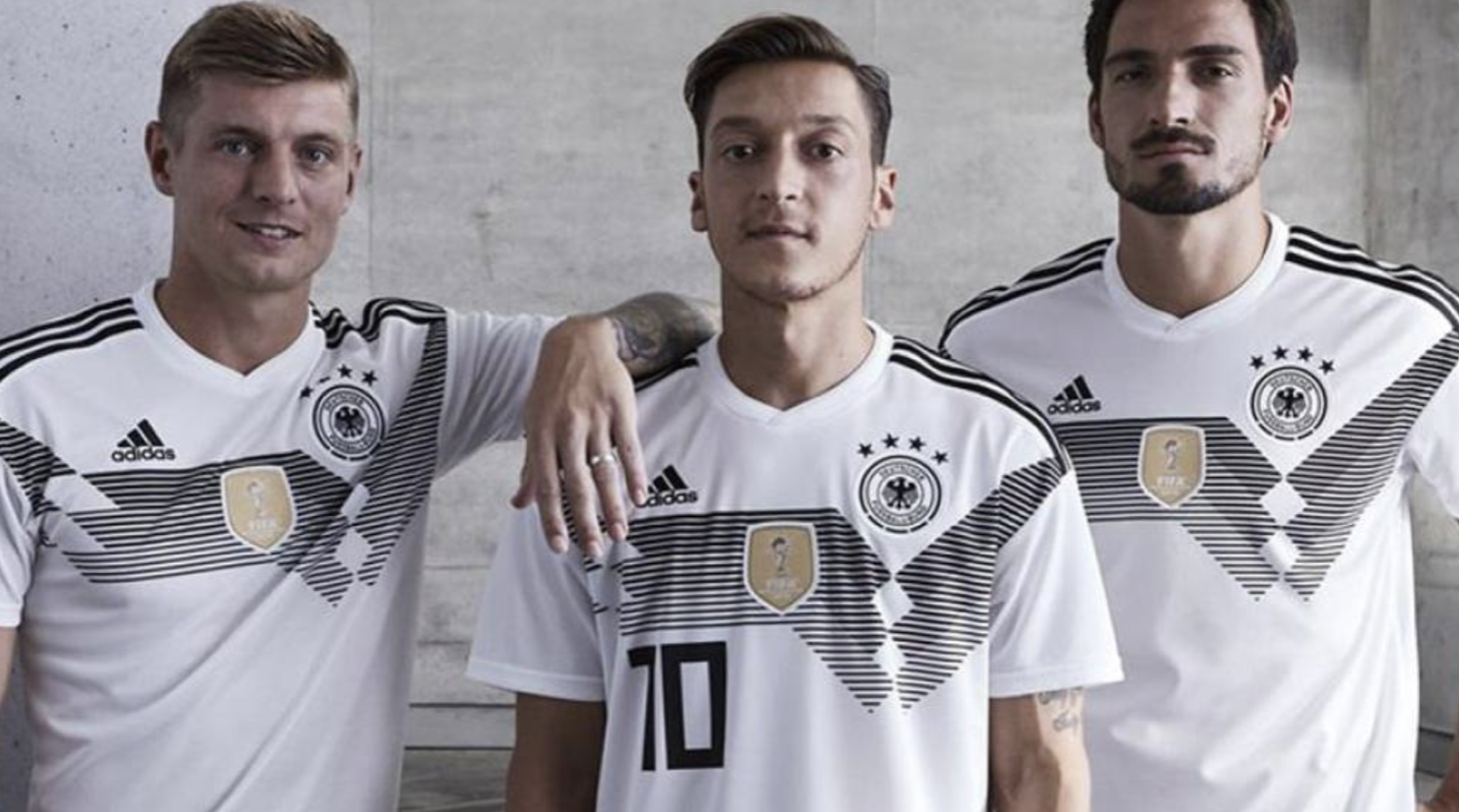
The competition between Nike and Adidas for dominance in the sports apparel market has taken a historic turn with Germany's change of allegiance. This exciting chapter in the history of international football reminds us that, beyond the playing fields, the competition for supremacy in the world of sports is as strategic and fierce as any sports showdown.
A matter of positioning, ego, shareholders, reputation, or marketing competitiveness? If Germany qualifies for the 2026 World Cup, that will be the last World Cup for the German brand, while Nike secures the periods for the 2030 and 2034 World Cups. Germany and Nike are ready to write a new chapter in this exciting saga, while the football world eagerly awaits the impact of this decision in the years to come.
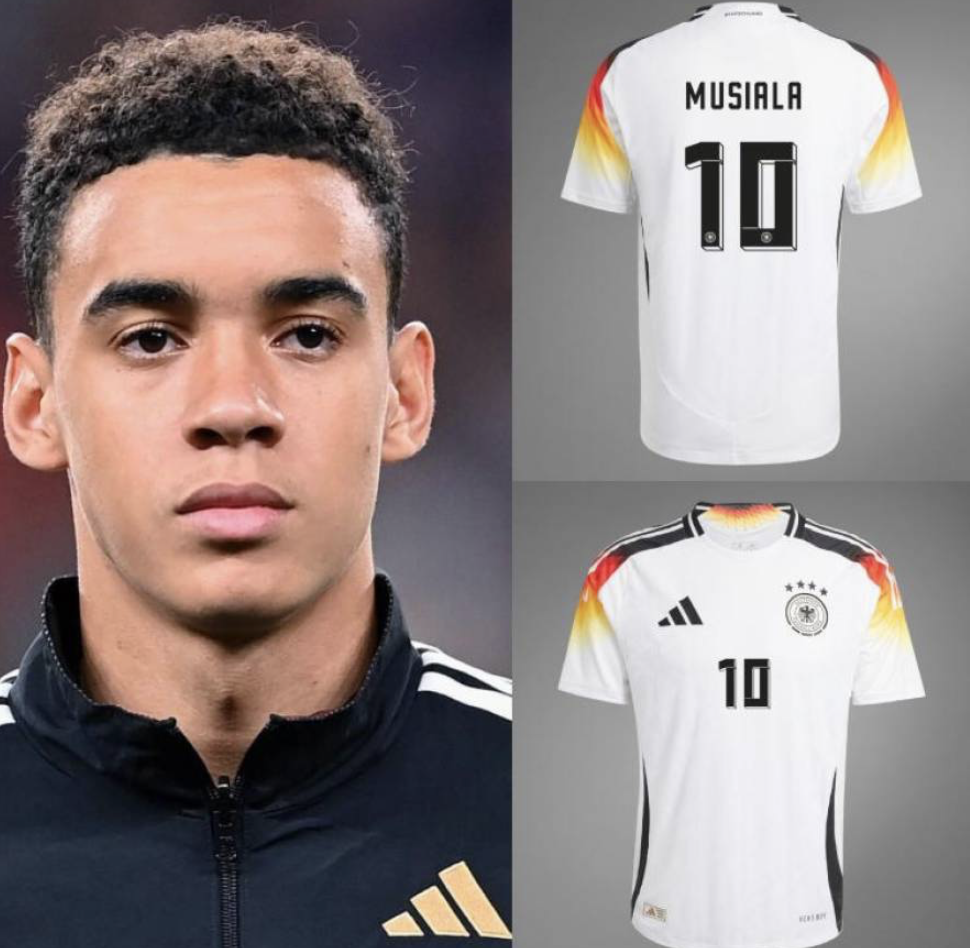
Does Germany want to position its own "number 10"? "The German Messi" The player wearing the number 10 for the team led by Nagelsmann will be Bayern Munich's forward, Jamal Musiala.
Germany cannot bear the image of football, not only in sports but also in intellectual, strategic, discipline, values, strengths, reputation, being Argentine... a Latin, and now a kind of "Anglolatino" hand in hand with an Englishman, in the USA.
Sociologically, strategically, in terms of positioning, this is judged by Germany as chaos. A huge defeat psychologically, motivationally, and in terms of the "German Sport" brand and economically.
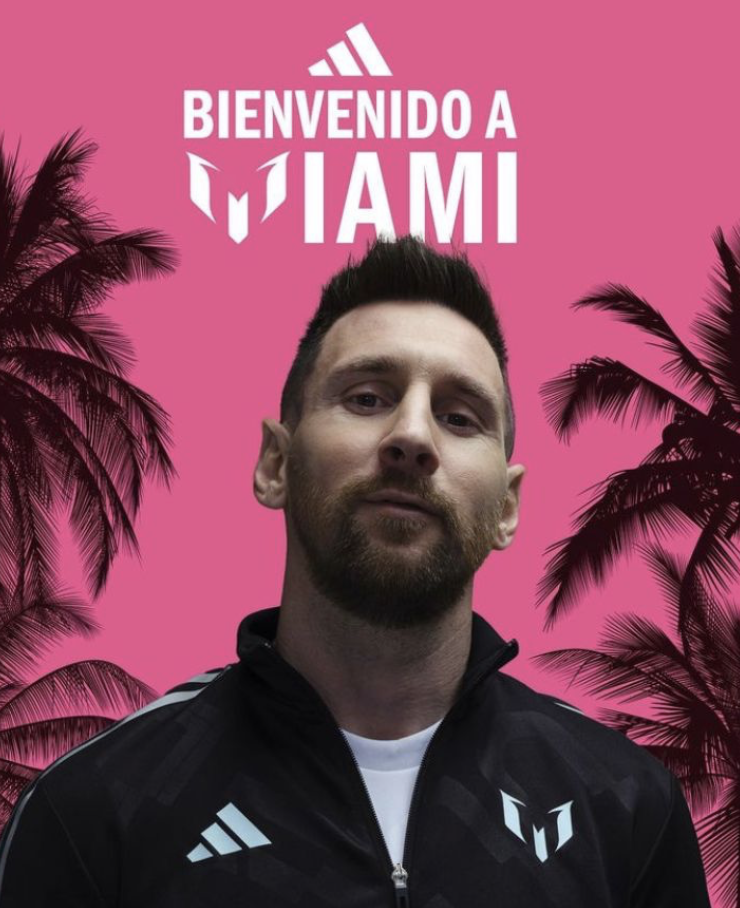
Everyone loves Messi, that's too much for Nike and for Germany. United out of spite or competitiveness? Losing one or two World Cups is one thing, and having a famous star, an "example" team outside of Germany is another, and worse is someone representing the "leadership of football" and that leadership not being the "German methodology".
For Germany (the country that has been emblematic of team, values, discipline, merit, prestige, honor, respect), this is a drastic, very drastic fact to reverse. It might sound harsh, egocentric, even arrogant, but it is nothing less and nothing more than the competitiveness that led Puma and Adidas themselves to be what they are today. That aggressive, competitive spirit made them the "masters" of sports marketing, and they developed it precisely in Germany, through their "enormous rivalry".
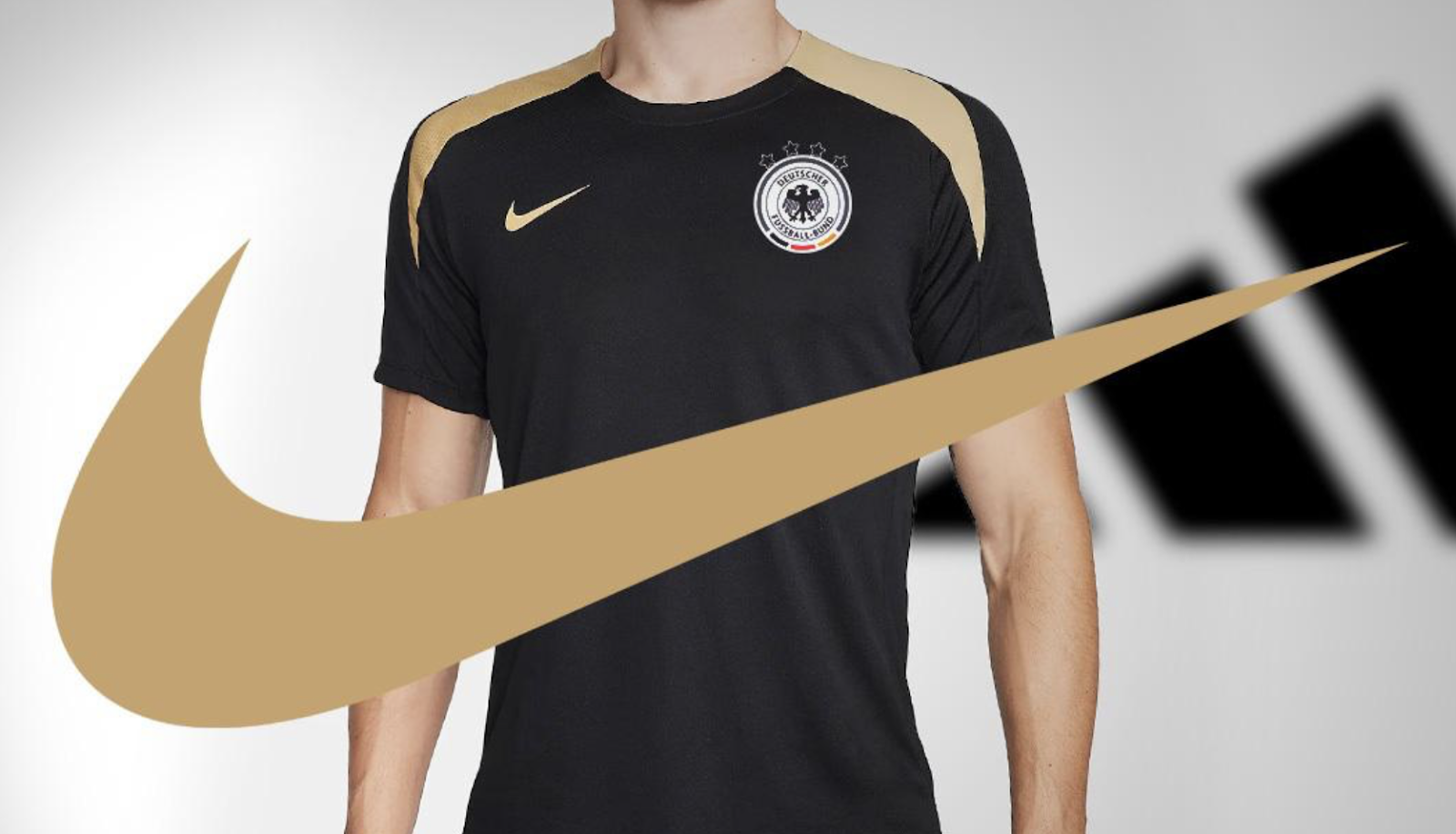
On the other hand, Germany has been synonymous with the highest sporting "deserve", even though Brazil is the most successful, it never questioned Germany as the entity and the team at the top in terms of discipline, values, positioning. Today Messi, Argentina, Adidas, and very astutely the USA - Inter Miami CF (Beckham), Miami, simply capture attention and boast the highest perceived value.
And Miami being the capital of the "Anglolatino" world makes all this very strategic, in the eyes of Nike and in the eyes of the Teutons, something strong has to be done to counterattack. What had to happen happened.
Strategists always play a "move ahead". So... see you after the World Cup in North America? It must be understood that in certain strategic planes, the almost "chess-like gazes, but also with hyper-competitiveness, with exaggerated and often fanciful and melodramatic edges", are part of the economic game, and of course, part of the brand war (whether clothing or "country-sport brands").
For pragmatic purposes, German football will significantly increase its budget to do many things for its clubs, for its national teams, and for the growth of women's football.
Conclusion: Everything is part of the sports competition, not only on the field, but also in the market, and this exciting chapter in the history of international football reminds us that the battle for supremacy in the world of sports is as strategic and fierce as any sporting contest.








Tu opinión enriquece este artículo: