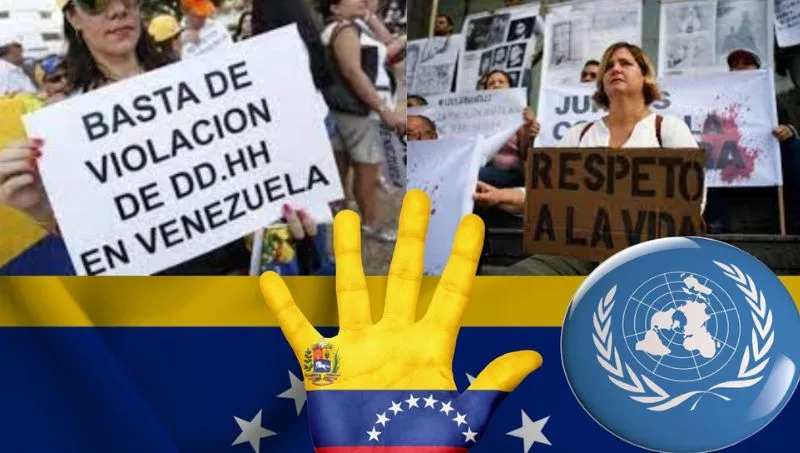
I. Migrations and the Venezuelan Crisis:
-
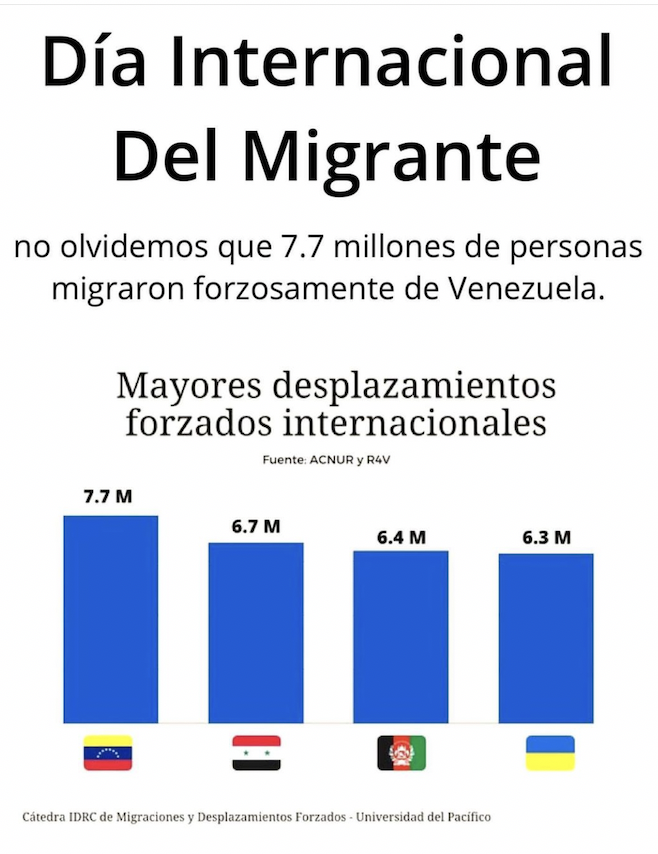
Staggering Data: According to ACNUR and OIM, more than 7.5 million Venezuelans have left their country since 2015 due to the growing socio-economic and security crisis.
-
Unrealistic International Inaction and Fanatical Ideological Bias: How much longer will the exodus of Venezuelans be necessary for America to recognize the totalitarian and antidemocratic nature of Maduro's regime?
II. The Paradox of Latin American Left:
-
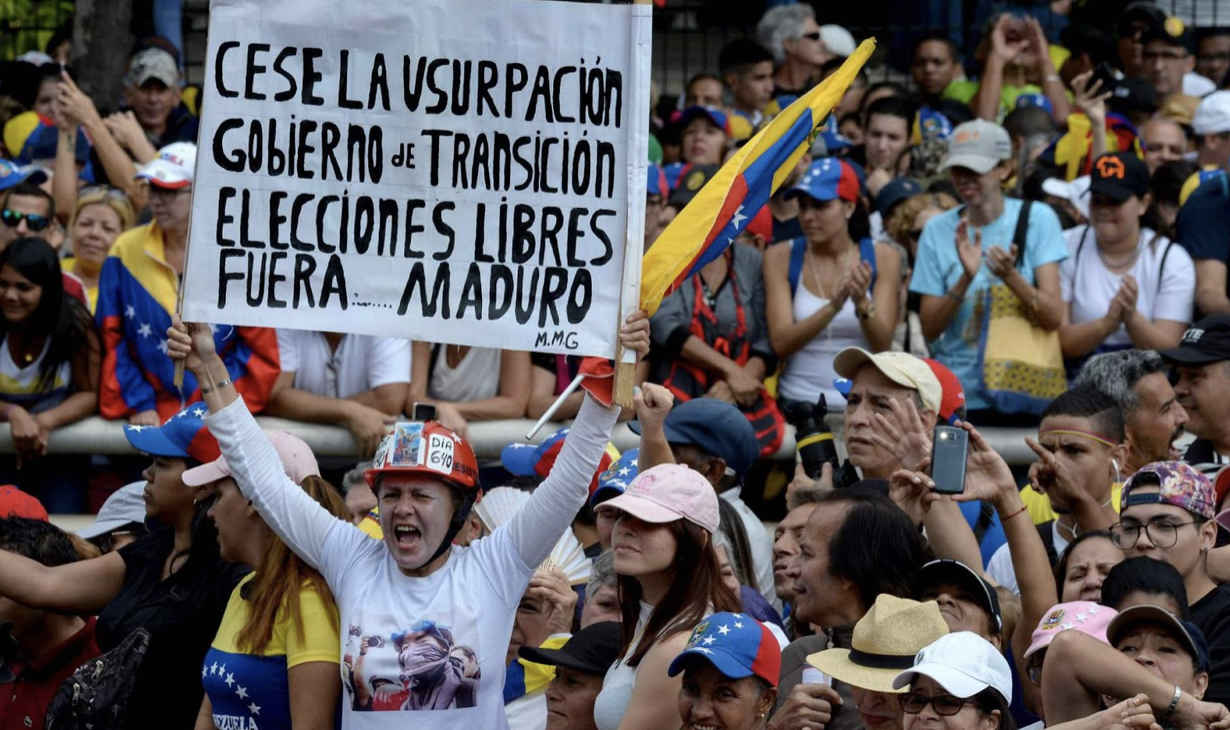
Complicit Silence: Why do left-wing governments, human rights organizations, and workers' movements not condemn regimes like Cuba and Venezuela? Is it an omission for ideological convenience?
-
Inaction of International Organizations: What does it imply for left-wing politics to acknowledge corruption and poverty in Venezuela due to the inaction of the OAS, UN, and other human rights organizations?
III. Collision of Perspectives: Lula (Also López Obrador, Petro, and Kirchnerism in Argentina) vs. Lacalle Pou and Boric:
-
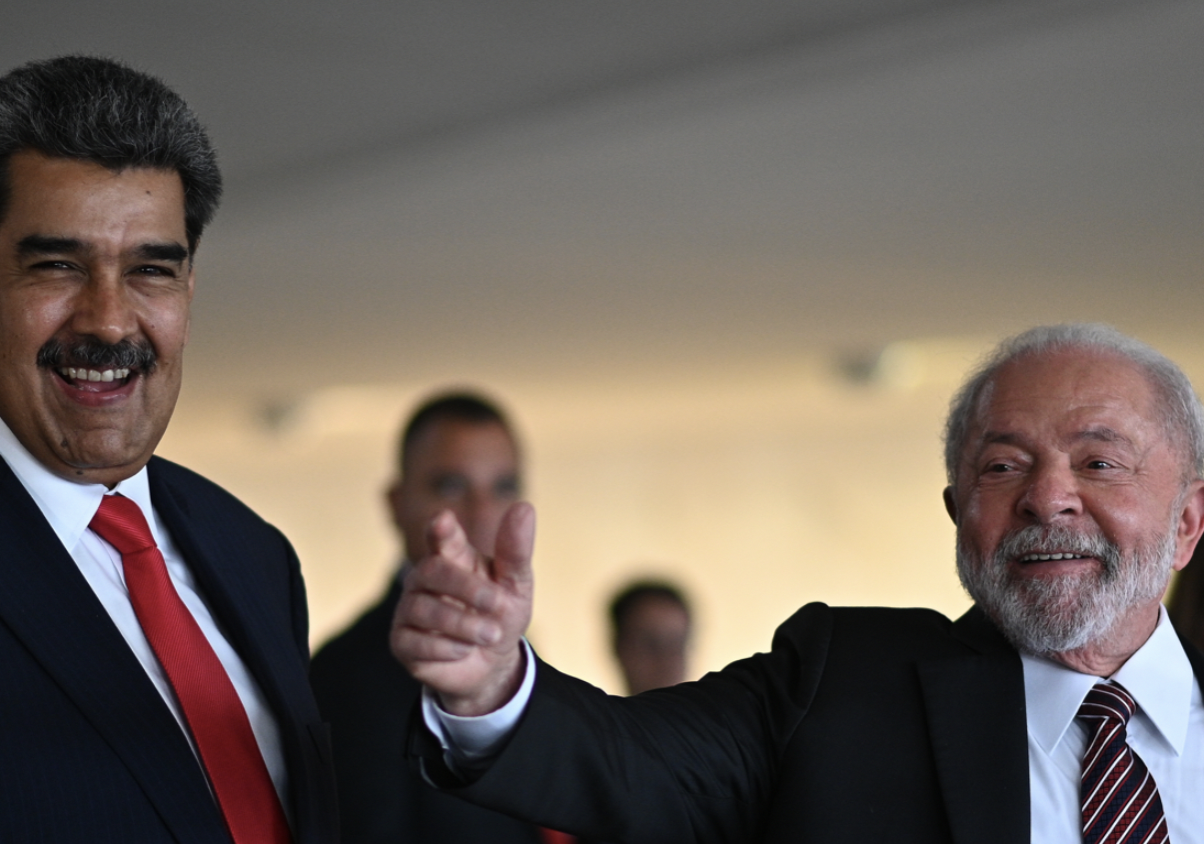
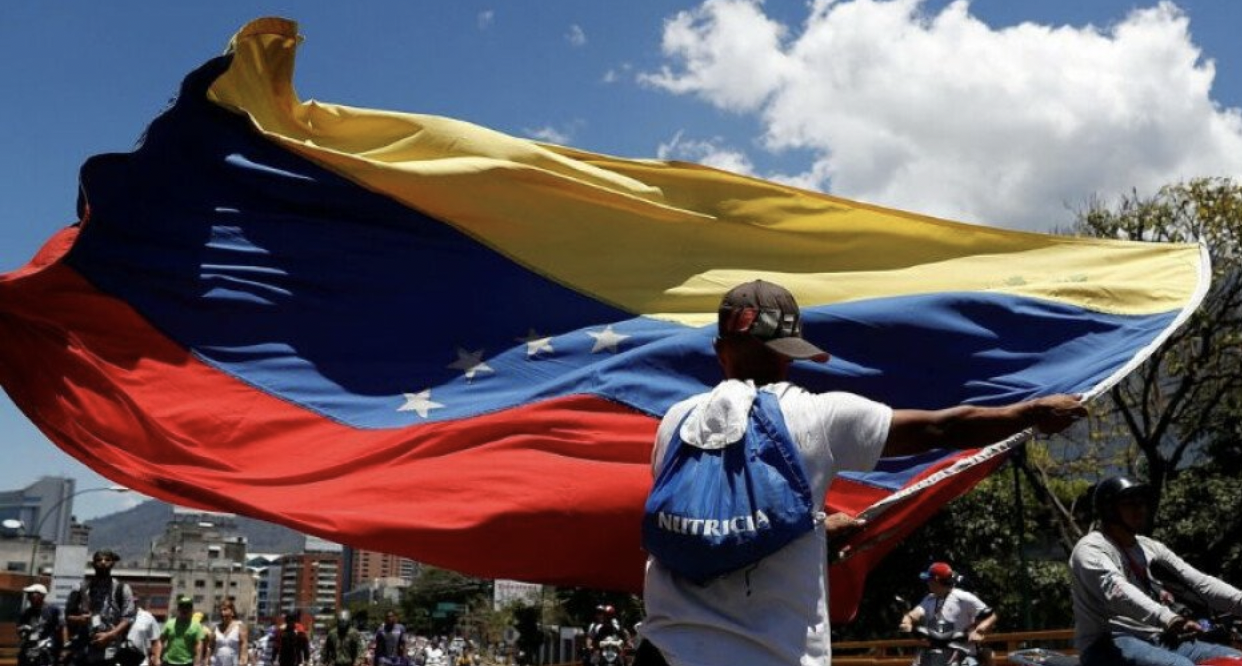
Divergence in Evaluation: Lula da Silva downplays problems in Venezuela, while leaders like Lacalle Pou and Boric emphasize the seriousness of the human rights situation.
-
U.S. Position: Adviser Juan González advocates for a realistic assessment, causing disagreement with Lula and highlighting the division of perspectives. (Biden is not clear and has generated many biases as well, showing a lightness and a bias that is not even accepted in his own party regarding the tyranny in Venezuela).
IV. Economic Impact of Totalitarianism:
-
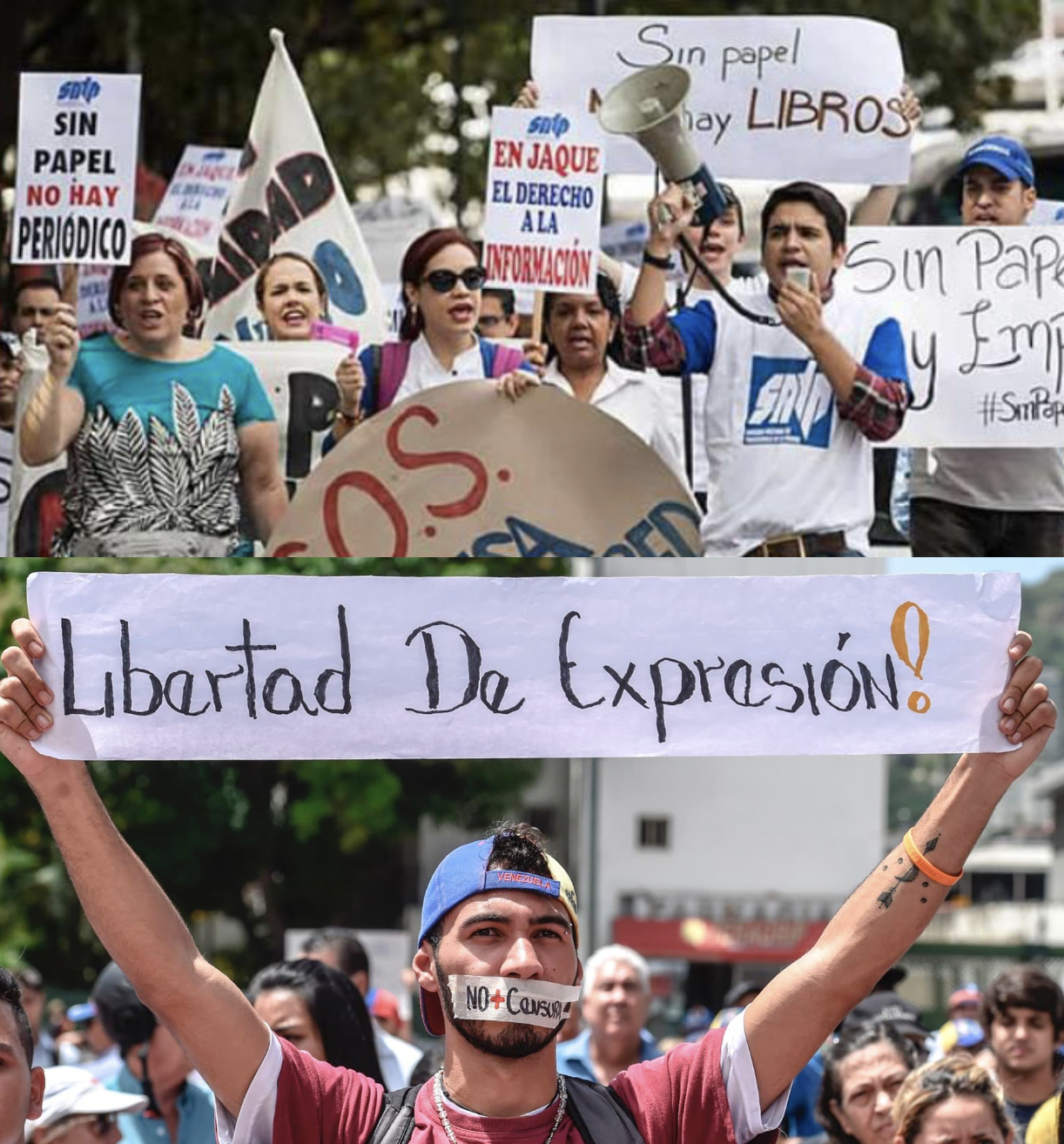
Obstruction to Progress: Totalitarianism and ideological fanaticism hinder the continent's advancement. The economy of America is severely affected by regimes perpetuating poverty, corruption, and loss of freedoms.
-
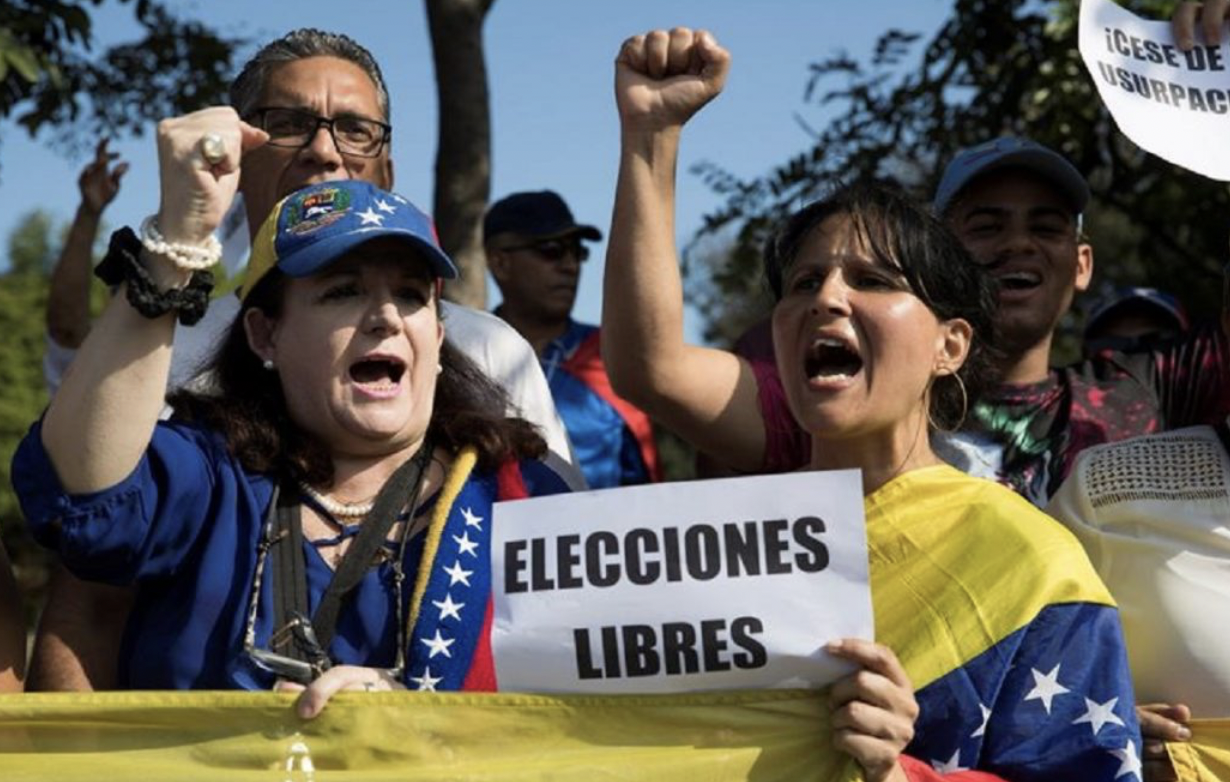
Irreconcilable Defense: How can organizations and leaders defend pseudo-democracies that have only generated setbacks and corruption?
V. United States and the Struggle for Truth:
-
Disagreement with Lula: The United States demands Lula retract his comments on democracy in Venezuela. Juan González emphasizes the need to identify the precise situation.
-
Courage of Latin American Leaders: Lacalle Pou and Boric, and now Mieli (Argentina), stand out for refuting the perspective of Lula, Petro, López Obrador, recalling the fundamental principles for which many have fought.
VI. The UN Report on Venezuela:
-
Evidence of Atrocities: The Independent International Mission of the United Nations on Venezuela presents evidence of a systematic plan of persecution, imprisonment, and torture of opposition, constituting crimes against humanity.
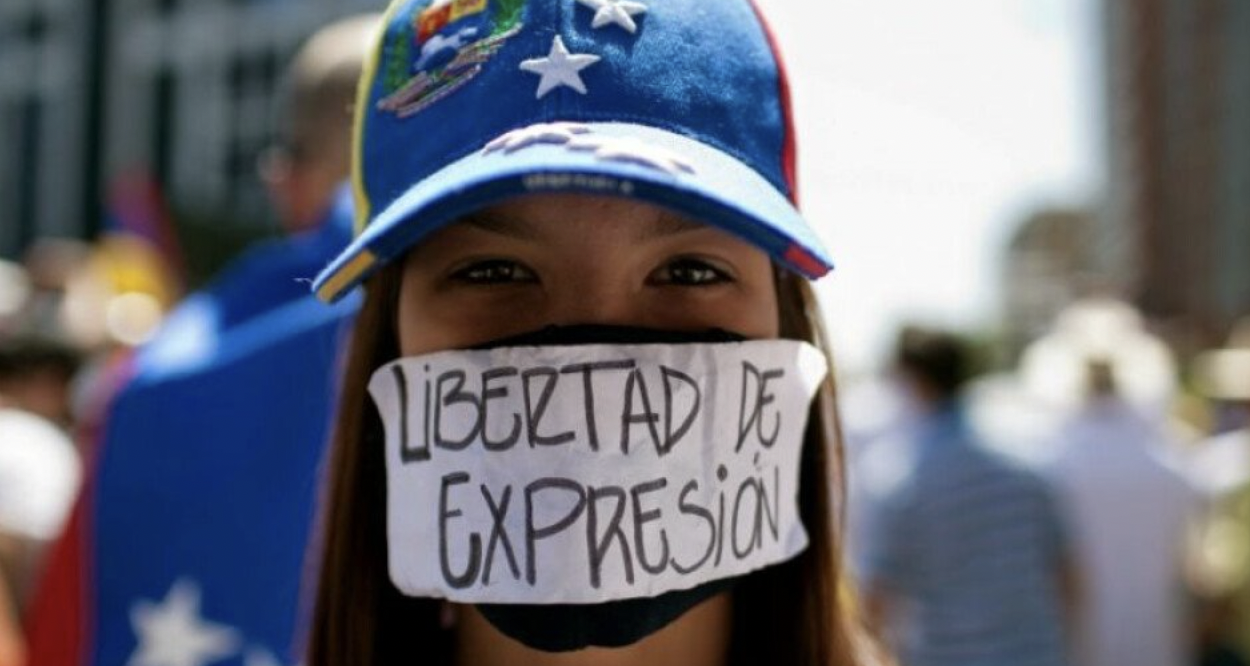
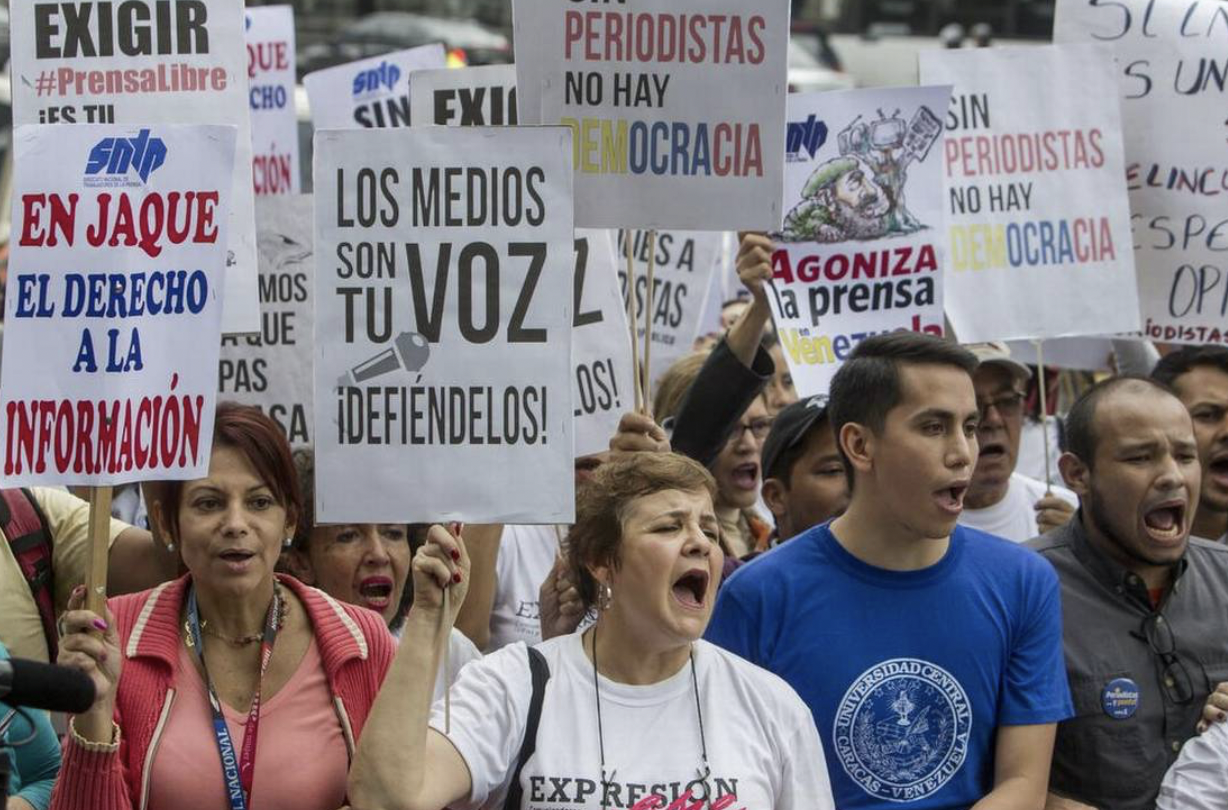
Limited Disclosure: Despite the decisiveness of the report, the Latin American press shows a worrying lack of coverage. Why is this crucial issue omitted?
-
Here is the access to the UN reports on the confirmed crimes in Venezuela, carried out by the Maduro regime:
The situation in Latin America demands an honest assessment and collective action. The Venezuelan migration crisis and ideological blindness hinder the continent's progress. From a broad perspective supported by experts, it is imperative that the region address these challenges with seriousness and coherence. The recognition of truth, condemnation of totalitarian regimes, and the protection of human rights are crucial to building a fairer and more prosperous future in Latin America.










Tu opinión enriquece este artículo: