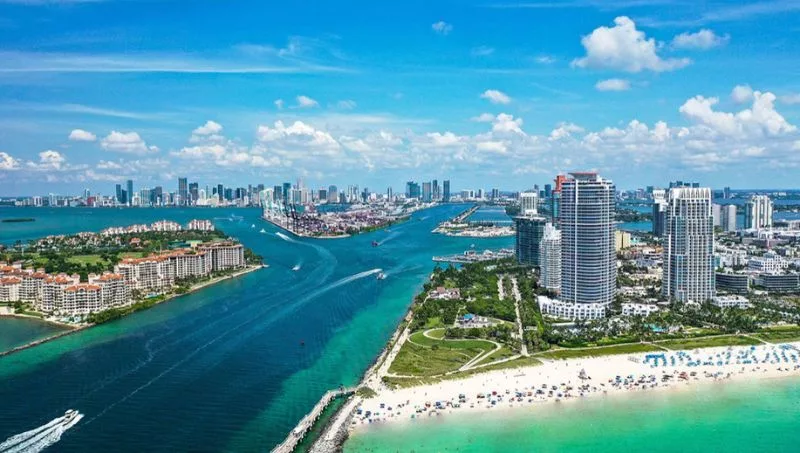
This guide will show you the best times to visit Miami and Florida based on each of these factors.
Events:
Miami is known for its annual events, such as Art Basel, the Miami International Boat Show, and Miami Fashion Week. Art Basel is one of the world's most important art fairs and attracts collectors from around the world. The event takes place in December and is an ideal time to visit Miami. The Miami International Boat Show, held in February, is another popular event in Miami that attracts boat and watersports enthusiasts. Miami Fashion Week, held in May, is another significant event for fashion lovers. For electronic music fans, the Ultra Music Festival, held in March, is a must-attend event.
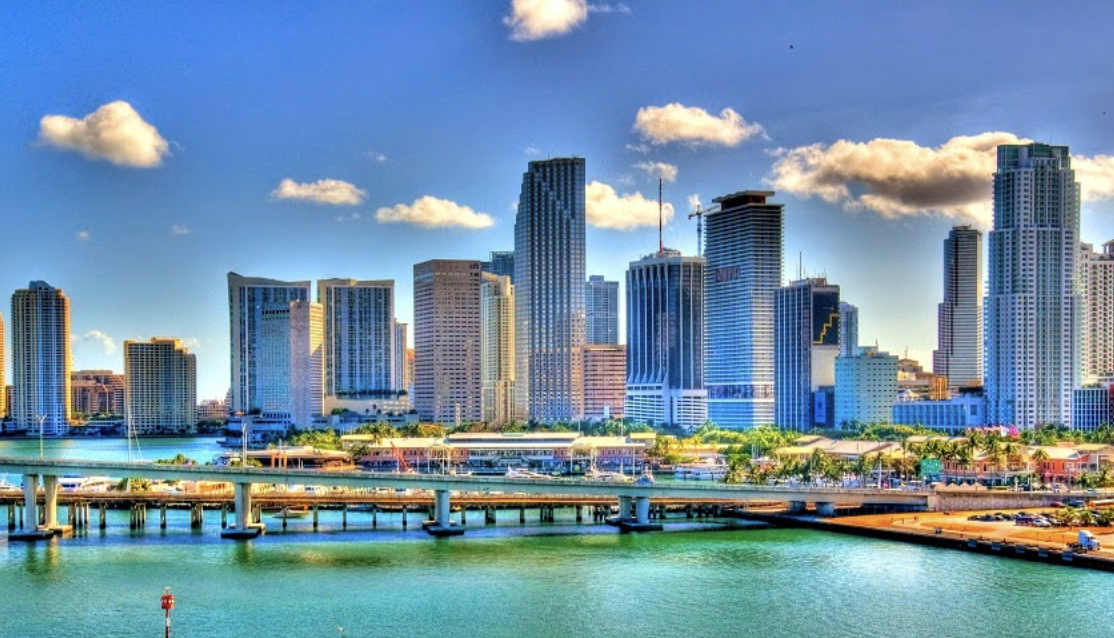
In terms of events, Miami has a series of popular festivals that attract visitors from around the world. The Miami Carnival, held in February, is one of the world's largest and features a week full of events that include parades, dances, and live music. There is also the Ultra Music Festival, held in March, which is one of the world's largest electronic music festivals. If you are a food lover, do not miss the South Beach Wine and Food Festival, held in February, which offers tastings from some of Miami's and the world's best chefs.
The schedule of music shows is becoming more extensive, with practically every week important for seeing your favorite artists. On the corporate and technological level, the April to June agenda is very strong, followed by September to November.
Sports:
Polo, the Tennis Open, and F1 are concentrated between April and May, but now football begins to have an agenda throughout the year, and there are golf, marina, motorcycle, car, basketball, baseball, and American football events throughout the year.

Weather:
Miami has a warm and humid climate all year round, but the best time to visit is during the winter months, from December to February. The days are warm and sunny, with average temperatures of around 25°C, making it perfect for enjoying the beach and other outdoor activities. During the summer, from June to August, temperatures can reach 35°C. If you love the heat, this is your best time. However, we recommend visiting Miami to enjoy it super quietly from November to May.

Shopping:
Miami is a paradise for shoppers, with a large number of shops, shopping centers, and markets. For those looking for great discounts, the best time to visit Miami is during the summer months, from June to August, when many stores offer discounts on summer clothes and other items. There are also many sales during holidays, such as Memorial Day in May and Thanksgiving Day in November.
Florida is a large state with many popular tourist destinations, and each has its best time to visit. Below are the best times to visit some of Florida's most popular tourist destinations.
Orlando:
Orlando is known for its theme parks, such as Disney World, Universal Studios, and SeaWorld. The best time to visit is during the low season, from January to March and from September to November, when the crowds are smaller, and prices are lower. However, it is important to note that some of the parks may have limited hours and attractions closed during these periods.
Tampa:
Tampa is another important city in Florida and is known for its beaches and tourist attractions. The best time to visit Tampa is from March to May, when the weather is pleasant and there are many events and festivals in the city. In addition, September and October are also good months to visit, as the crowds are smaller and prices are lower.

Miami:
Miami is known for its high-end shopping scene, with options ranging from world-renowned designer stores to discount shops. If you are an avid shopper, the best time to visit Miami is during the sales season, which runs from late May to early August. During this time, stores offer significant discounts on clothing, jewelry, shoes, and more. It is also important to note that the month of August is the Sales Month in the State of Florida, which means that all stores offer additional discounts.
In addition to the sales season, another popular time to go shopping in Miami is during the holiday season. From late November to early January, stores throughout the area are filled with festive decorations and special deals. During this time, you can also enjoy holiday events such as the Christmas light show at the Miami Zoo and the Christmas light show at the Dolphin Mall shopping center.










Tu opinión enriquece este artículo: