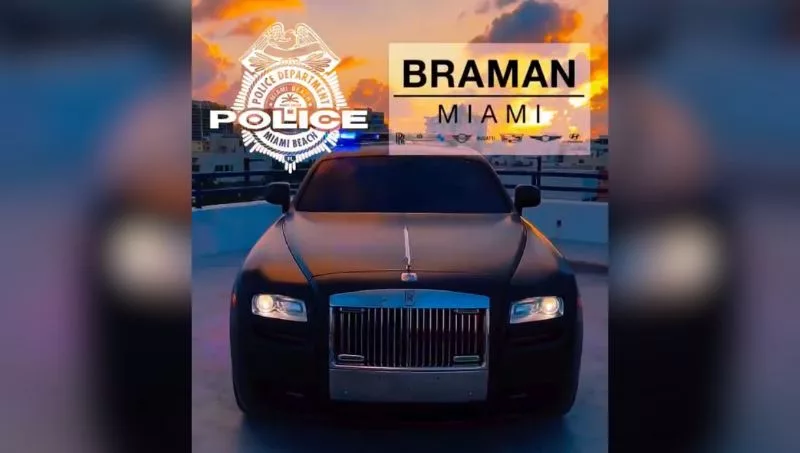
Video here.
The decision to incorporate this high-end vehicle into regular police duties has been described by Miami Beach Police Chief Wayne Jones as part of an innovative strategy to attract high-caliber candidates. "We are at the forefront. This is the best vehicle that can be obtained. Our police department is the best in the country," Jones stated.
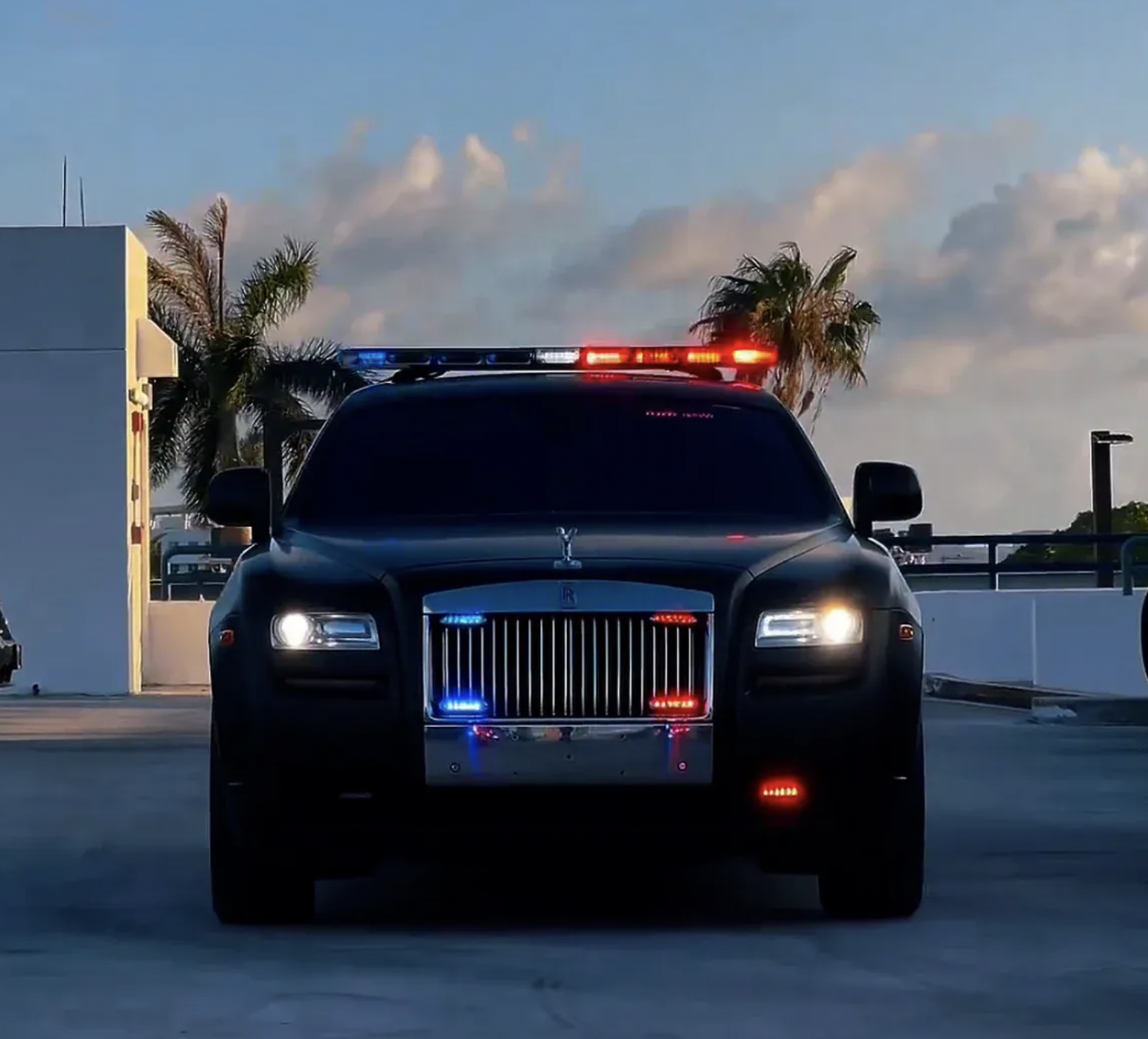
The luxurious car, a 2012 Rolls-Royce Ghost valued between $350,000 and $400,000, will not be used for everyday incident response or patrolling operations. Instead, it will primarily be utilized at events and promotional activities to generate interest in a police career.
With a unique and visionary approach, the Miami Beach Police have taken a step forward in recruiting dedicated and professional officers, setting a new standard in police recruitment. As the community reflects on this bold strategy, it becomes clear that creativity, innovation, and collaboration are key elements in building effective security forces that are representative of today's diverse society.
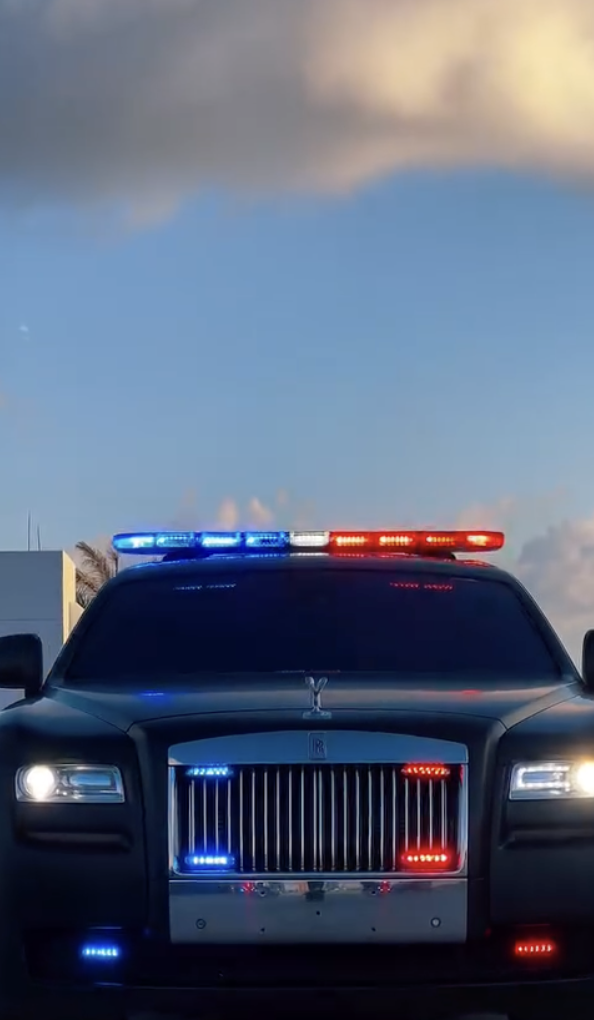
This milestone marks a turning point in the history of Miami Beach, solidifying its position as a benchmark for innovation and excellence on the international stage. The introduction of the world's first Rolls-Royce patrol car is not only an achievement for the police department but also a symbol of a community's ability to embrace creativity, boldness, and future vision in the pursuit of quality and relevant public service.
The combination of luxury, innovation, and a commitment to excellence in this recruitment strategy represents a significant step in the evolution of law enforcement in Miami Beach, establishing a new standard for applying disruptive and creative approaches to attracting police talent. This pioneering approach reflects the ability to adapt and the willingness to explore new paths in the pursuit of excellence and effectiveness in police work.
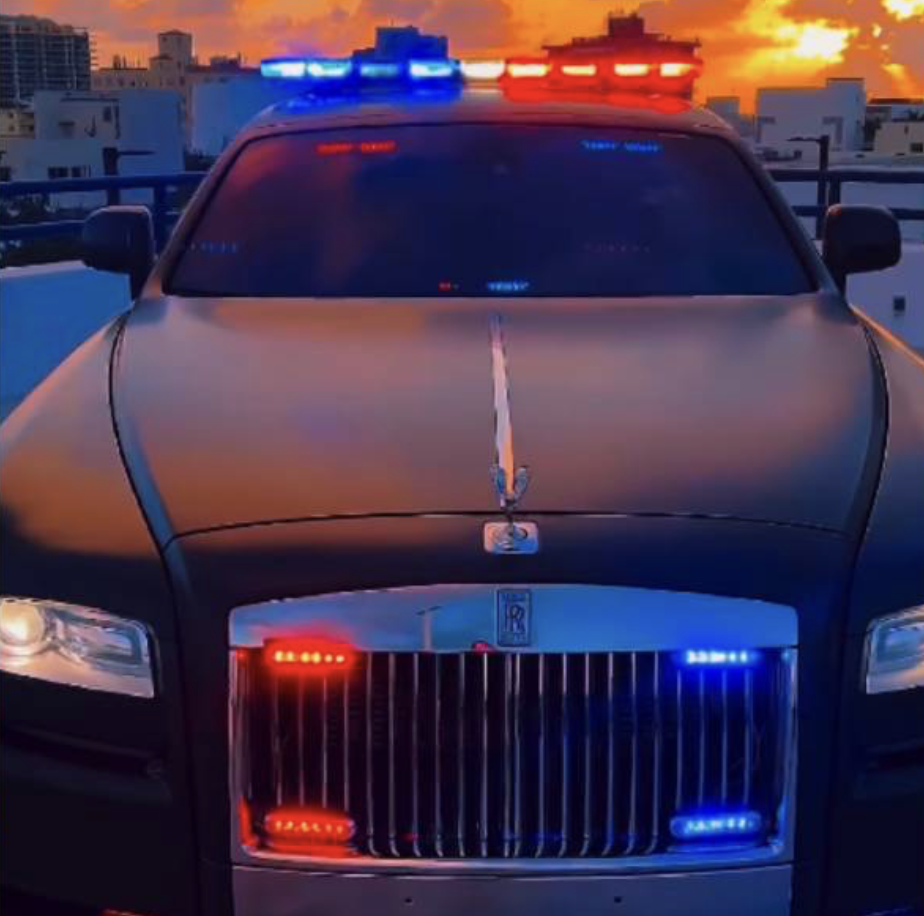
With this initiative, the Miami Beach Police have not only exceeded expectations in recruitment but have also set a precedent for future talent attraction strategies in the police sector. Creativity, innovation, and future vision have become fundamental pillars of police work in the city, demonstrating that excellence and commitment to the community can manifest in unexpected and transformative ways.
-
This initiative has been made possible through a collaboration between the police department and the Braman Motors dealership, which provided the vehicle and covered all associated costs. This partnership has allowed the Rolls-Royce to be integrated into the fleet without incurring expenses for the taxpayers of Miami Beach.
The challenge of recruiting police officers in the current context has led the department to explore unconventional methods to attract candidates. Christophe Bess, a public information officer, noted that traditional approaches are no longer sufficient and that innovation and creativity are essential to reach a broader and more diverse audience.
-
Despite transparency regarding the vehicle's funding, some citizens have expressed skepticism and concern about possible misuse of resources. However, it is important to highlight that all costs associated with the project were covered by Braman Motors, without entailing expenses for the city.
In addition to its role as a recruitment tool, this striking vehicle reflects the close relationship between Norman Braman, owner of Braman Motorcars, and the Miami community. Braman has contributed not only the Rolls-Royce patrol car but also donations of art and sponsorship of a cancer-specialized medical center.
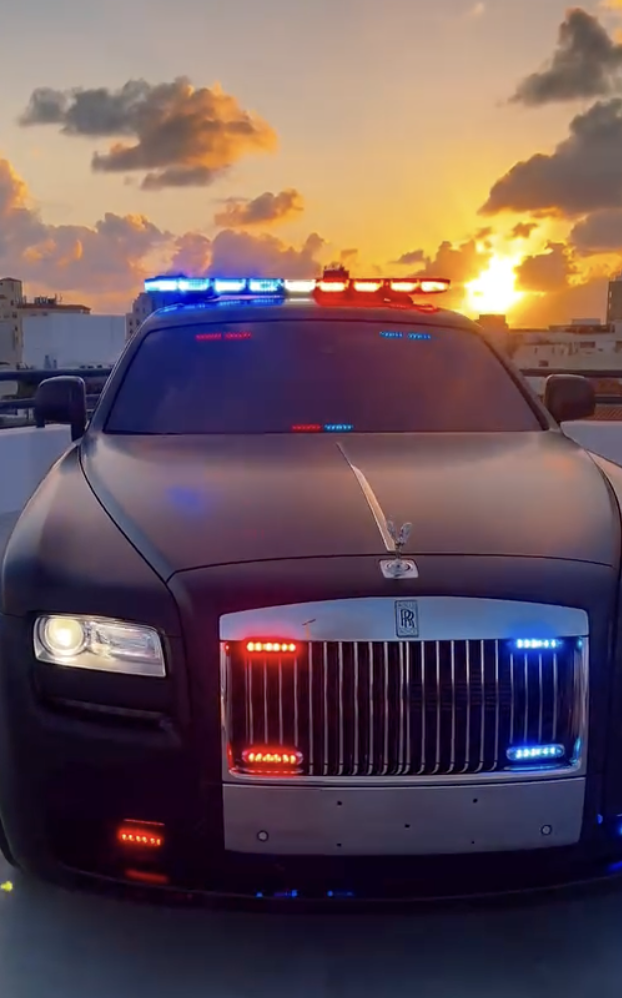
Ultimately, only time will tell whether this strategy will succeed in attracting committed and professional future police officers. However, it is undeniable that, for now, it has captured attention as the world's first Rolls-Royce patrol car in a police department. This innovative and disruptive approach marks a milestone in the history of applying neuroscience and neuromarketing in law enforcement.
Questions for reflection and further exploration:
1. How does the inclusion of a Rolls-Royce patrol car impact the recruitment strategy of the Miami Beach Police?
Answer: The inclusion of this luxury vehicle represents an innovative move to attract high-level candidates to join the police force, highlighting the department's commitment to excellence and creativity in its recruitment initiatives.
2. What role does the collaboration with Braman Motors play in integrating the Rolls-Royce into the police fleet?
Answer: The partnership with Braman Motors has been crucial for the incorporation of the vehicle without additional costs to taxpayers, demonstrating a strategic and effective approach in resource management and external alliances.
3. How does Miami Beach position itself in the international landscape of police innovation with this initiative?
Answer: With the unveiling of the world's first Rolls-Royce patrol car, Miami Beach is at the forefront of innovation in law enforcement, showing a bold and disruptive vision that challenges established conventions in the police sector.
The introduction of the world's first Rolls-Royce patrol car into the Miami Beach Police fleet represents a milestone in the history of implementing innovative and creative strategies in recruiting new officers.
This initiative, supported by strategic collaboration with Braman Motors, reflects the department's commitment to excellence, innovation, and diversity in its efforts to attract high-caliber talent to its ranks.









Tu opinión enriquece este artículo: