
What economic and migration impacts will Latin America face following the anticipated and logical “exit” of Maduro?
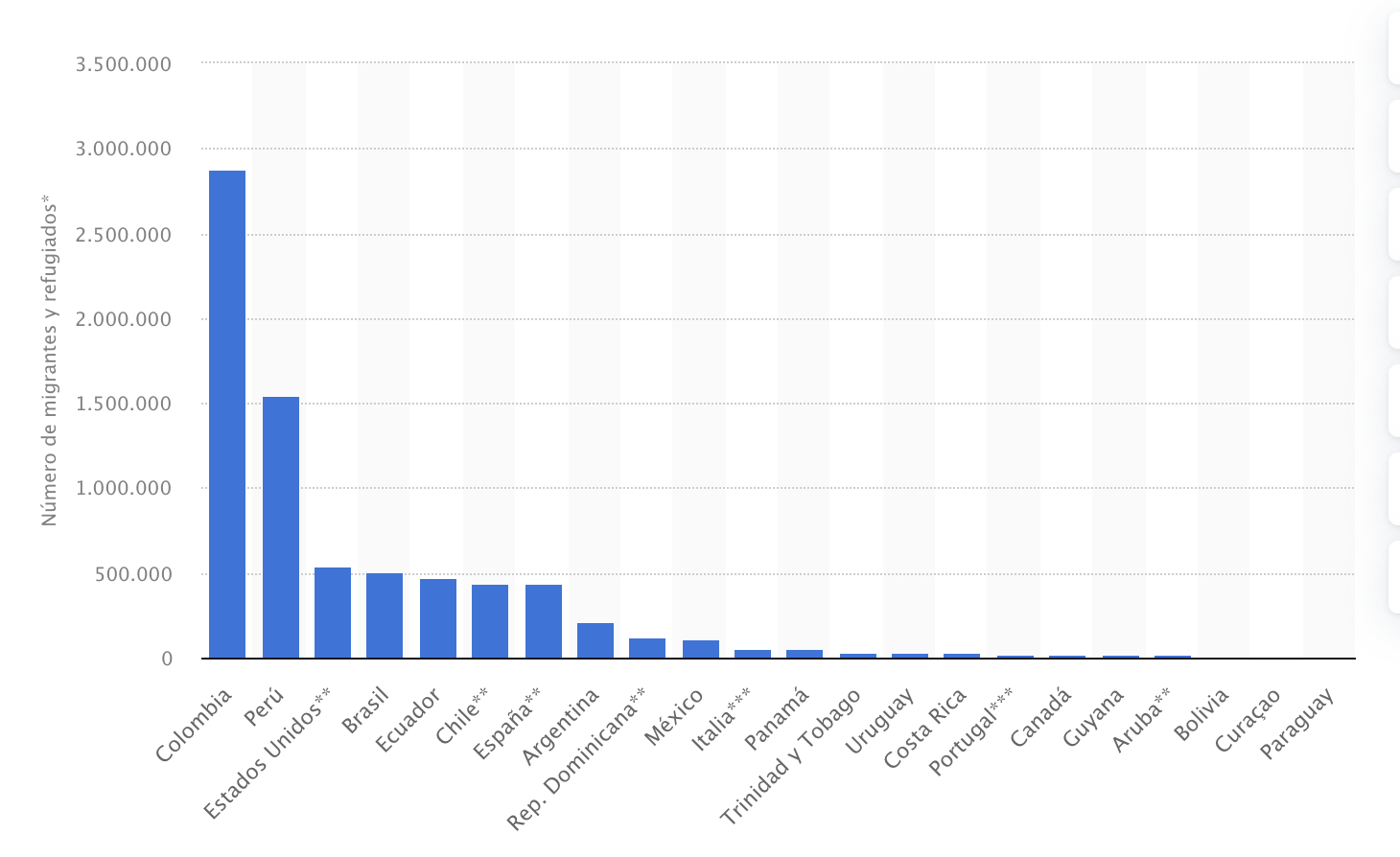
Let’s break down the consequences in terms of labor, services, and the economy.
United States
Decrease in Migrant Population: The return of Venezuelans could lower the migrant population in the U.S., particularly in communities where Venezuelan numbers have surged. This might ease some labor market tensions in sectors where Venezuelans have been vital, like construction and services. It could also open doors for increased migration from other countries, like Argentina.
Labor Market Effects: As some migrants head back home, there might be slight upward pressure on wages in certain sectors. However, the robust and diverse U.S. economy could cushion these effects. On the flip side, labor shortages in some areas might ramp up demand for workers in other sectors.
Remittances: The return of Venezuelans could lead to a decline in remittances sent back home, impacting many families who rely on these funds. This could have ripple effects on consumption and local economies in communities that have benefited from these remittances.
Brazil
Labor Market Impact: Brazil has been a major destination for Venezuelan migrants. Their return might intensify competition for jobs in an already challenging labor market. Yet, since many Venezuelans have filled roles in sectors facing labor shortages, this could balance out the overall impact.
Integration Policies: The Brazilian government has enacted policies to integrate migrants, and their return may necessitate adjustments to these strategies. Addressing the needs of those who choose to stay could be crucial to avoiding social tensions.
Economic Effects: A mass return could free up resources and opportunities in Brazil, allowing locals to fill jobs previously held by Venezuelans, potentially spurring economic recovery in certain areas.
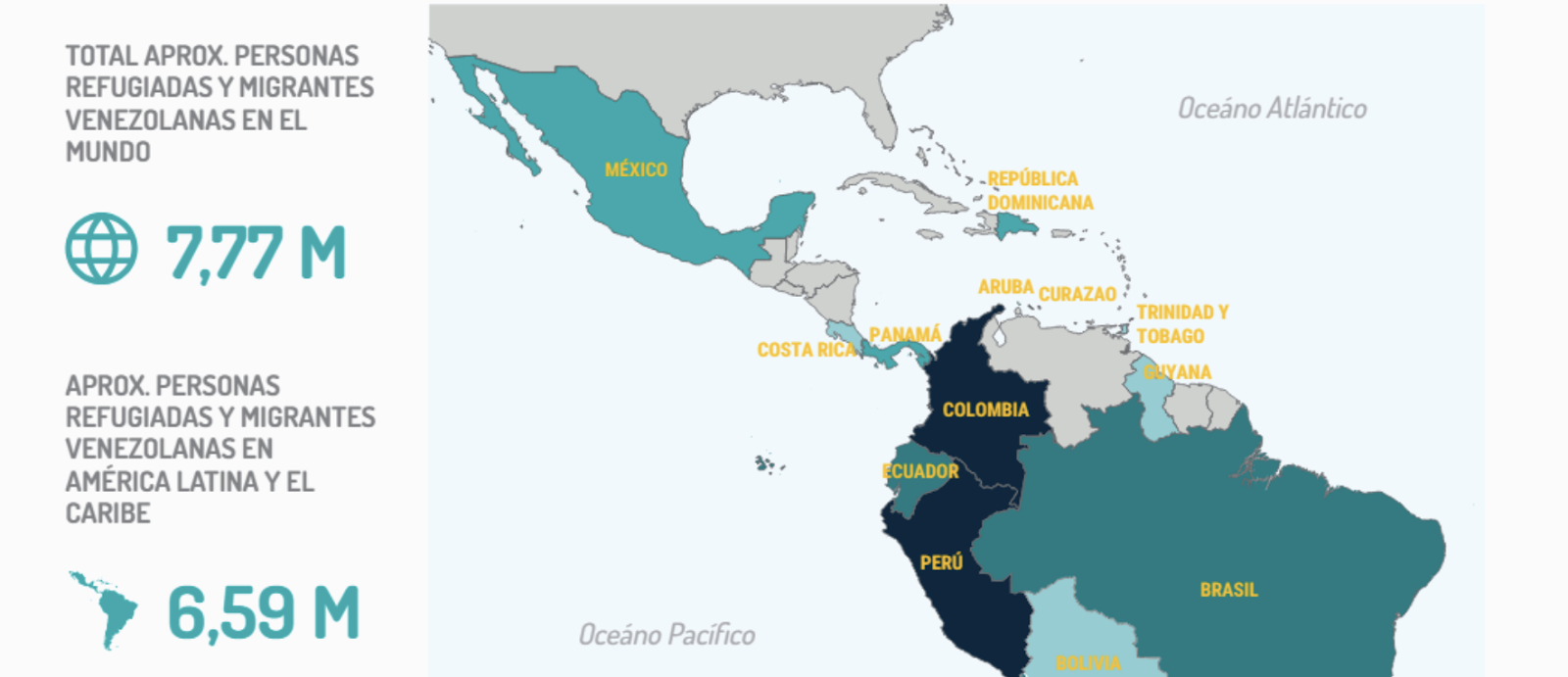
Colombia (similar dynamics in Peru)
Repatriation and Resources: Colombia has hosted millions of Venezuelans, and their return could relieve stress on public services and infrastructure. It may also enable the Colombian government to redirect resources toward its own citizens.
Labor Market Dynamics: The departure of Venezuelans could affect labor availability in sectors where they’ve been essential, like agriculture and commerce. While this may create job openings, it could also provide opportunities for Colombians to step into those roles. However, both Colombia and Peru stand to lose millions of highly skilled workers, potentially driving up demand, costs, and inflation, particularly in Colombia. Yet, if managed well and with proper education, this could also become a significant source of growth for Colombian labor.
Remittances: Like in other countries, a drop in remittances sent from Colombia to Venezuela could impact families relying on these funds, indirectly affecting the Colombian economy, especially in border regions.
Conclusion:
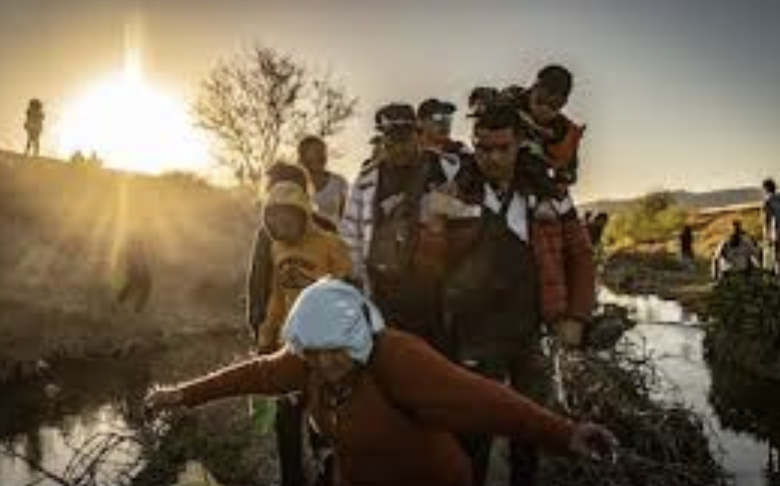
The return of Venezuelans to their country after Maduro's fall will profoundly impact the U.S., Brazil, and Colombia. While some sectors may benefit from reduced competition for jobs, others could face challenges regarding labor availability and shifting economic dynamics. Adapting migration and economic policies will be crucial to navigating these changes and ensuring that both returning migrants and those remaining in their host countries can thrive in an evolving landscape.
Maximiliano Mauvecin
In an upcoming piece, we’ll dive deeper into the broader economic impacts on Anglolatin America—what would happen to tourism across the Americas if Venezuela exits the current regime?


IG: @infonegociosmiami


IG: @infonegociosmiami











Tu opinión enriquece este artículo: