Historic encounter shaping international agenda: Presidents of Argentina and Italy strengthen ties in Rome (Why is this visit so important for both countries?)

(By Taylor and Maqueda) Argentina, a Country as Italian as the USA. Argentine President Javier Milei concluded his visit to Rome with a series of landmark meetings, strengthening the bilateral relationship between Argentina and Italy, two countries united by their shared migratory history. The highlight of his agenda was his meeting with Italian President Sergio Mattarella at the Palazzo del Quirinale, where both parties agreed to initiate a new phase in bilateral ties and signal confidence for investments.

Prior to this meeting, Milei met with Italian Prime Minister Giorgia Meloni at the Palazzo Chigi, deepening the bilateral relationship between both countries and developing a joint work agenda.
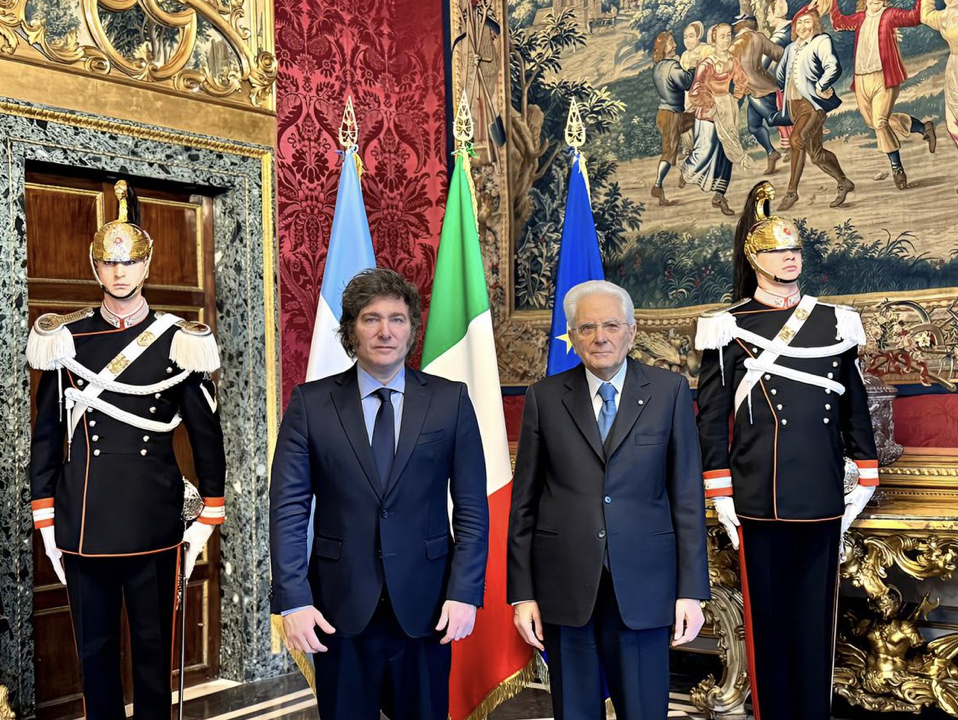
"The close relationship between Argentina and Italy, as sister nations with very active geopolitical and economic ties, not only strengthens bilateral cooperation but also promotes prosperity and mutual development in an increasingly interdependent world."

Argentina: A Very Italian Country

During the 20th century, Argentina experienced a significant wave of Italian immigration, which contributed significantly to the country's demographic composition. Approximately between 1870 and 1920, around 2 million Italians arrived in Argentina. After World War II, there was a major migratory flow of Italians to Argentina. It is estimated that between 1946 and 1960, around 300,000 Italians emigrated to Argentina. This post-war period was a time of intense migration from Italy to various countries, including Argentina, as a result of the economic and social devastation Italy experienced after the conflict. Many Italians sought economic opportunities and a better quality of life in Argentina and other countries in the Americas.

This represented approximately 47.5% of all immigrants who arrived in the country during that period. In terms of descendants of Italians in Argentina, it is estimated that around 28% of the Argentine population has Italian ancestry. This percentage varies in different regions of the country, being higher in some areas, especially in urban areas and in certain provinces where Italian immigration was more concentrated. Descendants of Italians have had a significant influence on Argentine culture, gastronomy, and society.

Argentina and Italy: Two Brotherly Nations Reconnecting

These meetings mark a milestone in the history of both nations, symbolizing a renewed commitment to strengthening cooperation and mutual understanding in various fields, from politics to economics and culture.

President Milei, accompanied by a prominent official delegation, also held a meeting with Pope Francis in the Vatican, reinforcing the spiritual and humanitarian ties between Argentina and the Vatican.

These diplomatic encounters not only consolidate the ties between Argentina and Italy but also send a powerful message to the global migrant community, reminding them of the importance of maintaining and strengthening ties with their countries of origin.
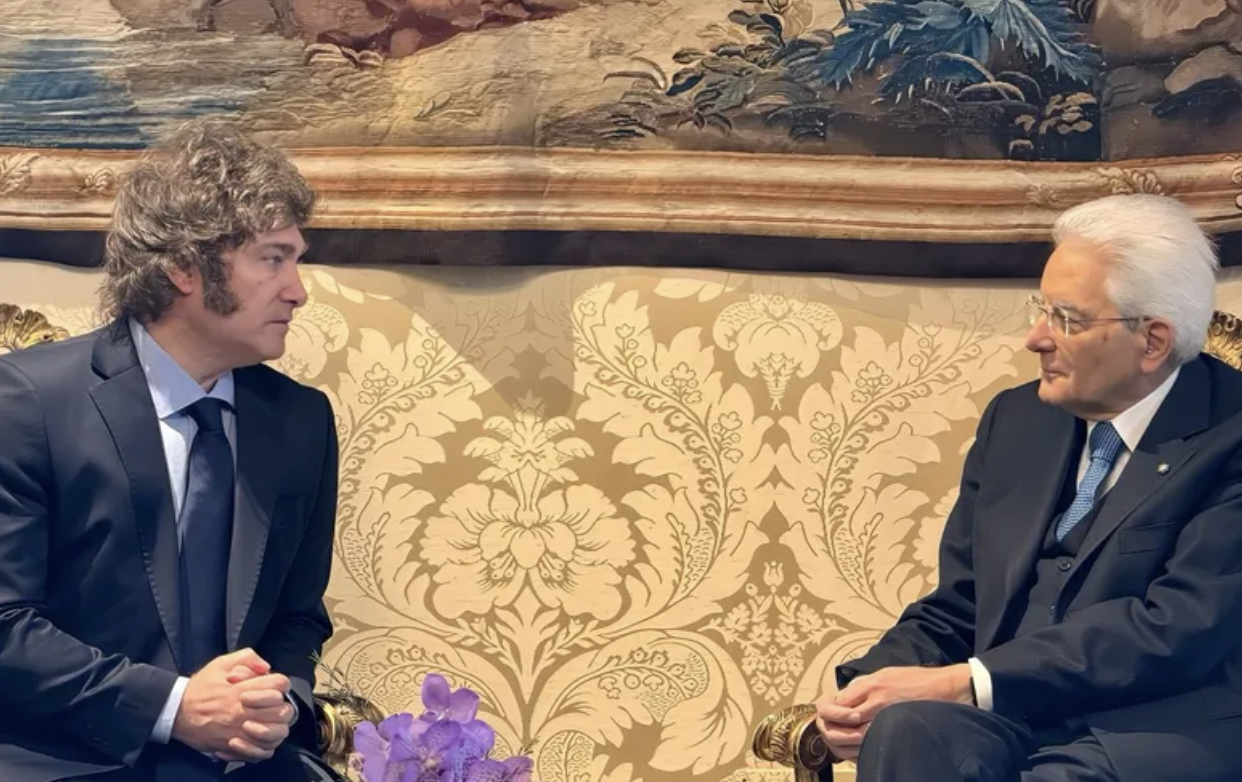
In an increasingly interconnected world, these historic meetings serve as a reminder of the richness and diversity that migration brings to societies and the importance of building bridges of understanding and collaboration between nations.

The visit of the Argentine president to Italy represents a significant moment in the history of bilateral relations between both countries and a symbol of hope and unity for the migrant community worldwide

Tu opinión enriquece este artículo:

¿Qué es la revolución del Brand Stretching? Las marcas se transforman en universos-ecosistemas culturales

(Por MBA- Maximiliano R. Otero, junto con M. Maurizio) Casos emblemáticos: Lego, Ferrari, Red Bull, Adidas, Stranger Things y F1 demuestran que el crecimiento rentable se logra expandiendo horizontes de marca a través de extensiones de estilo de vida, licencias, colaboraciones estratégicas y experiencias phygital.

(Lectura de alto valor estratégico, 4 minutos; ideal para compartir)

F1 2026: el laboratorio estratégico que comienza en Australia, ¿Qué equipos llegan mejor?

(Por Maqueda, OneF1 y Maurizio) Este fin de semana, mientras el sol sale sobre Albert Park en Melbourne, algo mucho más profundo que una carrera de autos comienza en la Fórmula 1. El Gran Premio de Australia abre la temporada 2026 del campeonato mundial y, con él, se activa el sistema de innovación más sofisticado del deporte global.

(Lectura de valor, 4 minutos de lectura, material idea para compartir)

Expansión de categorías: la única forma de generar valor y experiencias relevantes hoy

(Por MBA- Maximiliano R. Otero, junto con M. Maurizio) En el dinámico panorama empresarial actual, la expansión de categorías y la creación de modelos de negocio diversificados son esenciales para el éxito. Marcas líderes como la Fórmula 1 y Stranger Things han entendido que el futuro del marketing va más allá de los productos individuales; se basa en la creación de un universo de experiencias que resuenan profundamente con los consumidores. 

(Lectura de alto valor estratégico, 4 minutos; ideal para compartir)

Edición especial Apple 50 años: el modelo que el mundo post-COVID está copiando (y por qué Apple lo inventó primero, y no es “tech”)

(Por Maurizio-Rodriguez Otero & Taylor) En 2026, las marcas más vibrantes del planeta están haciendo algo que tiene nombre técnico en la literatura de management actual: expansión de la categoría. No en una línea o en un avance “literal” hacia atrás, en una total redimensión de las formas de relación marca-consumidor. Te lo explicamos. (Y no, ni es imposible, ni es solo para algunas marcas, esto es para todos y hoy). 

(Lectura de alto valor estratégico, 4 minutos; ideal para compartir y guardar)

Edición especial Apple 50 años: el secreto que Steve Jobs nunca publicó y que el Post-COVID está obligando a reescribir a toda marca

(Por Maurizio-Rodriguez Otero & Taylor) Hoy, en un mundo donde la “expansión” de la experiencia es más importante que el producto o el servicio, donde la reinterpretación nos da esta brillante definición: "La innovación no es lo que dices que haces. Es lo que la gente siente cuando te usa." — Steve Jobs, 1997.

(Lectura de alto valor estratégico, 4 minutos; ideal para compartir y guardar)