
Mié 27/11/2024
Miami Fashion Week 2024: A Spectacle of Style and Creativity Positioning the Magic City as a Fashion Capital
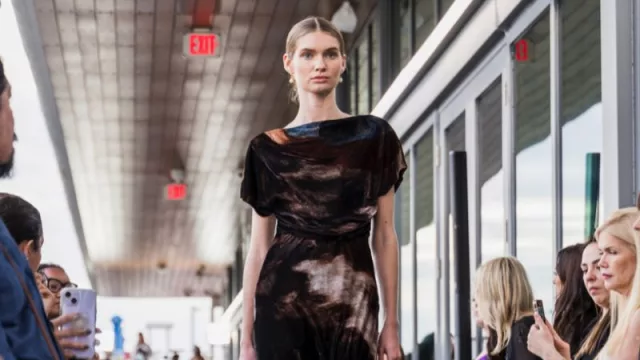
(By Maqueda) The November 2024 edition of Miami Fashion Week® (MIAFW) has indelibly marked the vibrant landscape of fashion. This event not only celebrated the creativity of iconic designers such as Philipp Plein, Lafayette 148 NY, and Giannina Azar, but also underscored Miami's role as a culturally significant international hub. In a context where fashion intertwines with sustainability and emerging trends, MIAFW stands as a beacon of innovation and style.












(By Maqueda) The November 2024 edition of Miami Fashion Week® (MIAFW) has indelibly marked the vibrant landscape of fashion. This event not only celebrated the creativity of iconic designers such as Philipp Plein, Lafayette 148 NY, and Giannina Azar, but also underscored Miami's role as a culturally significant international hub. In a context where fashion intertwines with sustainability and emerging trends, MIAFW stands as a beacon of innovation and style.